
As parents, we all want our children to grow up kind, responsible, and respectful. Yet teaching these values consistently in a busy world can be challenging. Enter good habits stories; a timeless, engaging, and highly effective way to nurture positive behaviour in children. Storytelling is not just fun; it is a powerful tool to instil habits that last a lifetime.
Why Storytelling Using Good Habits Books Works Wonders for Children
Children are natural learners, absorbing information quickly from the world around them. Stories captivate their imagination; they help children understand abstract concepts like honesty, patience, and empathy in a way that lectures simply cannot.
When a child listens to stories about good habits, they do not just hear a moral; they experience it through the characters. This emotional connection makes it easier for them to remember lessons and apply them in real life. For example, a tale about a kind-hearted child sharing their toys encourages your child to emulate that behaviour naturally.
Moreover, good bedtime stories can create a strong bond between parent and child; making habit-building a collaborative and enjoyable process rather than a chore. For more tips on nurturing children, explore our parenting tips and guides.
Key Lessons Children Learn from Good Habits Stories
Stories have a unique way of strengthening everyday good habits. Here are a few key lessons parents can reinforce through storytelling:
Good habits stories for kids
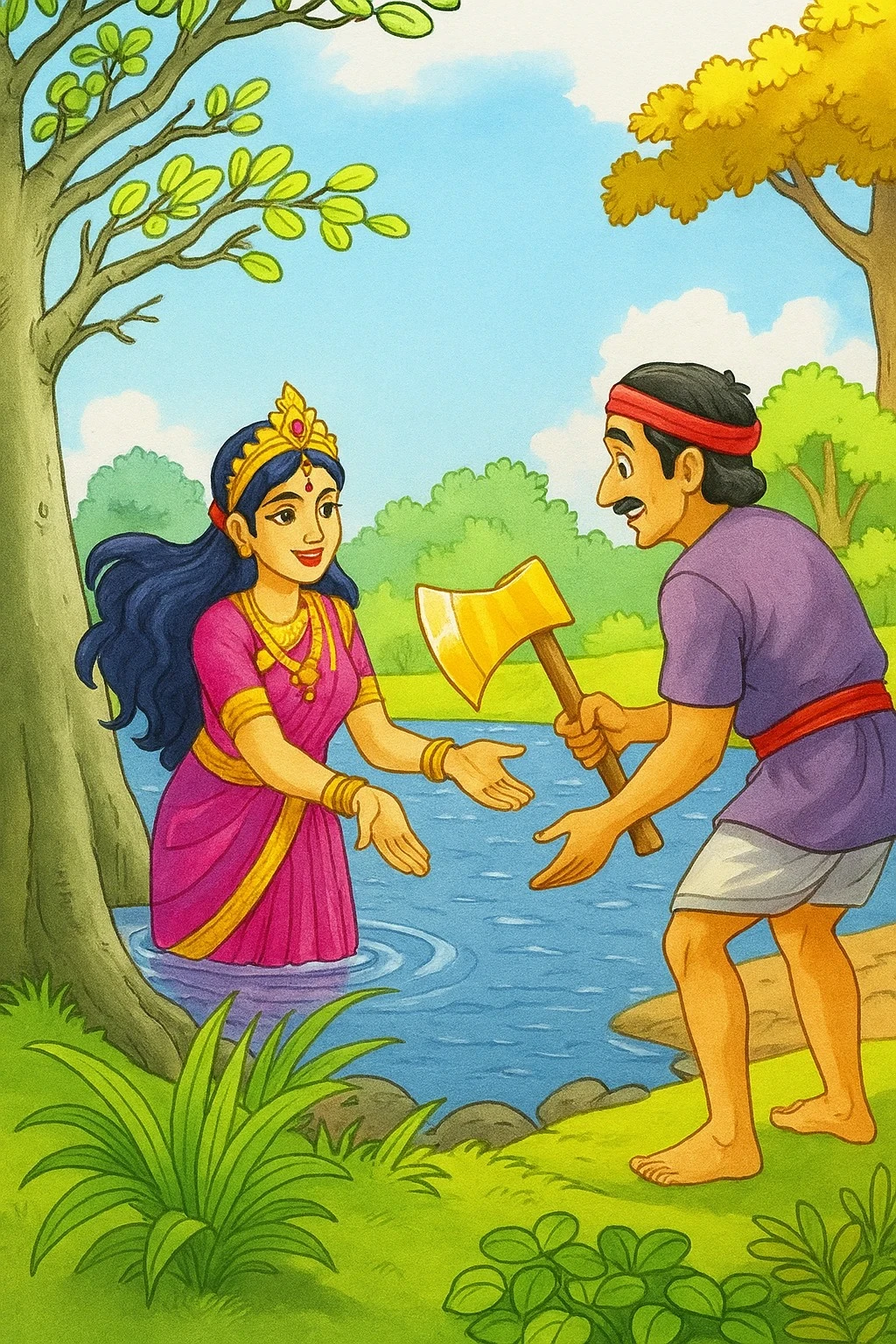
- Honesty: Classic tales such as 'The Honest Woodcutter' teach children that telling the truth always pays off. The story shows how a humble woodcutter's honesty is rewarded, highlighting integrity as a valuable trait.
- Kindness and Empathy: In 'The Lion and the Mouse', a small mouse helps a mighty lion, proving that acts of kindness, no matter how small, make a difference. Children learn that empathy and helping others is a sign of strength, not weakness. Learn more about teaching children social skills here.
- Responsibility: Stories such as 'The Ant and the Grasshopper' emphasise planning and diligence. Children understand that taking responsibility today ensures comfort and security tomorrow.
- Sharing and Cooperation: Tales about friendship and teamwork demonstrate how sharing resources and working together can achieve great results. These lessons are ideal for teaching social skills alongside good habits.
For authoritative support on early childhood learning, see UNICEF – Early Childhood Development.
How Parents Can Make the Most of Storytelling
To turn storytime into a habit-building exercise, parents can follow a few simple strategies:
- Choose age-appropriate stories: For younger children, short stories on good habits for kindergarten are ideal; older children can handle longer tales that explore more complex scenarios.
- Discuss the story afterwards: Ask questions such as, 'What would you have done if you were the character?' or 'Why was it important that the mouse helped the lion?' This encourages reflection and application of the lesson.
- Relate stories to daily life: Point out moments in real life where your child can practise the habit they learned in the story. For example, after reading about sharing, encourage your child to share their snack with a sibling or friend.
- Make it a routine: Consistency is key. Reading good bedtime stories daily reinforces positive behaviours over time, making them part of your child’s natural routine.

Good habits stories for children
Examples of Good Habits Stories
Here are some stories about good habits that parents love using to teach values:
- 'The Thirsty Crow' teaches problem-solving and resourcefulness
- 'The Honest Woodcutter' reinforces honesty and integrity
- 'The Lion and the Mouse' highlights kindness and empathy
- 'The Ant and the Grasshopper' promotes responsibility and planning
- 'Sharing is Caring': modern storybooks that encourage generosity and cooperation
Target Learning Ventures offers a range of good habits books for children that include these types of stories.
Recommended Good Habits Books for Kids
For parents looking to build a small library of positive stories, here are some excellent options:
- Target Learning Ventures; My First 1000 Words + Good Habits Series; simple, engaging stories that combine habit-building with early learning
- Target Learning Ventures’ Panchatantra Story Book features timeless tales that teach children responsibility and focus.
- 365 Bedtime Stories; offers daily storytelling opportunities, reinforcing good behaviour throughout the year
- Target Learning Ventures' Good Habits Learning Chart offers vibrant, illustrated reminders of essential habits, making it an ideal visual tool to reinforce the lessons from these stories.
By mixing modern, activity-based good habits moral stories with timeless moral tales, parents can create a balanced reading plan that keeps children engaged while teaching essential life skills.
Making Storytime Meaningful
- Interactive storytelling: Encourage your child to predict what happens next or act out parts of the story
- Use visuals: Use picture books or illustrated stories to make lessons more memorable
- Celebrate habit victories: Celebrate progress when your child demonstrates a habit learned from a story, celebrate it; this reinforces the connection between storytime and real-life behaviour
Conclusion
Good habits do not develop overnight, but stories provide a gentle, enjoyable way to guide children towards positive behaviour. From honesty to kindness and responsibility, every tale becomes a stepping stone in their character-building journey.
Start incorporating good habits stories in English or your child’s preferred language into daily routines and watch how these small moments of storytelling leave a lasting impact. Your bedtime story sessions can transform from simple entertainment into powerful life lessons your child will carry forever.
Make storytime a daily ritual, choose stories with meaningful morals, and watch your child blossom into a kind, responsible, and thoughtful individual.
FAQs About Good Habits Stories
1. How can stories help kids develop daily good habits?
Ans: Stories engage a child’s imagination and emotions; they illustrate behaviours like honesty, kindness, and sharing in a memorable way. By reflecting on characters’ actions, children learn how to practise these habits in daily life.
2. Which good habits should children learn through stories?
Ans: Core habits include honesty, empathy, responsibility, sharing, patience, and cooperation. Stories also help teach manners, punctuality, and problem-solving.
3. Are there short stories for kids that teach honesty and kindness?
Ans: Yes; classic tales like 'The Honest Woodcutter' and 'The Lion and the Mouse' are perfect examples. Modern collections often feature short, relatable stories suitable for daily reading.
4. How can parents use storytelling to encourage healthy habits?
Ans: Make storytime interactive; discuss the story, relate it to real-life situations and encourage your child to practise the habits demonstrated by the characters. Consistency is key.
5. What are some bedtime stories that promote good behaviour in kids?
Ans: Good habits, bedtime stories from Target Learning Ventures or popular books like '365 Bedtime Stories' help instil honesty, kindness, and responsibility while making storytime enjoyable.
6. Which stories are suitable for preschoolers to learn manners?
Ans: Short, simple tales such as 'Sharing is Caring' or picture books focused on polite behaviour are ideal. They capture attention while teaching essential manners.
7. How often should parents read stories about good habits to kids?
Ans: Daily reading, even 10–15 minutes at bedtime, is highly effective; it creates a routine and reinforces positive behaviours over time.