
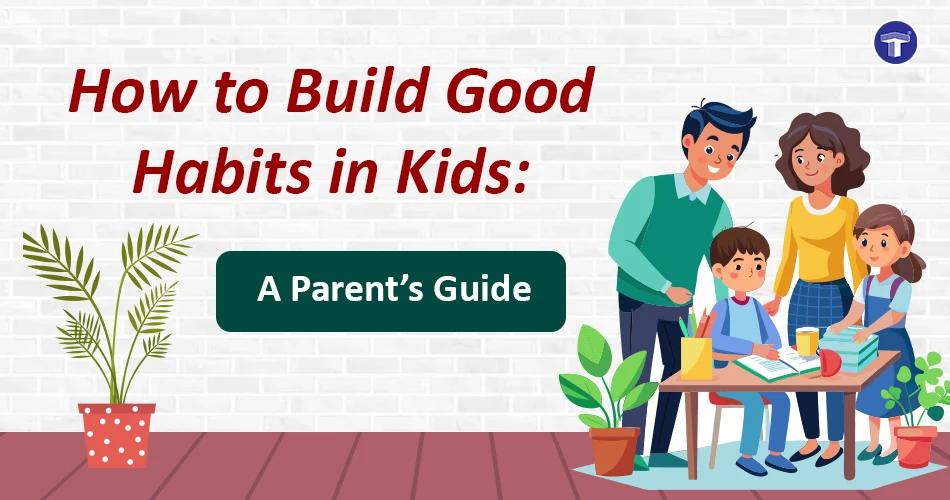
The early years of a child’s life are full of rapid growth, imitation, and tiny daily discoveries. What may look like small routines to us often become lifelong habits for them. This is why understanding how to build good habits in kids from an early age is essential.
Toddlers thrive on repetition and structure. When daily routines are consistent, children feel secure, confident, and more cooperative. Building good habits in kids is not about strict rules. It’s about creating systems that shape behaviour naturally and gently over time.
Simple Daily Habits That Help Build Routine in Kids
If you are wondering how to build good habits in kids without constant reminders, start small. Simple daily habits create rhythm in a toddler’s life and reduce daily struggles.
1. Morning Routine Habits
-
Wake up and freshen up independently
Train your toddler to brush their teeth and wash their hands at specific times of the day, such as after meals or before bedtime, so the habit becomes part of their daily routine. It will help build personal hygiene habits and strengthen independence. Using Good Habits Learning Chart or simple routine cards can also make mornings smoother and more predictable.
-
Starting with small choices
Allow your child to make small decisions like choosing between two outfits. This habit encourages self-dependence.
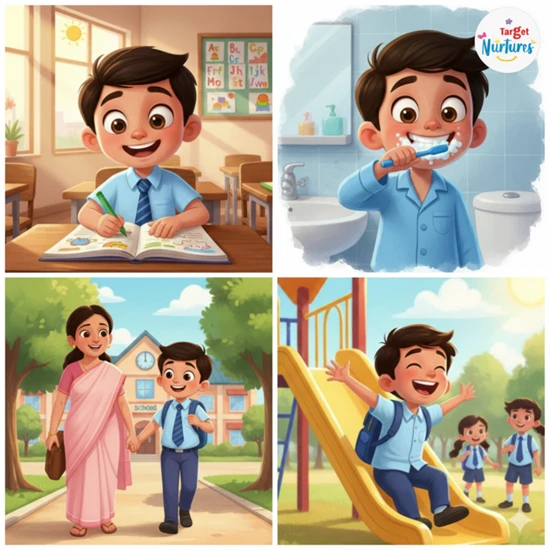
A child enjoying while performing routine activities
2. Healthy Eating Habits
-
Fixed meal and snack timing
Keeping consistent meal-times supports discipline and reduces random snacking in young children. Kids feel more secure when they know when the next meal is coming.
-
Involving them in small kitchen tasks
Let your child rinse vegetables or arrange fruits on a plate. Participation creates ownership and encourages healthy eating habits naturally.
3. Clean-up habits after play
-
Toy tidy-up time
Set a fixed clean-up time after play. Turning it into a short game or singing a clean-up song helps toddlers associate responsibility with fun.
-
One activity at a time
Encourage children to complete one activity before they move on to the next. This helps them stay focused and reduces the chances of feeling overwhelmed.
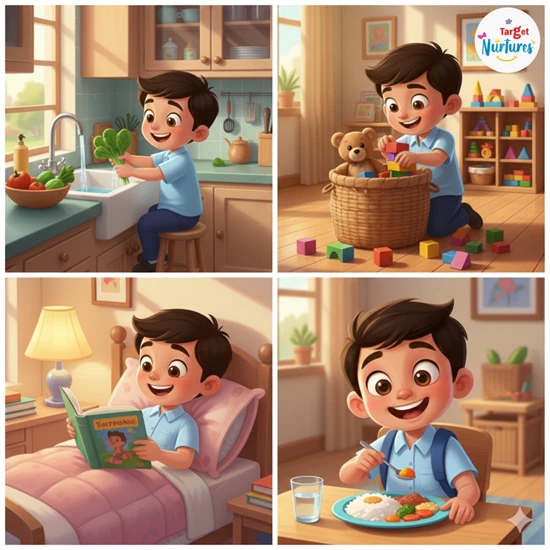
A child happily building good habits
4. Learning and Quiet Time Habits
-
Daily reading habit
Even ten to fifteen minutes of reading each day can help build attention span and vocabulary in young kids. Choosing engaging Activity Books and Pre-Primary Learning Resources can make reading time interactive and enjoyable.
5. Bedtime Routine Habits
-
Consistent sleep schedule
Toddlers function better when bedtime happens at the same hour every night. A predictable sleep routine improves emotional balance and reduces tantrums in children.
-
One Good Thing Before Bed
Encourage your toddler to share one good thing about their day each night. This builds emotional awareness and positive thinking patterns early.
These daily habits for kids may seem small, but over time, they shape behaviour in powerful ways.
Common Mistakes Parents Make While Building Habits
Even well-meaning parents sometimes make habit-building harder than it needs to be.
- Expecting immediate perfection: Habits develop through repetition. Progress may be slow, but it is steady.
- Introducing too many changes together: Focus on one habit at a time, such as bedtime or healthy eating, before adding another routine.
- Being inconsistent with follow-through: If routines change daily, toddlers struggle to adapt. Predictability supports better behaviour in kids.
Building good habits in kids is a journey. Gentle structure always works better than pressure.
Conclusion
Building good habits in kids does not require strict discipline or complicated systems. It begins with simple daily routines practised consistently and patiently.
As a child’s parent, your calm guidance matters more than perfection. When habits are built through encouragement, routine, and small responsibilities, children naturally grow into confident and independent individuals.
Frequently Asked Questions (FAQs)
1. How early can I start building good habits in kids?
Ans: Habit building can begin as early as toddlerhood. Simple routines like brushing teeth, cleaning toys, and following a bedtime schedule help young children develop responsibility gradually.
2. What are the most important daily habits for kids?
Ans: Personal hygiene, sleep routines, cleaning up after play, regular meal timings, and daily reading are foundational habits that support early learning development in children.
3. Why does my child forget routines easily?
Ans: Children are still developing memory and self-regulation. Repetition, visual reminders, and simple structured routines help habits become permanent over time.
4. Can learning tools help in building good habits?
Ans: Yes. Structured Learning Kits and Early Learning Resources, when used consistently, can support focus, routine, and independent engagement in children.