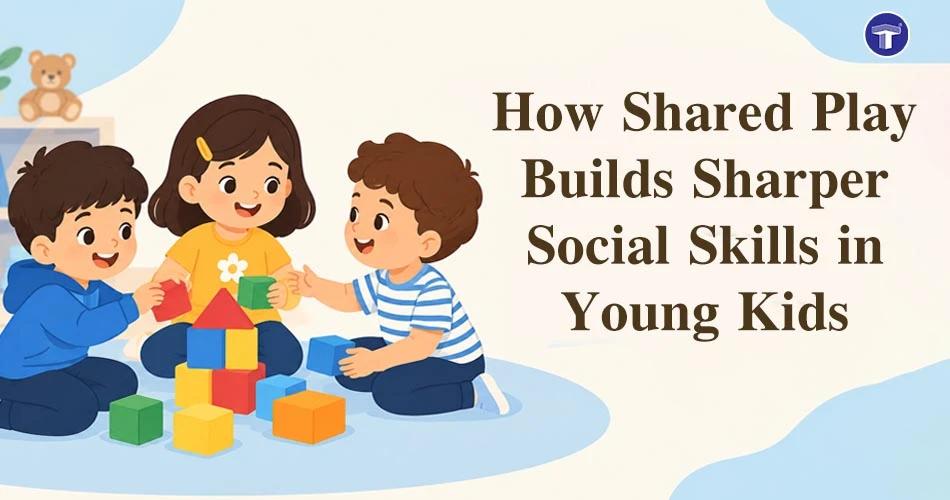

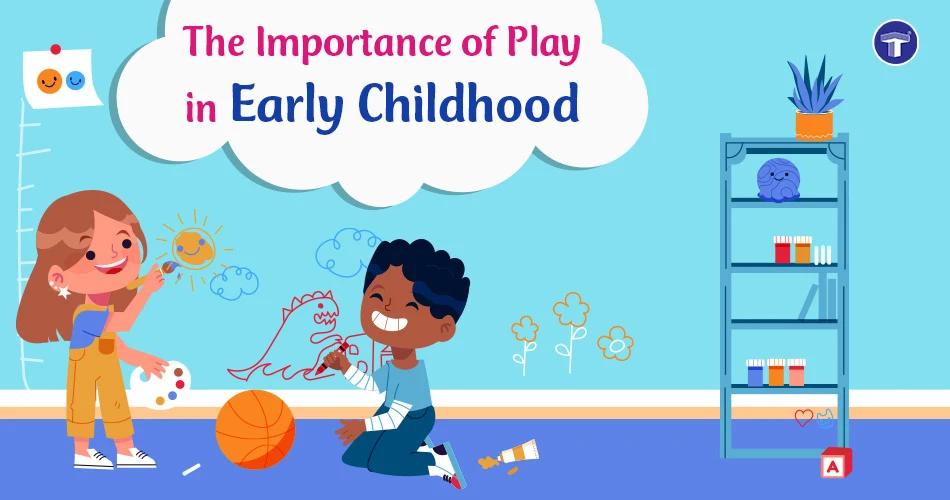
Play often looks simple from the outside, scattered toys, laughter, and endless energy. But for young children, play is serious work. It is how kids explore the world, understand emotions, build relationships, and learn essential life skills long before formal learning begins.
Understanding the importance of play in early childhood helps parents see everyday playtime as meaningful learning. When children are allowed to play freely and purposefully, they grow in ways that feel natural, joyful, and pressure-free.
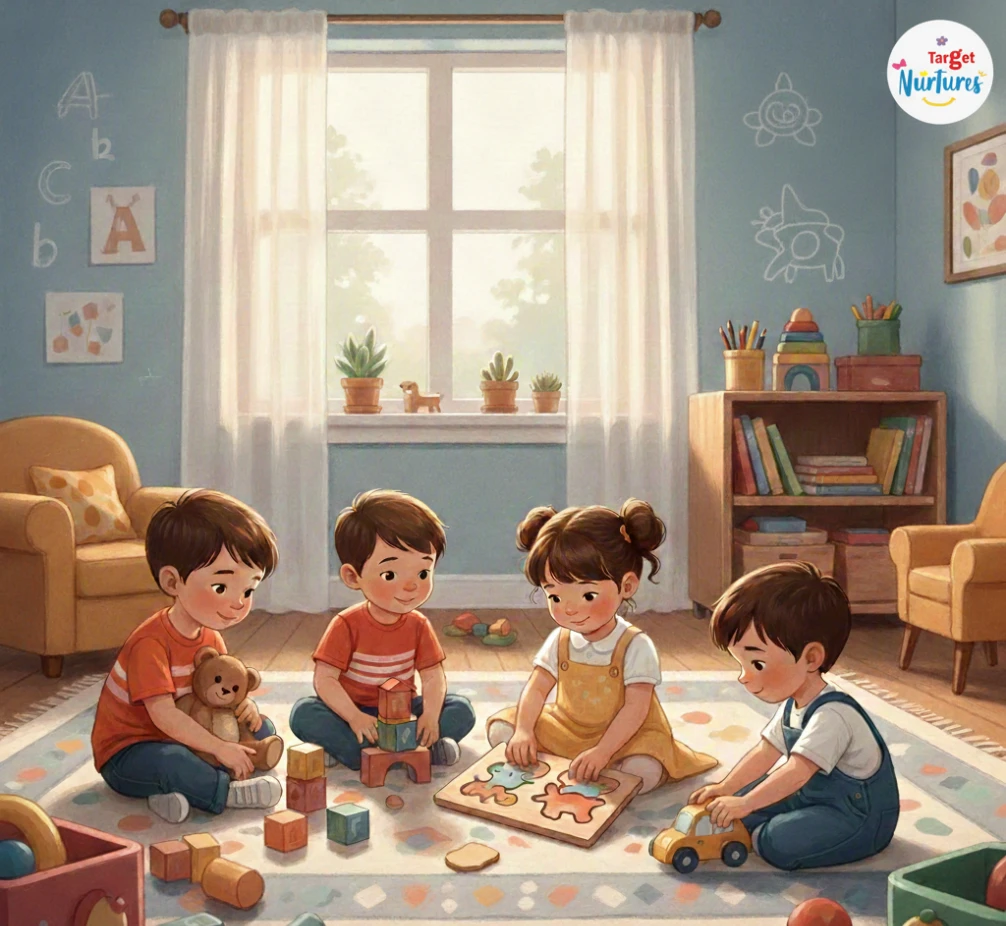
Children learning and bonding through play
What Does ‘Play’ Really Mean for Young Children?
Play in early childhood is not limited to toys or games. It includes any activity where a kid is actively exploring, imagining, moving, or interacting.
- Free play allows children to perform activities based on curiosity and interest, helping them develop independence.
- Guided play involves gentle parental support, where learning goals can be blended into playful moments.
- Everyday play happens during routine activities like drawing, building, pretending, or storytelling.
These forms of play together support early childhood development in a balanced and natural way.
The Importance of Play in Early Childhood and Development
Play supports multiple areas of development at once. Below are the key reasons why play is essential for young children, against the stereotypical view that play distracts kids.
1. Supports brain development
Play strengthens neural connections by encouraging thinking, problem-solving capabilities, and imagination in children. These experiences help a kid’s brain grow in flexible and adaptive ways.
2. Builds social and emotional skills
Through play, children learn to share, take turns, express feelings, and understand others. This helps in building emotional regulation and empathy in early years.
3. Improves language and communication
Talking during play, pretending, and storytelling naturally build vocabulary and sentence formation in kids, without formal instruction.
4. Encourages physical development
Running, climbing, jumping, and drawing improve both gross motor and fine motor skills of children, essential for daily activities.
5. Develops focus and attention
Engaging play helps children stay with one activity for longer periods, supporting attention span and task completion. This directly helps in a child’s brain development journey.
6. Boosts confidence and independence
When children make choices during play, they gain a sense of control and belief in their abilities, gathering a sense of what’s right and what’s wrong.
These benefits together explain why play-based learning is so strongly recommended in early childhood education.
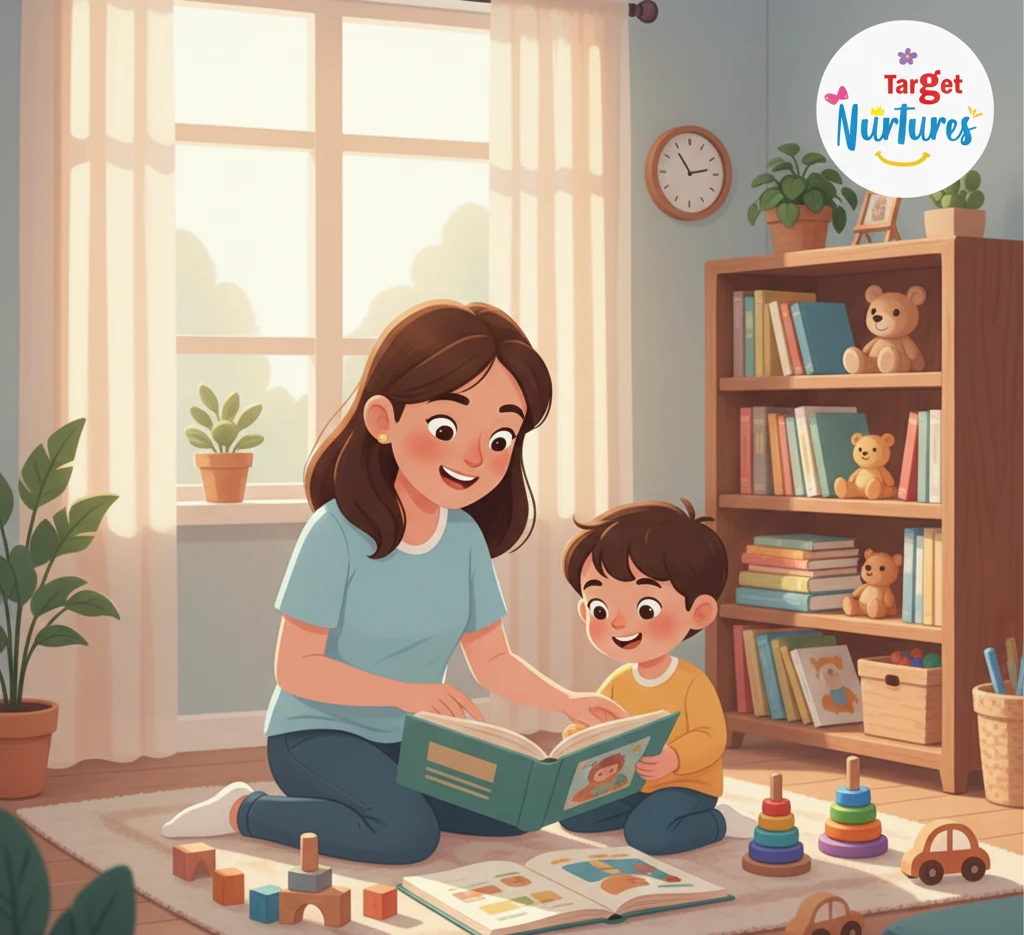
Meaningful playtime at home with parents
Creative Ways to Make Play Meaningful at Home
Parents do not need elaborate setups to support meaningful play. Small, intentional changes can make everyday play more enriching.
- Rotate toys instead of adding more: Fewer options encourage deeper engagement and creativity in kids’ minds.
- Follow your child’s interests: Let children lead play based on what excites them.
- Mix play with learning naturally: Counting during play, naming colours, or storytelling adds learning without pressure.
- Create screen-free play zones: Dedicated play spaces help children stay focused and present.
- Allow unstructured time: Boredom often leads to better imagination and self-initiated play in kids.
Conclusion
The importance of play in early childhood lies in how deeply it supports a child’s growth. Through play, children learn to think, communicate, move, and connect with the world around them. These early experiences shape not just learning, but emotional well-being and confidence.
Frequently Asked Questions (FAQs)
1. How much playtime does a child need each day?
Young children need several hours of play spread throughout the day. Daily playtime supports early childhood development, improves focus, and helps children learn naturally.
2. Why is play important in early childhood learning?
Play-based learning helps children develop thinking, language, and social skills. It strengthens brain development, improves attention span, and allows children to understand concepts in a stress-free and engaging way.
3. Can play replace formal learning for preschoolers?
In early childhood, play complements learning rather than replacing it. Play builds foundational skills like focus, problem-solving, and communication, which prepare children for structured learning in school.
4. What types of play are best for early childhood development?
A healthy mix of free play, creative play, physical play, and guided play supports overall early childhood development, helping children grow emotionally, socially, cognitively, and physically.
5. How can parents encourage play at home without pressure?
Parents can encourage play by offering time, simple materials, and space to explore. Letting children lead play activities helps them stay engaged and enjoy the process of learning naturally.
6. Is play-based learning suitable for all children?
Play-based learning benefits all children, as it adapts to different interests and abilities. It allows children to learn at their own pace while building confidence and essential life skills.