
‘I’m bored.’ - It’s a sentence most parents hear almost every day. When your child is bored at home, it can quickly turn into frustration, screen-time battles, or endless demands for entertainment.
But boredom is not always a problem. Sometimes, it is simply a pause before creativity begins. Knowing what to do when your child is bored at home can help you turn those restless moments into opportunities for growth, imagination, and meaningful engagement.
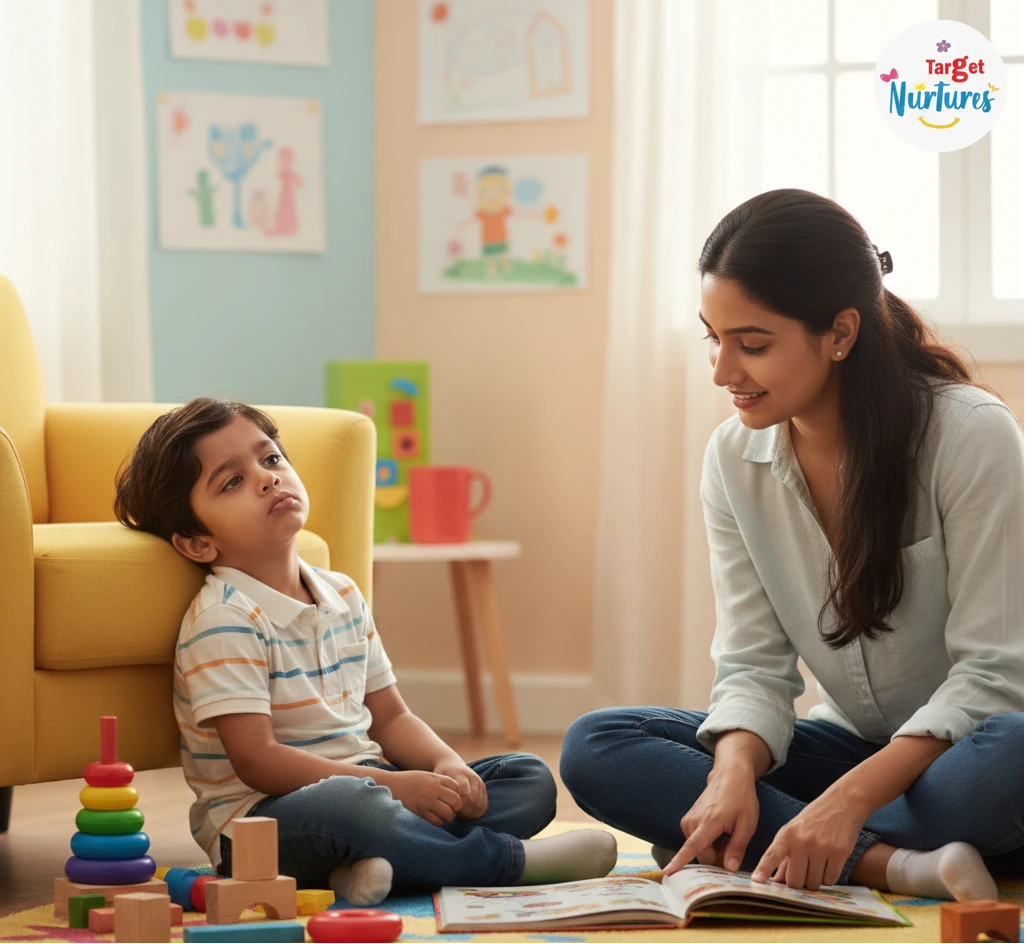
A child bored with daily activities at home
Why Do Kids Get Bored in the First Place?
Understanding why children feel bored helps parents respond better, instead of reacting quickly.
- Overstimulation from screens: Fast-paced digital content can reduce attention span. When children are used to constant stimulation, everyday activities may feel slow or less exciting.
- Lack of structured choices: Sometimes, kids are not truly bored. They just don’t know what to do next. With no options available, they end up saying they’re bored.
- Need for connection: Boredom can sometimes signal a desire for attention or shared time with parents.
- Mental fatigue: After school or busy days, children may feel tired but not recognise it. What looks like boredom may simply be a need for rest.
Fun Activities to Avoid Boredom in Children at Home
Simple, creative activities to avoid boredom in children do not require expensive materials or complex planning.
Quick No-Prep Activities for Instant Engagement
1. Story-building game
Start a sentence and let your child build it into a story. This fosters creativity and language skills while keeping them engaged. Blossom English Storybooks for Kids provides interesting short stories for kids’ overall development.
2. Indoor treasure hunt
Hide simple objects at home and give clues to find them. This boosts problem-solving and movement inside the home.
3. DIY obstacle course
Use cushions, chairs, and safe spaces for crawling or balancing. Physical movement in kids reduces restlessness quickly. Some DIY tools, as mentioned in ‘DIY Learning Tools for Kids’, offer great ways to creatively help you prevent your child from getting bored.
4. Art corner challenge
Give a theme like ‘draw your dream house’ or ‘create your own animal.’ Open-ended prompts encourage imagination in children.
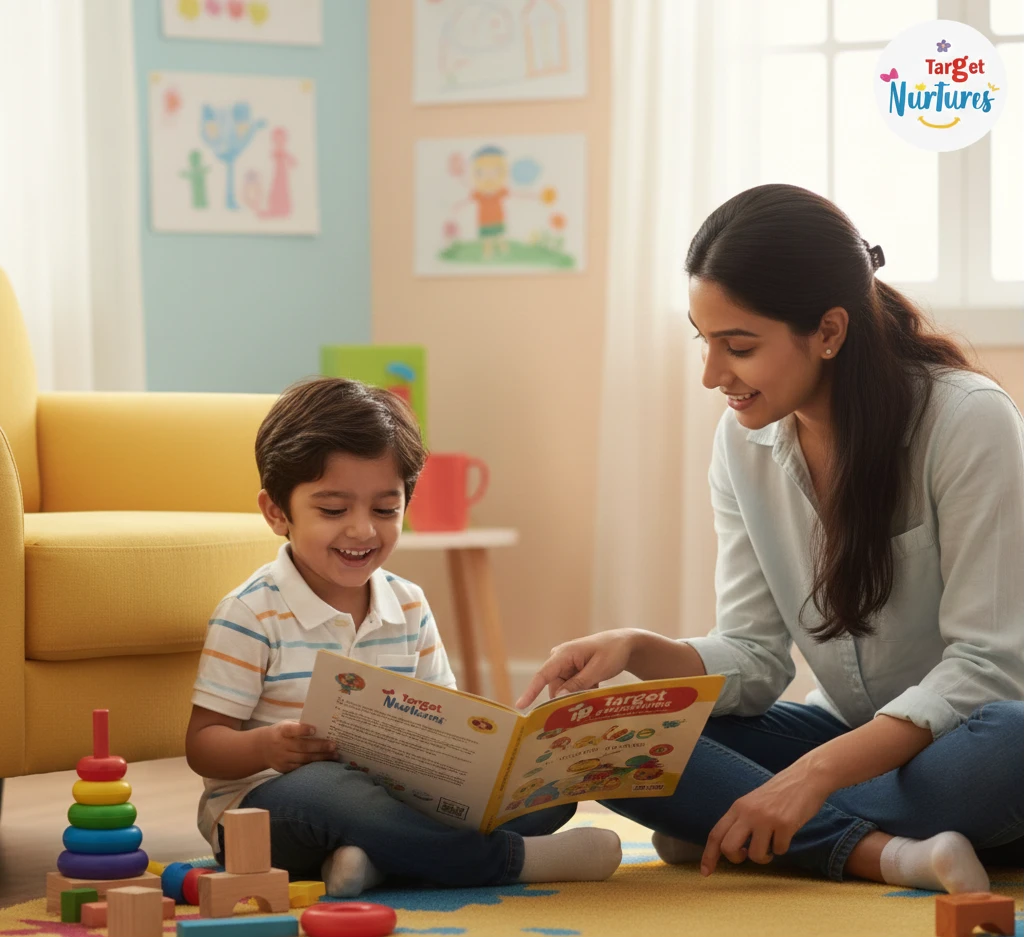
A child enjoying Target’s Activity Book at home
Skill-Building Creative Activities at Home
1. Puzzle and building time
Blocks, magnetic tiles, or puzzles improve focus and logical thinking in children.
2. Boredom jar
Create a jar filled with activity ideas. When your child says they are bored at home, let them pick one independently. Find some creative activities to tackle your child’s boredom at home in Target’s Activity Books.
3. Role-play scenarios
Pretend to run a shop, hospital, or classroom. Role play strengthens communication and emotional understanding in young children.
4. Reading adventure hour
Let your child pick a book and act out scenes. This builds comprehension and confidence in the early years.
When Boredom Might Be Something Else
- Emotional overwhelm: If your child seems irritable along with boredom, they may be processing feelings.
- Need for social interaction: Children often feel bored when they miss peer interaction.
- Lack of routine: Unstructured days can make children feel lost or disengaged.
- Lack of attention: Sometimes saying ‘I’m bored’ is simply a way of asking for connection.
In these cases, small conversations and reassurance can help more than activities.
Conclusion
When your child is bored at home, it does not mean you are failing as a parent. Boredom can be a doorway to creativity, independence, and problem-solving if handled calmly and thoughtfully.
The key is balance. Offer ideas, create a supportive environment, and allow space for independent exploration. Over time, your child will learn how to manage boredom on their own and turn it into something meaningful.
Frequently Asked Questions (FAQs)
1. Is it bad if my child says they are bored often?
Ans: Not necessarily. Occasional boredom encourages creativity. However, if your child feels bored constantly, it may help to review routines for independent play at home.
2. Should I entertain my child every time they are bored?
Ans: No. Constantly entertaining children can reduce independent thinking. Offer simple activity ideas, but allow them space to choose, and explore on their own.
3. How can I keep kids busy without screens?
Ans: Encourage hands-on activities like art, storytelling, building games, reading, or simple home challenges. Rotating toys and creating activity zones can also help reduce screen dependence.
4. Why does my child get bored quickly with toys?
Ans: Children may lose interest due to overstimulation or too many options. Rotating toys and limiting choices can increase engagement and focus.