
As someone who’s been passionate about gaming for years, I know firsthand how immersive, exciting, and even educational it can be. From strategy-building to storytelling, games can spark creativity, improve reflexes, and offer a genuine sense of achievement.
But here’s the thing: what works well for adults—or even teens, doesn’t always translate safely for younger kids. Research increasingly shows that too much screen time, especially through gaming, can quietly affect children’s development, behaviour, and emotional well-being. And while I love the world of gaming, I believe it's just as important to understand the science behind its impact on growing minds.
So, let’s look at both sides—starting with the hidden risks, and then exploring five screen-free alternatives that nurture creativity, connection, and overall growth.
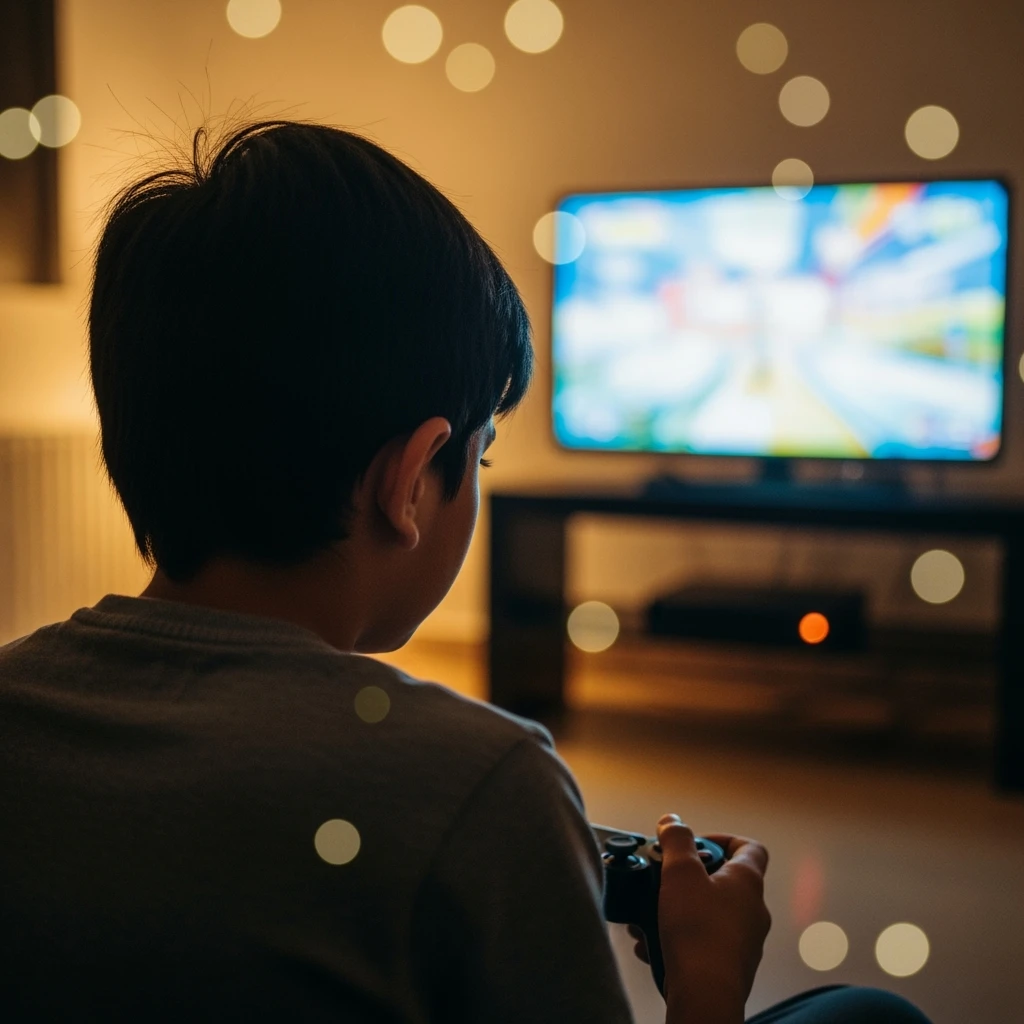
Gaming feels fun now, but risks come later
The Hidden Risks of Excessive Gaming
-
Delayed Social Skills
Spending hours in front of a screen reduces real-world interaction. Kids may miss out on developing essential communication skills and empathy.
-
Sleep Disruption
Bright screens and stimulating content, especially before bed, interfere with natural sleep cycles, causing fatigue and irritability.
-
Poor Academic Performance
Gaming can become addictive. If unchecked, it eats into study time, reduces concentration, and ultimately, could impact grades.
-
Increased Aggression or Anxiety
Certain games expose children to violent content, fast-paced action, or competitive stress, which can increase anxiety or aggressive behavior.
-
Physical Health Issues
Lack of physical activity, poor posture, and eye strain are common side effects of long hours of gaming.
-
Financial Strain on Families
Gaming PC, gaming laptop, smartphone, or popular gaming consoles like Microsoft’s Xbox and Sony’s PlayStation can be expensive. What often follows is a steady stream of in-game purchases, add-ons, and ‘limited-time’ offers that can rack up serious expenses.
Many games use money-grabbing tactics like loot boxes, skins, and gambling-style microinstruction. Disguised as fun, they often pressure kids to spend—without fully grasping real money’s value, leading to unhealthy spending habits over time.
To dive deeper into how in-game purchases affect kids, check out this insightful guide by the Family Online Safety Institute: Gaming Safely – Understanding In-Game Purchases and Their Impact on Kids.
5 Healthier Screen-Free Alternatives for Kids
Looking for ways to reduce your child’s gaming time without resistance? Here are 5 engaging, screen-free options that are just as fun—and a lot more beneficial.
1. Activity-Based Learning Books
Try books that combine fun and learning—like puzzle books, handwriting practice, or creative workbooks. They stimulate the brain while keeping kids engaged offline. (P.S. We offer some beautifully designed options!)
2. Outdoor Play and Nature Walks
Whether it’s a visit to the park, cycling, or a simple scavenger hunt in the garden—outdoor time improves mood, immunity, and fitness.
3. Arts, Crafts, and DIY Projects
Encourage creativity with colouring, clay modeling, or paper crafts. These activities boost imagination and improve hand-eye coordination.
4. Mindful Practices
Introduce mantra chanting, breathing exercises, or simple yoga. These promote calmness, focus, and emotional regulation from an early age.
5. Board Games and Storytelling
Bond over classic board games or build storytelling routines. It enhances vocabulary, listening skills, and memory.
Final Thoughts
Video games aren’t the villain—but like anything, moderation is key. As parents, our job isn’t to ban screens entirely, but to guide our kids toward balanced choices that fuel their minds, bodies, and hearts.
Start small. Swap one hour of screen time with a healthier alternative—and you’ll soon see the difference.
FAQs
1. Is gaming bad for children’s brain development?
Ans: While moderate gaming can improve certain cognitive skills like problem-solving and coordination, excessive screen time may negatively impact attention span, emotional regulation, and social skills in children.
2. How much screen time is healthy for kids per day?
Ans: The American Academy of Pediatrics recommends no more than 1 hour of screen time (non-educational) per day for children aged 2–5 and consistent limits for older kids to ensure time for physical activity, sleep, and offline play.
3. What are the long-term effects of video games on children?
Ans: Long-term overuse of video games in children may lead to poor academic performance, social withdrawal, sleep problems, and even increased risk of gaming addiction if not properly managed.
4. Are there educational video games that are good for kids?
Ans: Yes, several video games promote learning—like Minecraft: Education Edition, ABCmouse, and Kahoot!—which can improve critical thinking, creativity, and academic skills when used appropriately.
5. What are the best screen-free alternatives to video games for kids?
Ans: Top screen-free options include activity books, outdoor play, storytelling, arts and crafts. These promote creativity, emotional balance, and hands-on learning.