
Helping children learn to write numbers is one of the first steps in building essential life skills. Starting with number writing 1 to 50 gives children a strong foundation in sequence and order, while also improving handwriting, concentration, and everyday confidence. With the right approach, number writing practice can be fun, simple, and stress-free at home.
In this blog, we will share practical tips, playful activities, and answers to common parent questions about number writing for nursery, LKG, and kindergarten kids.
Why Number Writing Matters in Early Years
Before children can take on bigger learning challenges, they first need to recognise and write numbers with confidence. Number writing is not just about maths—it lays the foundation for everyday skills. Tracing and writing numbers strengthens focus, builds fine motor control for neat handwriting, and gives children a sense of achievement. These early victories boost their self-belief, preparing them for school and for the many life skills they will need in the future.
Fun Ways to Teach Number Writing 1 to 50
1. Use tracing worksheets
Start with number writing worksheets where children trace dotted lines. These give structure and help them form digits correctly. You can download free printable sheets or create your own with large, bold numbers.
2. Sing number writing rhymes
Turn writing into a rhyme game. For example, ‘Down and around, and a circle makes 0.’ Rhymes create patterns in the child’s mind and make the process memorable.
👉 Watch: Fun number writing rhymes video
3. Introduce sand or flour trays
Take a shallow tray and fill it with sand, salt, or even flour. Invite your child to use their finger to trace numbers on the surface. This hands-on, sensory activity does more than just make practice fun—it helps children connect touch with learning, which strengthens memory and concentration. The texture also keeps them curious and engaged for longer, making number writing feel like play rather than work.
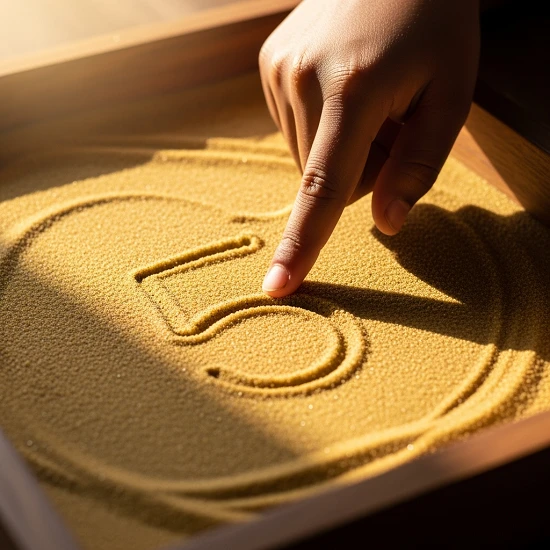
Child tracing number five in sand
4. Play number hunt games
Write numbers 1 to 50 on small flashcards and hide them around the room. Ask your child to find the numbers in order and write them down in a notebook. This combines movement with learning.
👉 Related activity: My First Flash Cards for kids
5. Set a number tracing challenge
Give your child a target: ‘Let’s write numbers 1 to 20 three times today.’ Use colourful pens, stickers, or stamps as rewards. Challenges keep motivation high without feeling like homework.
How to Make Practice Effective
Like any new skill, number writing improves with regular practice. Short, consistent sessions not only help children remember what they learn, but also build patience, focus, and confidence over time. With the right approach, practice becomes a positive habit rather than a chore.
- Keep sessions short, about 10–15 minutes daily.
- Use big writing spaces at first, then move to smaller ones.
- Mix tracing, freehand writing, and games for variety.
- Encourage progress, not perfection.
👉 Next read: Cursive writing practice tips for beginners
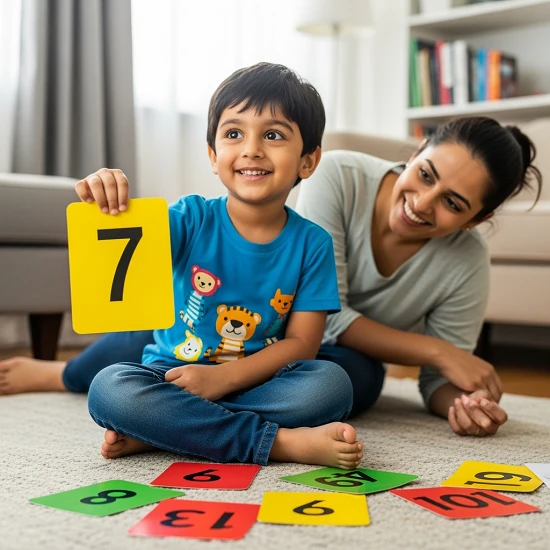
Smiling child showing number seven flashcard
Final Thoughts
Number writing 1 to 50 is an exciting milestone in your child’s learning journey. With playful methods, engaging worksheets, and a little daily practice, children will not only master numbers but also enjoy the process of learning.
👉 Explore more: Number writing styles every parent should know
FAQs for Parents
1. At what age should kids start tracing numbers?
Ans: Most children can begin tracing numbers around 3 to 4 years old, depending on their motor skills.
2. How does tracing numbers help with early math skills?
Ans: Tracing makes children familiar with the shape, order, and sequence of numbers, which later supports counting and simple arithmetic.
3. How much time should my child spend on tracing each day?
Ans: Keep it short—10 minutes daily is more effective than long, tiring sessions.
4. What supplies are needed for a number tracing challenge?
Ans: Basic supplies include worksheets, pencils, crayons, or markers. For fun, add flashcards, stickers, or tracing boards.
5. Can tracing activities improve handwriting?
Ans: Yes, tracing strengthens fine motor skills, improves control, and helps with neat handwriting later.
6. What should I do if my child struggles with tracing?
Ans: Stay patient. Break numbers into smaller steps, use rhymes, or switch to sensory play (sand, clay, etc.) to keep practice stress-free.