
Every parent dreams of seeing their child write beautifully and confidently. Yet, the journey to neat handwriting does not begin with the alphabet itself. It starts with something simpler and more enjoyable: tracing books. These playful tools, including preschool tracing books, ABC tracing books, and even number tracing books, help children build the control, focus, and confidence they need long before they pick up a pencil to write full letters.
What Are Tracing Books?
Before a child learns to write, they need to develop the muscles and movements that make writing possible. Tracing books are designed for this very purpose. They feature lines, shapes, curves, and patterns that guide a child's hand along the page.
Unlike plain worksheets, tracing books are structured, engaging, and visually appealing. They allow children to practise pencil grip, strengthen hand movements, and learn how to follow directions. This is not just preparation for writing, but a step towards building patience and concentration.
Once children are familiar with basic shapes and patterns, they are ready to progress to letters and numbers. This is why tracing is often referred to as the foundation of handwriting.

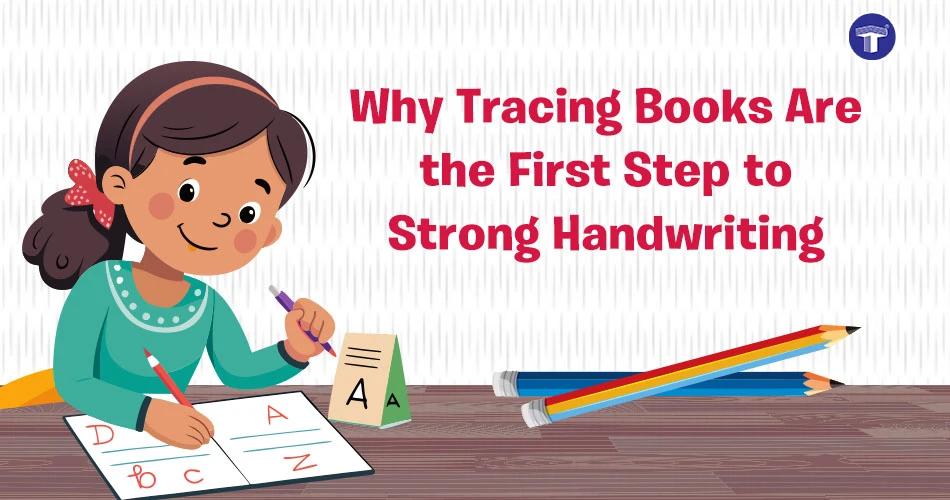
Preschooler practising tracing books with colourful crayons
The Importance of Tracing Books in Early Learning
When children first try to write, they often press too hard or struggle with shaky lines. Without the right foundation, this can lead to frustration. Tracing books bridge this gap by allowing children to practise movements in a fun and stress-free way.
The benefits are wide-ranging, tracing helps to:
- Improve fine motor skills and hand–eye coordination
- Build focus and attention span
- Strengthen memory by repeating patterns
- Boost confidence through achievable milestones
Each line traced is not only practice but also progress. Children begin to believe in their own abilities, which makes the transition to handwriting smoother.
As children gain control and assurance, they are ready to explore more complex tasks. This naturally leads us to consider how tracing books differ from ordinary worksheets.
For additional insights into the benefits of alphabet tracing, you might find the article on Liam's Classroom helpful.
Tracing Books vs Printable Worksheets
In today's digital world, worksheets are easy to find online. However, they often lack structure and durability. Tracing books, on the other hand, are thoughtfully organised with progressive difficulty levels.
Books provide:
- A step-by-step journey from simple lines to letters and numbers
- Engaging visuals that keep children motivated
- The consistency of practice without scattered loose pages
- A sense of accomplishment as children complete page after page
This makes tracing books a more reliable and enjoyable choice for long-term learning. Once parents and teachers understand this difference, the next step is choosing the right book for a child's age and level.
Choosing the Right Tracing Book
Every child learns differently, and the best tracing book depends on their age and interests. For toddlers around two to three years old, books with big, bold lines and colourful images work best. As children grow, they can move on to tracing curves, shapes, and eventually letters and numbers.
When selecting a book, look for:
- Age-appropriate content that starts simple and gets gradually harder
- Durability, so the book lasts through repeated practice
- Visual appeal with colours and illustrations that keep children engaged
- A balance of patterns and letters so the child develops holistically
A good tracing book can transform learning from a struggle into an adventure. Once the right book is chosen, parents and teachers can also enhance learning by connecting tracing to everyday life.
Creative Tracing Games at Home
Children learn best when they are having fun. Parents and teachers can turn tracing into exciting games that spark joy and curiosity. Some ideas include:
- Sand or rice trays where children trace letters with their fingers
- Pattern races where parents and children compete to complete shapes
- Festival tracing by involving kids in drawing diya or star outlines
These playful activities make tracing memorable, ensuring children remain motivated. The more fun they have, the stronger their foundation for writing becomes.
With games supporting their progress, it is also important to provide children with the right resources. This is where specially designed tracing books make all the difference.
Recommended Tracing Books
At Target Publications, we believe that every child deserves tools that make learning joyful and effective. Our collection of books has been designed with both fun and focus in mind.
Some of our most loved titles include:
- Writing Practice Books for Kids
- 101 Pencil Control Activity Book
- Cursive Writing Practice Books for Kids
These books not only build writing readiness but also nurture a child's creativity and confidence.

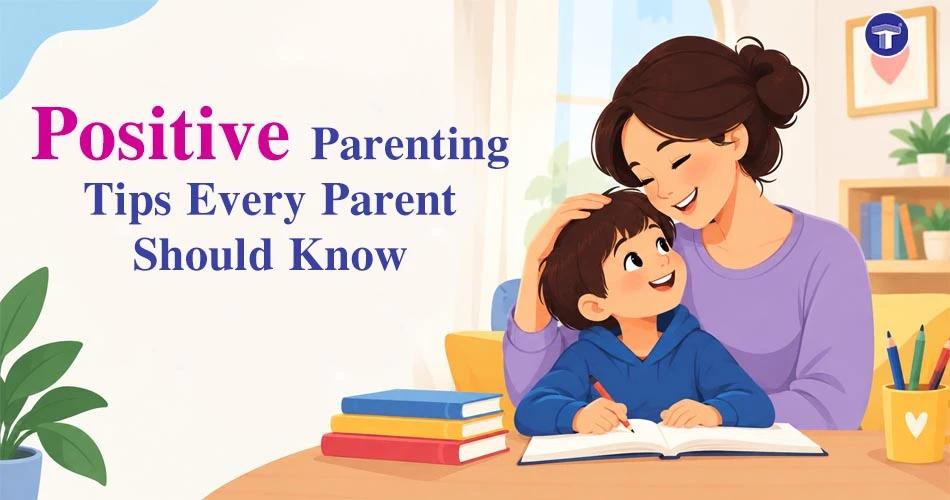
Parent helps child learn with alphabet tracing books
Conclusion
Tracing books are more than just activity books. They are the stepping stones that prepare children for neat, confident handwriting. Every line traced improves motor skills, strengthens focus, and builds belief in their abilities.
For parents and teachers, tracing is not just about practice, but about giving children the tools to enjoy learning and embrace challenges. By starting with tracing books, you are giving your child the strongest first step towards handwriting success.
FAQs
1. At what age should kids start using tracing books?
Ans: Most children can begin with tracing books for 3 year olds or even earlier, around 2.5 years, starting with preschool tracing books that focus on simple lines and curves. As they grow, they can move on to ABC tracing books and number tracing books.
2. How do tracing books help in handwriting development?
Ans: Tracing books strengthen fine motor skills, improve hand–eye coordination, and teach pencil control. By practising with letter tracing books and alphabet tracing books for kindergarten, children gain the confidence and discipline needed for neat handwriting.
3. What types of tracing patterns should kids practise first?
Ans: Children should begin with zig zag line worksheets, slanting line tracing worksheets, and pattern lines worksheets. Once comfortable, they can move on to shapes, pattern tracing worksheets, and later letters and numbers.
4. Are tracing books better than printable worksheets?
Ans: Yes, tracing books are usually better because they provide structured progress, engaging visuals, and durability. Worksheets such as pattern tracing for preschoolers or a zig zag line worksheet are helpful, but reusable tracing books and organised pattern books for preschool are more effective in the long run.
5. Do tracing books only cover lines, or do they include letters and numbers too?
Ans: While beginners start with lines and curves, most tracing alphabet books and number tracing books also include letters, numbers, and even shapes. This gradual increase keeps children engaged while building strong handwriting skills.