
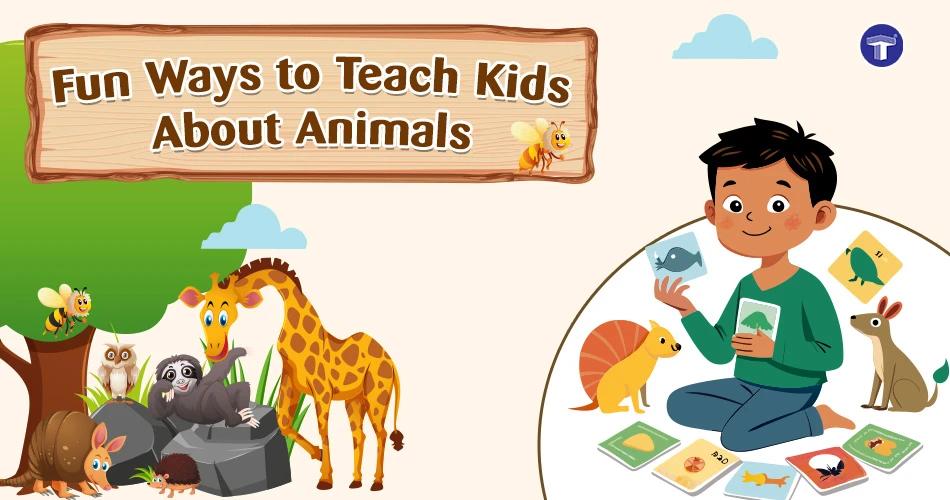
Ever wonder what a toddler’s day looks like? It is full of small discoveries. A wagging dog in the park, pigeons on the balcony railing, or a butterfly fluttering past, and many other wonderful things that capture their attention daily. For children, animals are often the first doorway to understanding the natural world.
But what if we tell you that you can turn these encounters with animals into learning opportunities for your little kids? Instead of formal lessons, a few simple conversations and playful activities can help children learn about animals in ways that feel natural and exciting.
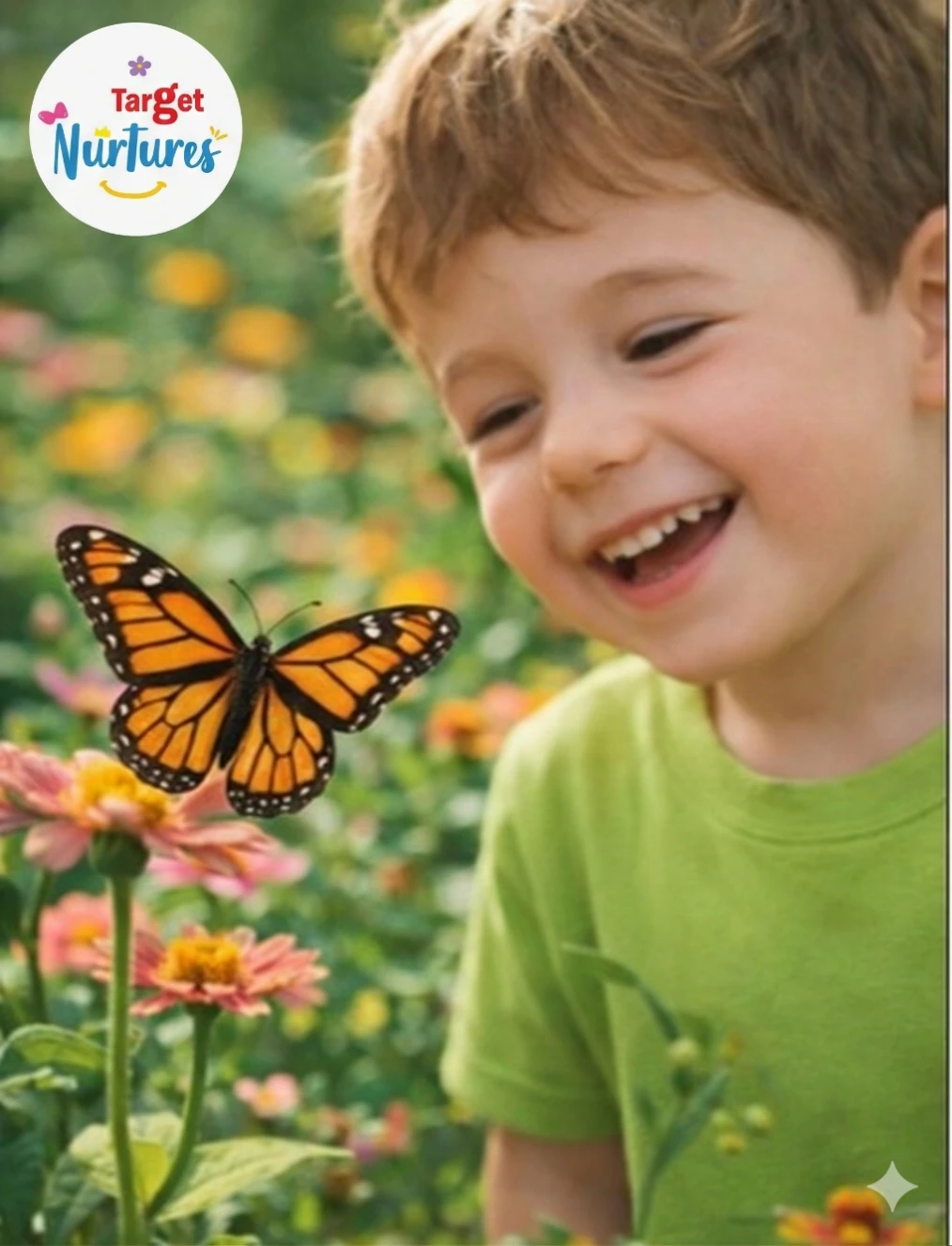
A Child Having Fun Observing Animals in a Garden
How Everyday Animal Encounters Help Kids Learn About Animals
-
Spotting animals during walks
On a walk, a wagging dog or a scampering squirrel can spark a child’s curiosity about animals.
-
Watching birds and insects
Birds chirping on the balcony or ants moving in a line can easily catch a toddler’s attention, making them stop and watch for a while.
-
Observing neighbourhood animals
Sitting in the balcony, a kid may observe some cats and cows roaming, or pets running around on the street, which offer simple chances to discuss how animals behave.
Turning Simple Moments into Fun Lessons to Teach Kids about Animals
-
Talk about animal movements
Encourage your child to notice how rabbits hop, birds fly, or fish swim. These comparisons help children understand differences between animals.
-
Discuss food and homes
A quick chat about what cows eat or where birds build nests introduces science concepts in toddlers.
Stories and Books: Fun Ways to Teach Kids About Animals
Once curiosity begins, children usually want to know more about the animals they see.
-
Animal-themed bedtime stories
Picture books featuring lions, elephants, or charts on domestic animals make learning engaging. Storybooks on animals help toddlers become familiar with animals easily.
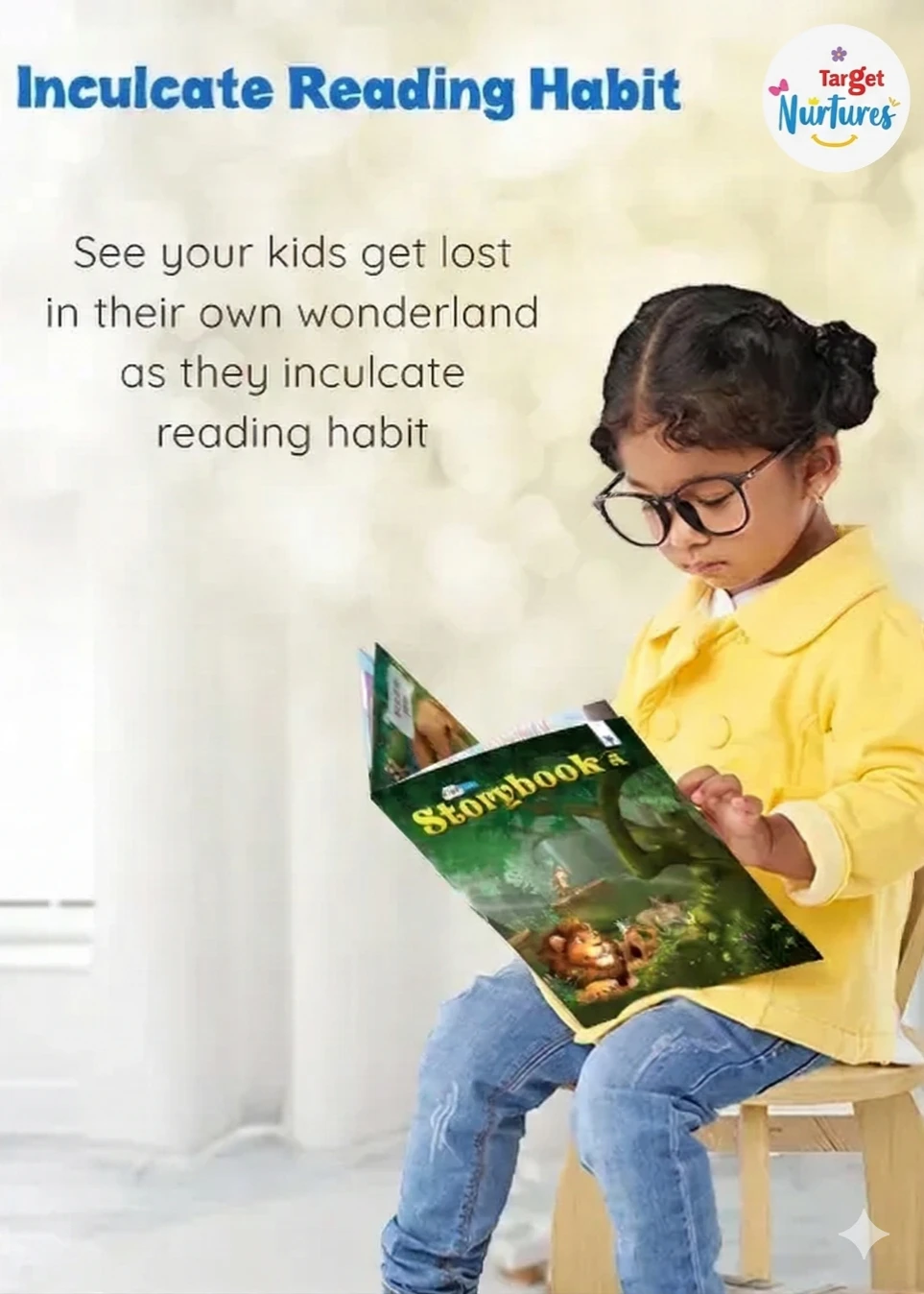
Engaging Animal Storybooks for Toddlers
-
Animal learning charts
Domestic and wild animal learning charts help toddlers recognise different animals while keeping learning simple and engaging.
-
Early learning books
Parents can introduce animal colouring books at this stage, where children colour different animals while enjoying a creative animal learning activity.
Learning About Animals Through Play
Play is one of the most effective ways toddlers learn, which is why you must plan activities around learning about animals for kids.
-
Animal role-play games
Children love pretending to hop like a rabbit or crawl like a turtle. These playful actions help them remember animal traits.
-
Guess the animal sound
Making sounds like a cow, dog, or duck can become a fun guessing game during family time.
-
Toy animal exploration
Sorting toy animals into farm animals, jungle animals, or sea creatures playfully introduces classification skills.
Fun Hands-On Animal Learning Activities
Simple animal learning activities can deepen a child’s interest in animals.
-
Animal puzzles
Puzzles help children recognise shapes and animal images while strengthening problem-solving skills.
-
Matching animals with habitats
Matching a polar bear to ice or a fish to water builds understanding of where animals live.
-
Creative animal crafts
Paper plate lions, clay turtles, origami animals, or simple activity kits allow children to express creativity while learning about different species of animals.
Many Activity Books designed for toddlers include these playful tasks, helping parents teach kids about animals in structured and enjoyable ways.
How Kids Explore Animals Beyond Home
-
Zoo and aquarium visits
Seeing animals up close helps children connect pictures in books with real creatures.
-
Nature walks in parks
Children can watch butterflies, birds, and insects while exploring nature.
-
Child-friendly wildlife videos
Short videos about animals allow toddlers to see animals in their natural environments.
These experiences expand a child’s understanding of the animal kingdom.
Nurturing a Lifelong Love for Animals
For a toddler, the world is full of fascinating creatures. A buzzing bee, a barking dog, or a bird building a nest can quickly turn into a moment of wonder.
By noticing these moments and adding small bits of learning, parents can gently teach kids about animals. Over time, these simple activities help children enjoy animal learning activities and build a lasting love for animals and nature.
Frequently Asked Questions
1. At what age should children start learning about animals?
Ans: Children can begin learning about animals as early as toddlerhood. Simple picture books and everyday observations help introduce animal names and habitats early.
2. How can parents teach toddlers animal names easily?
Ans: Parents can use picture books and toys, repeat names during play, make animal sounds, and point out animals during walks, helping toddlers remember them naturally.
3. Are animal books helpful for toddler learning?
Ans: Yes, Animal Books help toddlers recognise animals, learn sounds, and understand habitats. Colourful illustrations make it easier for young children to remember and stay engaged.
4. Why do toddlers enjoy learning about animals?
Ans: Toddlers are naturally curious about animals because they notice their sounds and movements. This makes animal learning enjoyable, keeping children engaged while exploring the world.