
If you’ve ever watched your little one clutch a toy and declare ‘Mine!’ at the top of their lungs, you’re not alone. Teaching kids about sharing, patience, and kindness can feel like trying to reason with a tiny lawyer who runs on sugar and cartoons.
But here’s the truth – values aren’t taught through lectures. They’re learned through what our children see us do every single day.
In Indian homes, where grandparents still narrate moral stories for kids in India and festivals celebrate compassion, kindness has always been a way of life. It just needs a gentle nudge to take root in our little ones.
So, here are ten heartwarming, real-life ways to teach your child kindness, patience, and sharing without losing your cool.
1. Tell Stories That Plant Seeds of Kindness
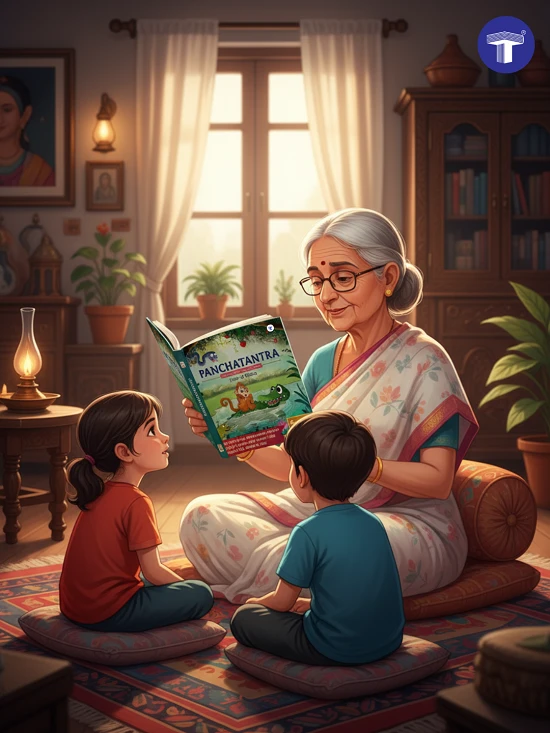
Storytelling plants seeds of empathy in children
From the Panchatantra to tales of Lord Rama’s compassion, India is full of stories that teach values beautifully. Read or narrate one short story daily, then ask your child simple questions like ‘What would you have done?’ or ‘How did the character feel?’ It helps them connect action with empathy.
(Bonus tip: bedtime is the best time for storytelling; your child’s heart is open and calm.)
2. Model the Behaviour You Want to See

Children learn kindness by watching their parents
Children don’t just hear us, they copy us. Say ‘thank you’ to the house help, apologise when you’re wrong, and speak kindly when frustrated. Those small acts become powerful lessons.
Remember, kindness isn’t taught in a single lecture; it’s observed over a lifetime.
3. Use Playtime to Teach Sharing
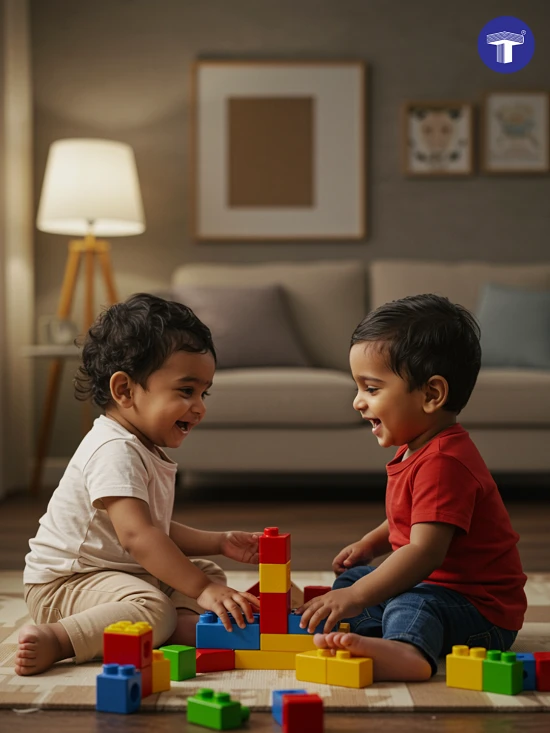
Playtime teaches sharing and teamwork naturally
Playdates, siblings, or cousins – these are perfect moments to encourage sharing. If your child refuses to share a toy, gently guide them with choices: ‘You can play with it for two more minutes, then it’s your friend’s turn.’
Games that involve taking turns carrom, board games, or even passing the ball also build patience naturally.
4. Involve Grandparents in Everyday Teaching
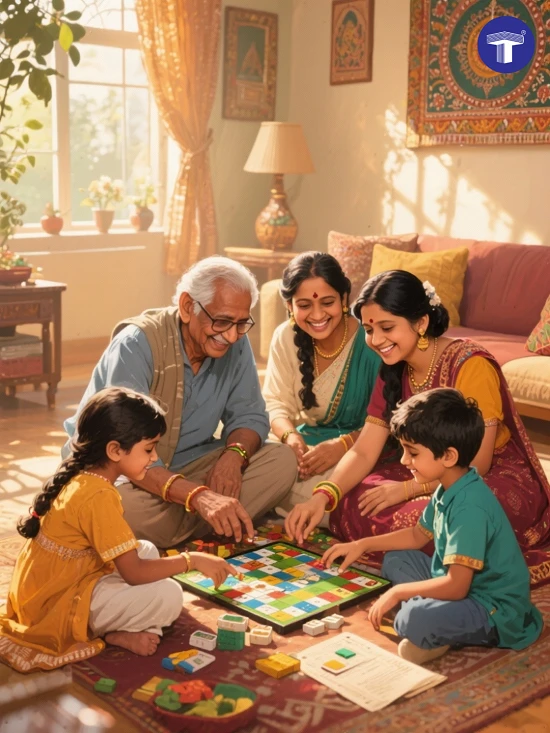
Grandparents nurture empathy and kindness
Indian grandparents have the secret recipe for values. Their gentle stories, patient explanations, and unconditional love create safe spaces for children to learn empathy.
Ask your parents to share real-life stories that teach kindness and empathy, or moments when they learned to wait patiently. Kids love hearing family experiences.
5. Encourage Helping at Home
Simple chores like setting the table, watering plants, or handing out sweets during festivals make kids feel responsible and connected.
When children help, they learn that caring for others is part of being a family and not just a duty. This builds moral values in Indian kids and emotional development in kids.
6. Praise Effort, Not Just Outcome
When your child waits for their turn or shares something, notice it! Say, ‘That was really kind of you’ or ‘You were very patient just now’.
Children repeat what’s appreciated. So, praise the behaviour you want to see more of, a key parenting tip for Indian parents.
7. Use Books and Media That Reflect Kindness
Choose books and media that model empathy and inclusion. Stories like The Giving Tree, Peppa Pig’s Helping Day, or Indian tales like Tenali Raman can open up conversations.
Afterwards, discuss what the characters did and how it made others feel. This helps kids internalise positive values and teach kindness to kids.
8. Create a ‘Gratitude Ritual’
At dinner or bedtime, ask everyone to share one thing they’re thankful for. It could be something simple like ‘I’m thankful for playing in the park today’.
This daily practice builds emotional awareness and teaches children that joy comes from appreciation, not possession, reinforcing mindful parenting India practices.
9. Give Them Opportunities to Help Others
Even young children can participate in small acts of giving. Donating toys, feeding stray animals, or helping distribute food during community events can also teach important values.
These moments of kindness help them experience the joy of generosity firsthand. Kindness becomes something they feel, not just something they’re told about.
10. Be Patient with Their Learning Curve
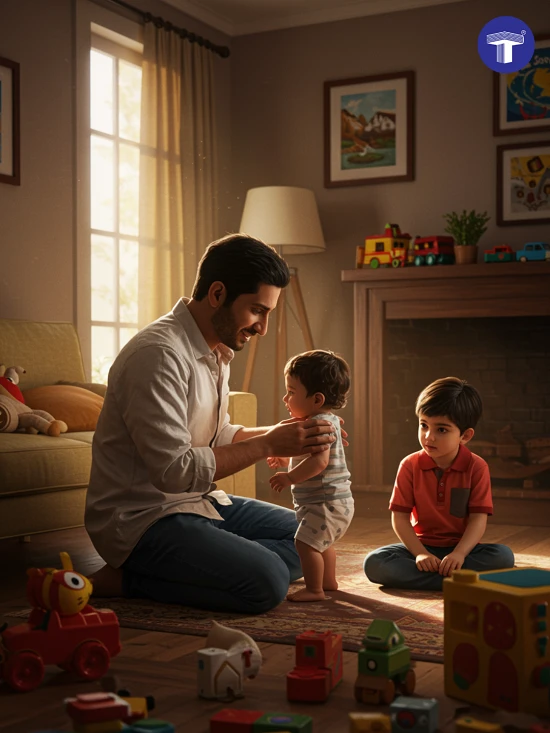
Patience helps children learn sharing calmly
Children will have meltdowns, refuse to share, and test your limits, it’s a part of growing up. The key is staying calm and consistent.
Each time you respond with understanding, you’re showing them what patience really looks like.
Remember, they learn more from how you react than from what you say, a cornerstone of raising kind children.
The Final Takeaway
Kindness isn’t a lesson taught in one day; it’s a journey walked together. The little moments, a shared toy, a gentle word, a patient wait–are where it begins.
As Indian parents, we have the gift of culture, stories that teach values, and community to guide our children towards compassion. Let’s nurture those values through the love and example we give daily.
After all, the kindest version of your child starts with the calmest version of you.
Frequently Asked Questions
1. Is it normal for toddlers not to want to share?
Ans: It's natural for toddlers to be focused on themselves as they are still learning how the world works. At this age, a child’s sense of ownership is strong, so sharing can feel like giving something away forever. Instead of forcing it, model sharing yourself and use phrases like ‘your turn’ and ‘my turn’. Over time, your child will understand that sharing can be fun and fair.
2. Can 2-year-olds understand kindness and empathy?
Ans: Yes, they can – in small, beautiful ways. While they might not grasp complex emotions, two-year-olds can sense when someone is sad or happy. You can nurture empathy by naming feelings (‘You look upset’, ‘She’s happy because you gave her a hug’) and showing gentle behaviour yourself. Toddlers learn through imitation long before they learn through instruction. This is a key step in how to teach kindness to kids.
3. What are some fun activities to teach sharing to toddlers?
Ans: Play is the best teacher! Try:
- Turn-taking games like rolling a ball back and forth
- Building blocks or puzzles where you complete something together
- Cooking or craft sessions where you take turns stirring or painting
- Storytime swaps, where each of you picks a page to read
These small, playful moments teach patience, teamwork, and generosity far better than lectures ever could, and are effective ways to teach sharing.
4. How can I encourage empathy in my child at age two?
Ans: Start with emotional awareness. Label emotions openly – yours, theirs, and others’. Use phrases like ‘I’m happy because you helped me’ or ‘That puppy looks sad; let’s pat it gently’. Reading picture books about kindness, helping around the house, and praising gentle behaviour also strengthen empathy early on. Even a simple ‘thank you’ builds connection and supports mindful parenting.
5. Why is it important to teach sharing and kindness early?
Ans: Because the habits formed in early childhood often last a lifetime. When children learn kindness and sharing young age, they grow into more cooperative, confident, and emotionally secure individuals. Early exposure also helps them manage frustration, build friendships, and understand boundaries. It’s one of the best gifts you can give your child, a heart that understands others, which is central to raising kind children.
6. My toddler throws tantrums when asked to share. What should I do?
Ans: Stay calm. Tantrums are your child’s way of expressing frustration, not defiance. Avoid scolding or forcing them to share. Instead, comfort them first, then gently explain why sharing matters. Use phrases like ‘I know you love that toy, let’s take turns so both of you can enjoy it’. Consistency, patience, and calm responses work far better than confrontation, and these strategies teach patience and kindness to kids effectively.