
Let’s be honest.
Being a parent in 2025 isn’t just about managing routines, school projects, or getting kids off YouTube.
It’s also about raising little humans who know what to do when big emotions hit. Anger. Fear. Jealousy. Confusion. All of it. Because if they can name it, they can tame it.
And that’s what teaching emotional intelligence is all about. Not always being 'calm and composed.' But recognising what they feel, knowing why they feel it, and figuring out a way to move forward.
Here’s how you can raise kids who don’t just feel everything deeply but understand themselves deeply too, with the help of emotionally intelligent parenting.
What is Emotional Intelligence?
In simple terms, emotional intelligence (EI) is the ability to:
- Notice and name emotions
- Understand where they come from
- Handle them in healthy ways
- Recognise and respect others’ emotions too
In short, this is the foundation of emotional development for a child—and a key part of positive parenting techniques.
Parents often perceive kids with strong EI as 'less emotional.' However, this isn’t the case. They just have a habit of figuring out their problems and solving them by themselves.
This is especially important when nurturing emotional development in early childhood, where habits and mindsets start forming.
Why It Matters (More Than You Think)
Research links emotional intelligence in preschoolers and older kids with better focus, academic outcomes, stronger friendships, social skills, higher self-esteem, lower anxiety, and fewer emotional outbursts.
It’s not just about school or behaviour. It’s about giving your child tools to thrive in relationships, careers, and tough moments throughout life.
This is why emotional intelligence for kindergarten students needs as much focus as academic learning.
Myth: Emotionally Intelligent = Always Calm
Here’s the truth: even emotionally intelligent kids have meltdowns. They still feel jealous, angry, or sad.
But instead of lashing out or shutting down, they learn how to deal with it.
It’s not about 'never crying'. It’s about knowing why they’re crying and learning what to do next.
5 Ways to Raise Emotionally Intelligent Kids
You don’t need parenting hacks. You need presence. Here’s how to build EI into daily life through healthy parenting tips and effective parenting techniques:
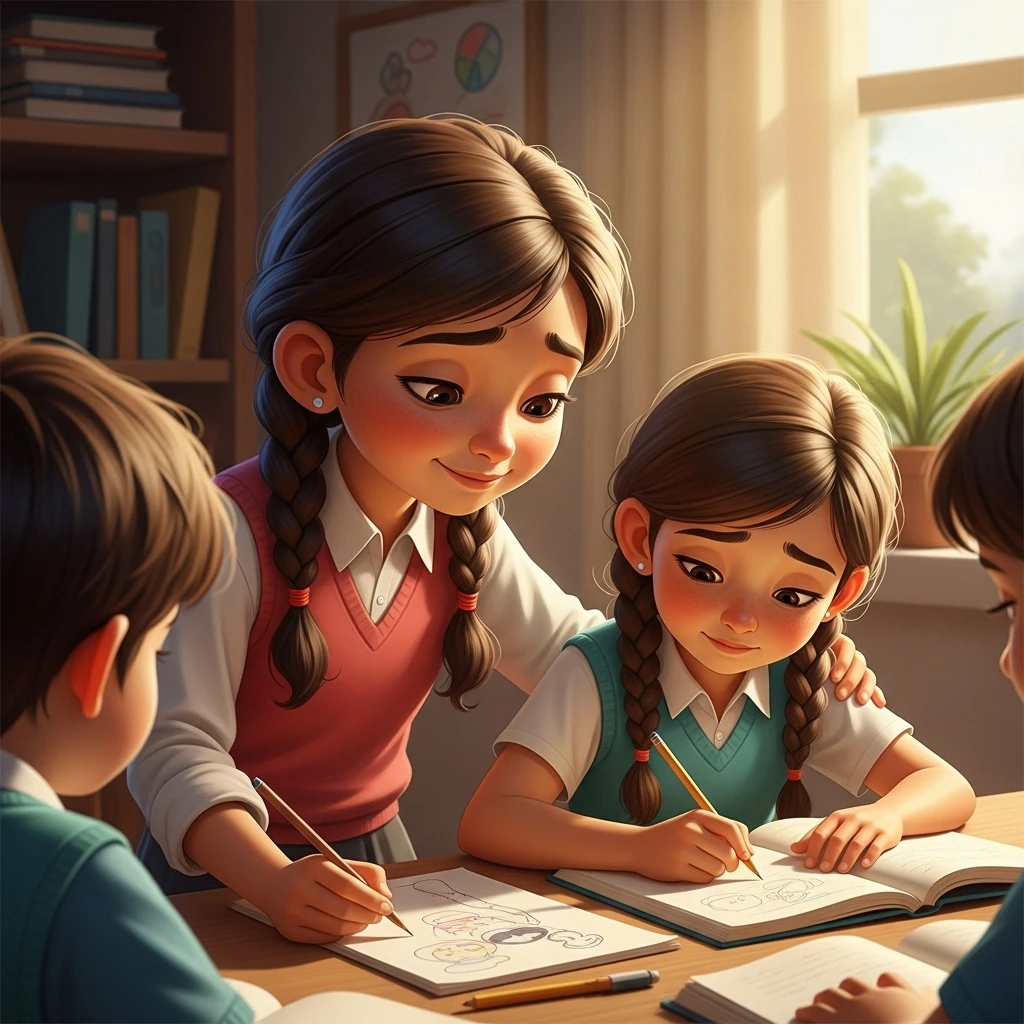
Nurturing emotional development for a child through understanding and connection
1. Name the Feeling
Say things like: 'You look upset, are you feeling disappointed that we had to leave the park?'
This builds their emotional vocabulary and shows them that feelings aren’t scary. They’re just signals.
2. Lead by Example
Talk about your own feelings too: 'I’m feeling overwhelmed right now, so I’m going to take a deep breath.'
Kids learn more from watching than listening. Whether it’s taking a pause, going for a walk, or reciting shlokas and mantras together as a calming ritual, your response teaches them what self-regulation can look like in real life.
3. Normalise the 'Messy' Emotions
Instead of rushing to fix things, let them know it’s okay to feel negative emotions.
Say, ‘It’s totally okay to cry. I’m here when you’re ready to talk.'
That safe space? It changes everything. It is one of the most effective parenting tips you can follow.
4. Inculcate Empathy
By asking questions like, 'How do you think your friend felt when that happened?', it builds empathy and emotional intelligence in preschoolers.
Books that teach about empathy in early childhood, like story-based moral lessons, can gently bring about emotional development for a child.
5. Solve Problems Together
When a problem arises, resist the urge to jump in with, ‘Don’t worry, I’ll talk to your teacher.’
Instead, guide your child toward problem-solving by asking, ‘What do you think would help next time? Would you like to practice what you could say together?’
This teaches confidence, ownership, and resilience.
What to Avoid?
We all slip up. What matters is doing better when we know better.
Try avoiding phrases like 'Stop crying, it’s no big deal', 'Don’t be so sensitive', 'Why are you angry again?'
These shut down emotions instead of guiding them. Swap them with Would you like to talk about it?', 'I’m listening', and 'It’s okay to feel that way'.
This shift supports emotional development for a child without making them feel wrong for having feelings.
You don’t need to have all the answers. You just need to be present.
The Long-Term Win
The work you do now—pausing to listen, helping them name their feelings, guiding instead of judging—it stays with them.
You’re not just raising a child who behaves well. You’re raising someone who can navigate life’s messiness with clarity, compassion, and courage.
And that? That’s a legacy worth leaving.
Frequently Asked Questions (FAQs)
1. At what age should emotional intelligence be taught to children?
Ans: Emotional intelligence can begin developing as early as age 2–3, during the toddler years.
2. How can parents teach emotional intelligence at home?
Ans: By labeling emotions, listening actively, and helping kids express feelings in healthy ways.
3. How can I model emotional intelligence as a parent?
Ans: Show calm responses, name your own emotions, and apologise when you make mistakes.
4. How do I respond when my child has emotional outbursts?
Ans: Stay calm, validate their feelings, and guide them to express themselves appropriately.
5. What are the core emotional intelligence skills children need?
Ans: Self-awareness, empathy, emotional regulation, social skills, and motivation.
6. Can schools help develop emotional intelligence in students?
Ans: Yes, through SEL programs, group activities, and emotionally supportive environments.
7. Can shy or introverted children be emotionally intelligent?
Ans: Absolutely—emotional intelligence in preschoolers isn’t about being outgoing but understanding and managing emotions.