
Introducing books to children at an early age is one of the most valuable gifts a parent can give. Reading together not only strengthens the bond between parent and child, but it also lays the foundation for essential cognitive, emotional, and language skills. For Indian parents seeking to foster curiosity and learning in their toddlers, selecting the right book can have a lasting impact on their development.
The Role of Books in a Child’s Life at Age 2–3
Toddlers aged 2–3 are at a crucial stage of learning, where their brains are absorbing new words, concepts, and images every day. Books for this age aren’t just stories—they’re tools that nurture language skills, curiosity, and imagination. Introducing books early also encourages children to develop a love for reading, which has long-term benefits for academic success and social skills.
Reading together books for 2 and 3 year olds also gives parents a chance to engage in meaningful conversations, explore emotions, and encourage empathy. These early interactions help children listen, ask questions, and make sense of the world around them. According to UNICEF, introducing books at this stage lays the foundation for cognitive, social, and emotional development, setting children on a path toward lifelong learning and a love for reading.
Exploring the Best Types of Books for 2–3 Year Olds
Not all books are created equal for toddlers. To help your 2–3-year-old get the most out of reading, here are the types of books that you can decide which are perfect for your little one:
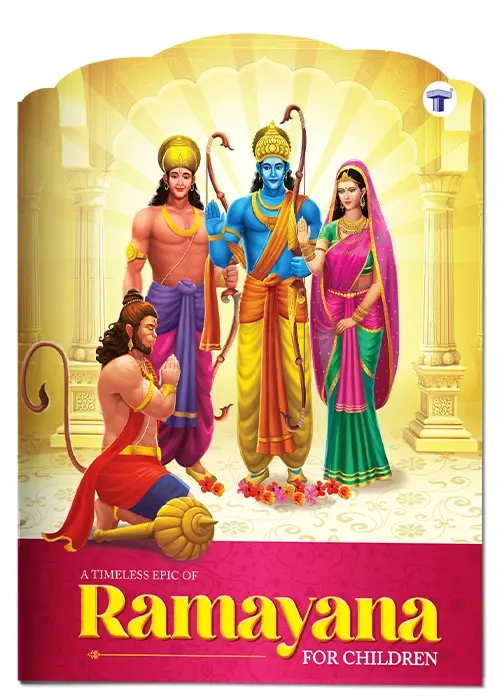
Colourful Ramayana story book for young children
1. Story Books for 2–3 year olds
Imagine curling up with your toddler for a quiet moment, turning the pages of a brightly illustrated story, and watching their eyes light up with wonder. Story books for 2–3 year olds are perfect for these moments. Storytelling books for 2 year olds introduce simple plots and relatable characters in a way that little ones can follow and enjoy. Short, colourful tales, like the Ramayana Story Book, not only make story time magical but also weave in cultural lessons effortlessly. These books aren’t just about reading—they’re about creating moments of connection, sparking curiosity, and letting your child’s imagination roam free.
2. Picture Books for 2–3 year olds
Picture books for 2-year-olds open up a toddler’s world of discovery. At age 2–3, children are learning to recognise objects, animals, and colours, and the vivid illustrations in these books help them do just that. Simple images paired with minimal text allow little ones to follow along, point, and start connecting words with pictures—turning every page into a mini adventure. Picture books also create shared moments of discovery, where parents and children can laugh, ask questions, and explore together. You can find a delightful collection of books suitable for 2–3 year olds on our Pre-Primary Learning page.
3. Activity Books for 2–3 year olds
Activity books for 2–3 year olds turn learning into a playful adventure. Filled with colouring pages, matching games, tracing exercises, and simple puzzles, these books keep little hands busy while encouraging curiosity and creativity. Beyond the fun, toddlers practice fine motor skills, hand-eye coordination, and problem-solving in ways that feel like play, not work. Target Publications’ Nurture 505 Activity Book and 101 Pencil Control Activity Book are examples of educational books for 2 year olds that combine fun with learning.
4. Board Books for 2–3 year olds
Toddlers love to explore with their hands—and that’s where board books for 2-3 year olds shine. Designed to withstand little fingers and curious handling, these books often include interactive elements like flaps, textures, or lift-the-flap surprises. Board books let children touch, feel, and discover safely, whether on their own or with a parent guiding them. For example, the Shlokas and Mantras Activity Book invites toddlers into a world of interactive learning, making reading an experience full of surprises and joy.
Recommended Books for Toddlers in India
Here are some examples of learning books for 2 year olds and best books for 2 and 3 year olds that parents can consider:
- Learning Books: My First 1000 Words is ideal for toddlers beginning to recognise letters, sounds, and words through playful illustrations.
- Activity Books: 505 Activities and 101 Pencil Control Activity Book support early learning while making fine motor practice fun.
- Story Books: Ramayana Story Book and other short cultural tales introduce Indian mythology in an age-appropriate manner.
- Board Books: Shlokas and Mantras Activity Book offer durable pages and interactive learning, perfect for toddlers who enjoy tactile engagement.
- Colouring Books: Colouring Box Set (Pack of 12) allows children to explore creativity, colour recognition, and hand-eye coordination.
These books are designed to suit the developmental needs of children aged 2–3 years, making them excellent options for Indian parents seeking high-quality recommended books for 2–3 year olds.
How to Choose the Right Books for Your Child
When selecting books for toddlers, consider the following factors:
- Age Appropriateness: Ensure the content matches the child’s comprehension and attention span.
- Interactivity: Choose books that encourage engagement, such as lift-the-flap or touch-and-feel features.
- Illustrations: Bright, clear images help toddlers connect words with objects.
- Durability: Board books or thick pages prevent easy tearing and withstand daily handling.
- Educational Value: Educational books for 2 year olds or learning books for 2 year olds should combine fun with skill development.
- Cultural Relevance: Storybooks reflecting Indian culture, festivals, or mythology can build early cultural awareness.
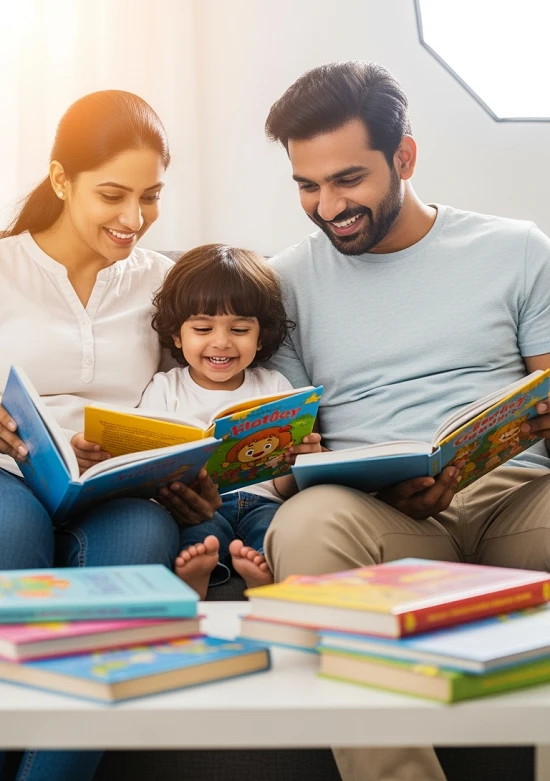
Indian family enjoying reading time together at home
Tips to Make Reading Fun and Consistent
- Set a routine: Dedicate a fixed time daily for reading, such as before naps or bedtime.
- Make it interactive: Ask questions about the story or illustrations and encourage your child to point, repeat words, or mimic actions.
- Rotate books: Introduce new titles regularly to maintain curiosity and prevent boredom.
- Create a cosy reading space: A quiet, comfortable corner makes reading enjoyable.
- Lead by example: Children imitate adults, so parents who read regularly encourage a lifelong reading habit.
Conclusion
Books are more than just entertainment; they are tools to build curiosity, creativity, and early learning habits. By carefully selecting age-appropriate story books, activity books, and immersive books, parents can create a nurturing environment that encourages exploration and a lifelong love for reading. Incorporating learning books, culturally relevant stories, and hands-on activity books for 2–3 year olds ensures that toddlers not only enjoy reading but also develop essential skills in a fun and engaging way.
Investing time in reading together today will set the foundation for confident, curious, and well-rounded children tomorrow.
Frequently Asked Questions
1. What type of books are best for 2–3 year olds?
Ans: Toddlers benefit from a mix of story books for 2–3 year olds, picture books for 2 year olds, activity books for 2 year olds, and board books for 2–3 year olds. Age-appropriate illustrations, simple text, and interactive elements make learning engaging.
2. Why is it important to introduce books at age 2–3?
Ans: Introducing books at this age helps develop language, cognition, concentration, and social skills. It also nurtures curiosity and a love for learning from an early stage.
3. How many books should a 2–3 year old read daily?
Ans: Even 10–15 minutes of reading daily can make a significant impact. Parents can read one or two short stories or engage in a few activities from activity books for 2–3 year olds.
4. Should I choose bilingual books for my 2–3 year old?
Ans: Bilingual books can support cognitive flexibility and language learning, particularly in India, where children often grow up learning multiple languages. Simple bilingual books with familiar words work best.
5. Are story books or activity books better for 2–3 year olds?
Ans: Both are important. Story books for 2 year olds develop language, imagination, and empathy, while activity books for 2 year olds improve fine motor skills and problem-solving abilities. A balanced mix ensures holistic development.