
Screens are everywhere today, from mobile phones to TVs to tablets.
Studies show that children under six spend more than two hours a day on them, often at the cost of valuable play and reading time.
But here’s the answer to ‘How to make kids love reading’: kids can fall in love with reading, even if they’re already hooked to gadgets. All it takes is the right approach, engaging stories, and a sprinkle of creativity.
Research by the American Academy of Pediatrics reveals that reading to children from infancy can significantly enhance their vocabulary and early literacy skills.
In fact, children’s books introduce nearly 50% more uncommon words than they would typically hear in everyday conversations, on television, or on the radio, making reading an irreplaceable tool for language development.
Why Loving Reading Matters More than Ever
How to make kids love reading is a question many parents ask, especially in today’s screen-filled world, where digital distractions are everywhere. Books are more than just stories; they’re stepping stones for a child’s overall development. Nurturing a genuine love for reading from an early age lays the foundation for lifelong learning and curiosity.
Here’s why:
- Reading helps children build stronger language skills by improving their vocabulary, pronunciation, and grammar in a natural, enjoyable way.
- Books require children to slow down and concentrate, developing their focus and imagination.
- Reading together isn’t just about the story, it’s about cuddles, laughter and shared attention, strengthening the emotional bond with parents.
- Early reading habits prepare kids for school, making it easier for children to recognise letters, understand sounds, and follow instructions.
For pre-primary children, developing a love for reading is just like laying the foundation of a house. Once strong, it supports all the future learning. That’s why introducing engaging storybooks and activity-based books early can make all the difference.
Books and Learning Tools that Make Reading Fun
A key part of discovering how to make kids love reading lies in selecting age-appropriate and engaging resources that captivate their imagination. Target Learning Ventures offers a wide range of pre-primary books and activity tools designed to spark curiosity and creativity in learning. Here are some brain-boosting options for your child:
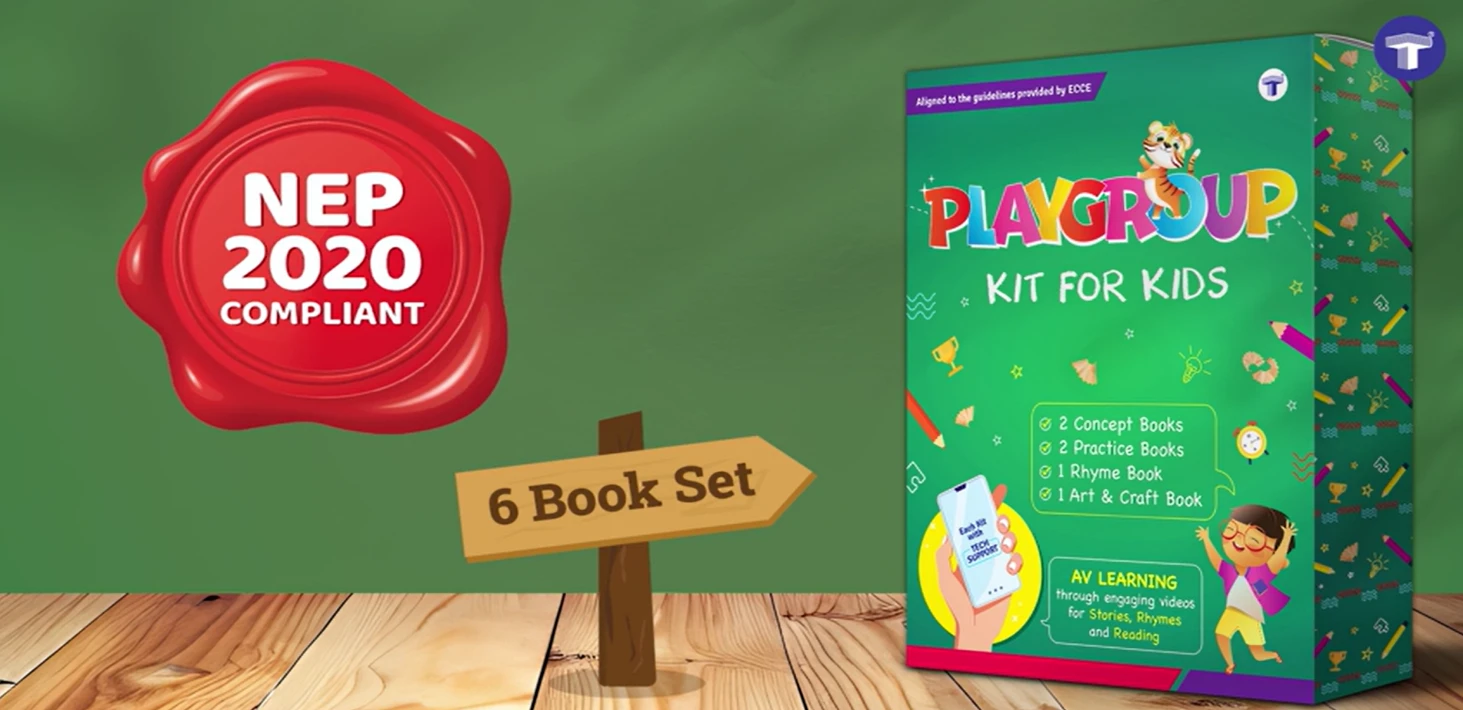
Activity set to make kids fall in love with reading
- Pre-Primary Books: Build a strong foundation with age-appropriate concepts and engaging illustrations.
- Alphabets Writing and Numbers Writing Books: Make handwriting practice enjoyable while developing early reading habits and numeracy skills.
- EVS and General Knowledge Books: Introduce children to the world around them through simple explanations and colourful visuals.
- Rhymes Books (English, Hindi, Marathi): Fun rhymes and poems that strengthen language skills and rhythm.
- Story Books: Short, engaging stories that inspire imagination and a love for storytelling.
- Jumbo Colouring Books and Activity Books: Creative outlets that combine fun with fine motor skill development.
- Cursive Writing and English Alphabet Books: Support smooth handwriting and early English language learning.
- Flash Cards and Charts for Kids: Interactive learning aids for quick recall of letters, numbers, and everyday concepts.
- Smart Box: Perfect bundles to make learning hands-on, intriguing and exciting.
- Kinder Trails Kits: All-in-one kits thoughtfully designed for every stage of pre-primary learning, blending stories, activities, and skill-building exercises.
With such a diverse collection, you can turn learning into a fun adventure, ensuring kids see books not just as lessons, but as companions in their early years, ultimately inducing them to love reading.
7 Practical Ways to Make Kids Love Reading
1. Create a Reading-Friendly Environment
When thinking about how to make kids love reading, it’s important to remember that just as children associate screens with fun and entertainment, they also need to associate books with comfort, joy, and excitement.
- Set up a cosy reading corner with cushions, colourful posters, and a small bookshelf.
- Place pre-primary books at their eye level so they can choose freely.
When books are always within reach, kids naturally get curious.
2. Start with Fun, Age-Appropriate Books
Handing a toddler a heavy classic novel is a recipe for boredom! Start with:
- Brightly illustrated storybooks.
- Rhymes, alphabet and phonics books.
- Activity-based pre-primary books with colouring, matching or sticker activities.
3. Be a Reading Role Model
Children copy what they see. If they see you scrolling on your phone, they’ll want to do the same.
But if they see you reading, even a magazine, they’ll imitate that too.
Make reading a visible habit at home. Show excitement when a new book arrives. The message is clear: books are fun, not boring!
4. Use Screens for Reading, Not Against It
Instead of making screens the enemy, use them as a bridge:
- Play audiobooks or animated read-alouds that match physical books.
- After a video story, read the same story from the book together.
This way, screens become stepping stones to books, not obstacles.
5. Turn Reading into a Bonding Ritual
Kids love attention more than gadgets. Make reading quality time:
- Read a bedtime story together every night.
- Use funny voices, actions, or sound effects.
- Let your child ‘read’ by describing pictures or turning pages.
When reading equals love, kids will crave books more than screens.
6. Connect Books with Real Life
Children stay engaged when stories link to their world.
If your child is learning about animals, pair storybooks with a zoo visit.
If they read about festivals, let them help decorate for Diwali or Christmas.
Target’s festival-themed pre-primary books combine cultural stories with fun activities. This connection makes reading feel alive and exciting.
7. Celebrate Small Wins
One simple yet powerful way to understand how to make kids love reading is through positive reinforcement.
Did your child finish their first storybook? Give a high-five or a sticker reward.
Did they choose a book over TV for 10 minutes? Celebrate with extra cuddle time.
Little rewards and accomplishments help kids build a joyful reading habit.
Common Challenges (and How to Overcome Them)
- ‘My child only wants TV’: Start with short, picture-heavy books. Even 5 minutes counts!
- ‘My child gets distracted quickly’: Break reading into small chunks. Use activity books that mix reading with drawing or puzzles.
- ‘My child says books are boring’: Let your child choose books themselves. Kids feel empowered when they pick what to read.
Conclusion:
In today’s digital-first world, making children fall in love with reading is one of the greatest gifts parents can give. By creating engaging routines, introducing age-appropriate pre-primary books, and turning story-time into bonding moments, parents can discover countless ways to create a reading habit that lasts a lifetime. Remember, there are many fun and practical ways to make kids love reading, from interactive storybooks and colourful activity books to family reading rituals that replace screen time with imagination. Most importantly, it’s about making reading fun, so that books feel like a source of joy rather than a chore. With the right approach and the right books, every child can grow up to cherish reading as a lifelong friend.
Frequently Asked Questions (FAQs)
1. What is the best age to start reading with kids?
Ans: You can start as early as infancy! For pre-primary children, colourful picture books and interactive activity books are ideal.
2. How do I get my child to choose books over screens?
Ans: Make books easily available, fun, and part of daily rituals. Involve them in picking books that match their interests.
3. Are pre-primary books helpful for reading habits?
Ans: Yes. Pre-primary books combine simple text, pictures, and activities, making reading exciting and accessible for young learners.
4. How to get children to read when they refuse?
Ans: Offer them fun, age-appropriate books of their choice, read aloud together with them and try making the experience playful rather than forced.
5. How much time should my pre-primary child spend reading?
Ans: Even 10–15 minutes a day builds a strong reading habit. Gradually increase the time as they get more engaged.