
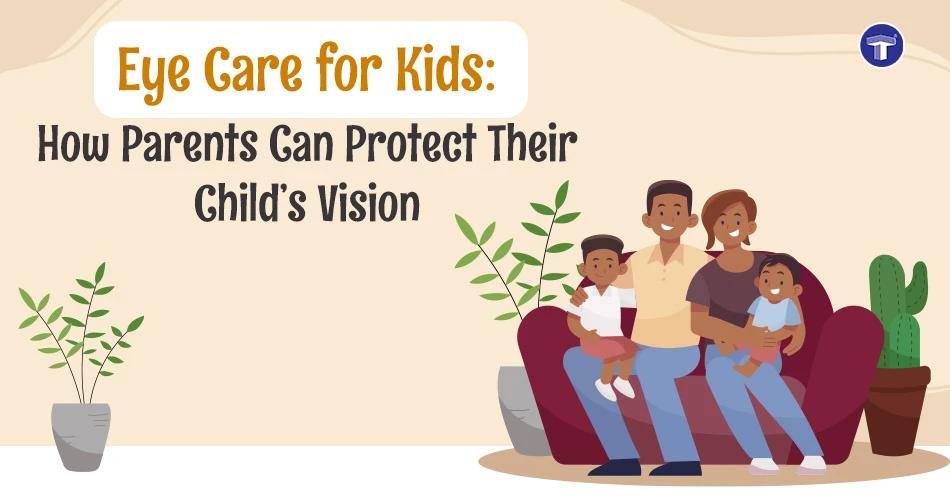
Children discover the world through their eyes long before they learn words or numbers. They recognise faces, follow pictures, notice colours, and slowly make sense of their surroundings. Because these moments feel natural, eye care often goes unnoticed until a problem appears.
Today, screens are part of everyday life, even for young children. While technology has its place, it also means parents need to be more mindful than ever. Protecting a child’s vision is not about strict rules or fear. It is about building simple habits that quietly support healthy eyesight as children grow.
Why Eye Care is Important in Early Childhood
- Supports learning and attention: Clear vision helps children focus on books, activities, and classroom tasks without frustration.
- Affects posture and movement: Vision problems can lead to poor posture, head tilting, or avoidance of fine motor activities.
- Builds confidence during early learning: When children see clearly, they participate more freely and feel comfortable exploring new tasks.
Protecting a child’s vision early supports both learning and emotional comfort.
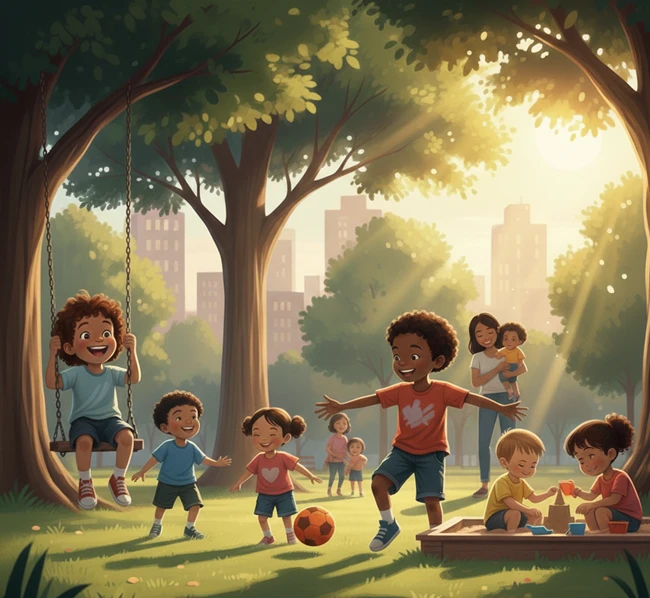
Children playing together at the park
Common Vision Problems Parents Should Watch For
Children may not always explain what they are experiencing, so observing them matters.
- Frequent eye rubbing or blinking: Can indicate strain, dryness, or discomfort in the child’s eyes.
- Sitting too close to books or screens: Often a sign that the child is struggling to see clearly.
- Squinting or tilting the head: May suggest difficulty focusing or aligning vision.
- Avoiding close-up activities: Some children withdraw from reading or colouring due to eye fatigue.
Noticing these signs early helps parents take timely steps toward their child's eye care.
Simple Tips for Parents to Protect Kids’ Eyesight at Home
As per Orbis’s ‘Status of Child Eye Health in India: A Comprehensive Report’, an estimated 1 in 1000 children between 0-15 years are blind in India. Nearly 85% of blindness cases are preventable, highlighting the importance of early eye care, awareness, and timely action to protect eye health.
Protecting kids’ eyesight starts at home with small, everyday habits that support healthy vision. Find below some simple changes in screen use, lighting, and daily activities, that can help parents protect their child’s vision early on.
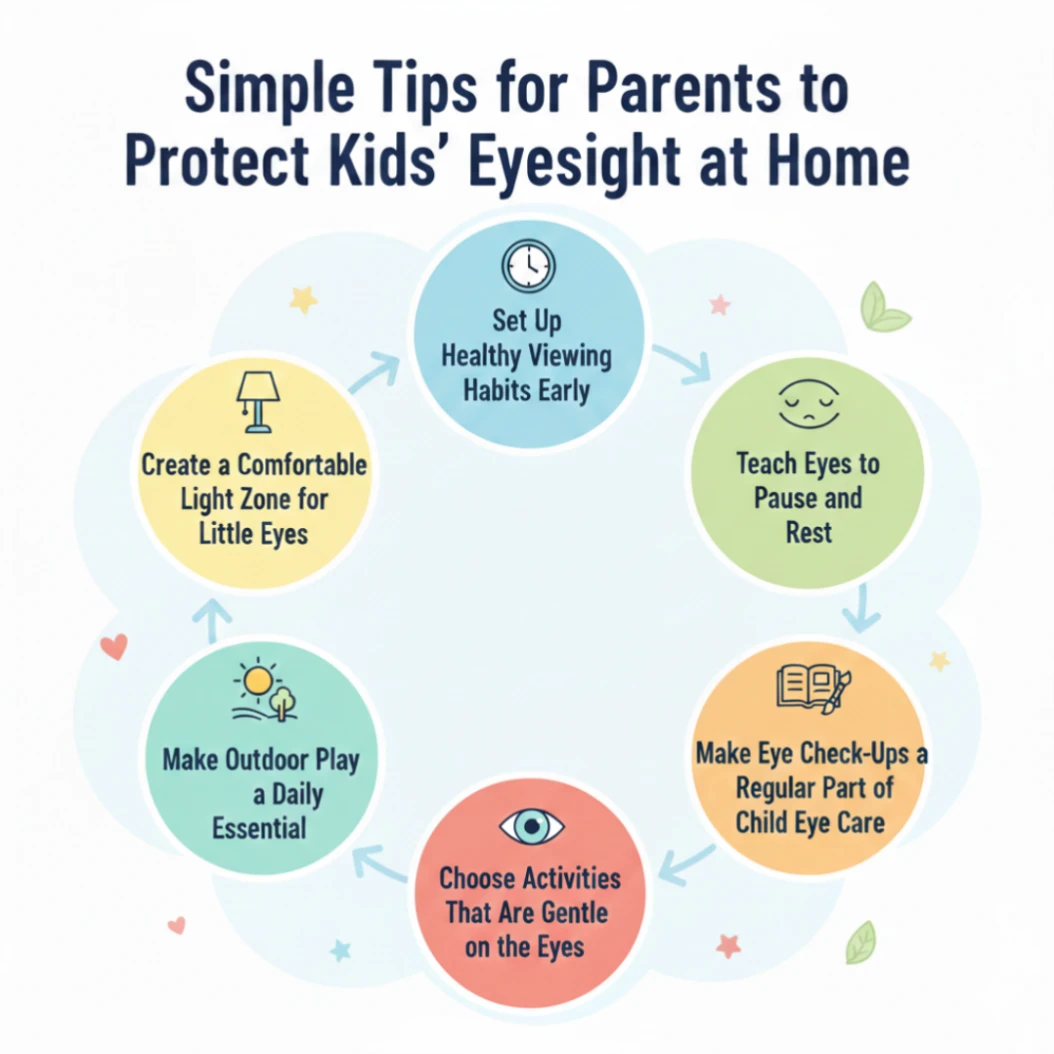
Tips for Parents to Improve Their Child’s Vision
1. Create a Comfortable Light Zone for Little Eyes
- Use soft, even lighting for reading, colouring, or homework so your child’s eyes do not have to work harder to focus.
- Avoid glare from screens or harsh overhead lights, as this can cause eye strain and discomfort over time.
2. Set Up Healthy Viewing Habits Early
- Encourage your child to sit upright instead of leaning very close to books or devices while reading or drawing.
- Children must maintain a comfortable distance between the eyes and screens to support better posture and protect their vision.
- Remind your child to take short breaks from screens by looking away or blinking slowly for a few seconds. These small pauses help relax eye muscles and reduce digital eye strain in kids.
3. Make Outdoor Play a Daily Essential
- Outdoor activities allow children to focus on distant objects, which supports healthy eye development.
- Natural light during outdoor play helps balance the effects of watching close-up activities on the children’s eyes.
4. Make Eye Check-Ups a Regular Part of Child Eye Care
- Schedule early and routine eye exams to detect vision problems in children that may not be visible during daily activities or play.
- Regular eye check-ups support smooth learning experiences and reassure parents that their child’s vision is developing healthily over time.
5. Choose Activities that are Gentle on the Eyes
- Encourage eye-friendly activities like colouring, puzzles, and reading printed books instead of constant screen use.
- These activities support visual tracking and focus without exposing children to screen glare.
Nutrition and its Role in Child Eye Care
Diet quietly supports eye health from within. Simple food choices can strengthen a child's eye care naturally.
- Vitamin-rich foods support vision: Fruits and vegetables help maintain healthy eyesight.
- Healthy fats improve eye comfort: Omega-3 sources support moisture and eye function.
- Balanced meals support overall eye development: Consistent nutrition reduces the risk of deficiencies that affect a child’s vision.
Conclusion
Protecting a child’s vision does not require dramatic changes. It begins with awareness and small choices made every day. When parents stay attentive to habits, screen use, and early signs, children benefit quietly and consistently.
By creating an eye-friendly environment at home, parents support not only healthy eyesight but also smoother learning and greater comfort. These simple efforts help protect a child’s vision and set the foundation for their lifelong visual well-being.
Frequently Asked Questions (FAQs)
1. Is too much screen time harmful for kids’ eyes?
Ans: Excessive screen time can cause digital eye strain in kids, leading to tired eyes, dryness, and poor focus. Balanced screen use, frequent breaks, and offline activities help reduce long-term strain on children’s eyes.
2. What are the early signs of vision problems in children?
Ans: Early signs of vision problems in children include squinting, frequent eye rubbing, blinking often, headaches, sitting too close to screens or books, and avoiding activities like reading or colouring that require visual focus.
3. At what age should children have their first eye check-up?
Ans: Children should ideally have their first eye check-up during early childhood, even if no symptoms are visible. Early eye exams help detect hidden issues and support healthy vision development from the start.
4. Can outdoor play really help protect a child’s vision?
Ans: Yes, outdoor play supports healthy eye development by allowing children to focus on distant objects in natural light, which helps reduce eye strain and lowers the risk of vision problems caused by prolonged near work.
5. How does reading and colouring affect children’s eyesight?
Ans: Reading and colouring are eye-friendly activities when done with proper lighting and posture. They support visual tracking and focus without the glare of screens, making them beneficial for eye care for kids.
6. Can eye exercises improve eyesight in kids?
Ans: Eye exercises may help reduce eye fatigue and improve comfort, but they do not correct vision problems. Regular eye care, balanced screen use, and professional eye check-ups are more effective for protecting children’s vision.