

It’s 5:00 p.m. You’ve run out of snacks, out of ideas, and your preschooler still has the energy of a rocket ship. What now?
If you're a parent of a preschooler, you've likely had this moment. That’s when a good activity book becomes your best ally, striking the perfect balance between fun and function.
In this guide, we’ll explore the best activity books for preschoolers in 2025, why they matter more than ever, and how to choose the right one for your little learner.
What are Activity Books for Preschoolers?
Activity books are interactive, hands-on books filled with games, puzzles, tracing, colouring, matching, and creative challenges. They're specially designed for early learners aged 3–6 years to help them explore, think, and play—all while building key skills.
Why Activity Books Matter (More Than You Think)
Activity books do more than just keep little hands engaged, they help nurture essential developmental skills. Here are a few key areas they support:
- Fine motor skills through tracing and cutting
- Early literacy and math via letter and number activities
- Focus and patience with puzzles and mazes
- Creative thinking with drawing and storytelling prompts
“My 4-year-old now waits for his ‘puzzle time’ after lunch. It’s our calm-down moment.” — Rhea, mom of two
Best Activity Books for Preschoolers in 2025 (Parent-Approved Picks)
Here are our top recommended books, each tried, tested, and loved by both kids and parents:
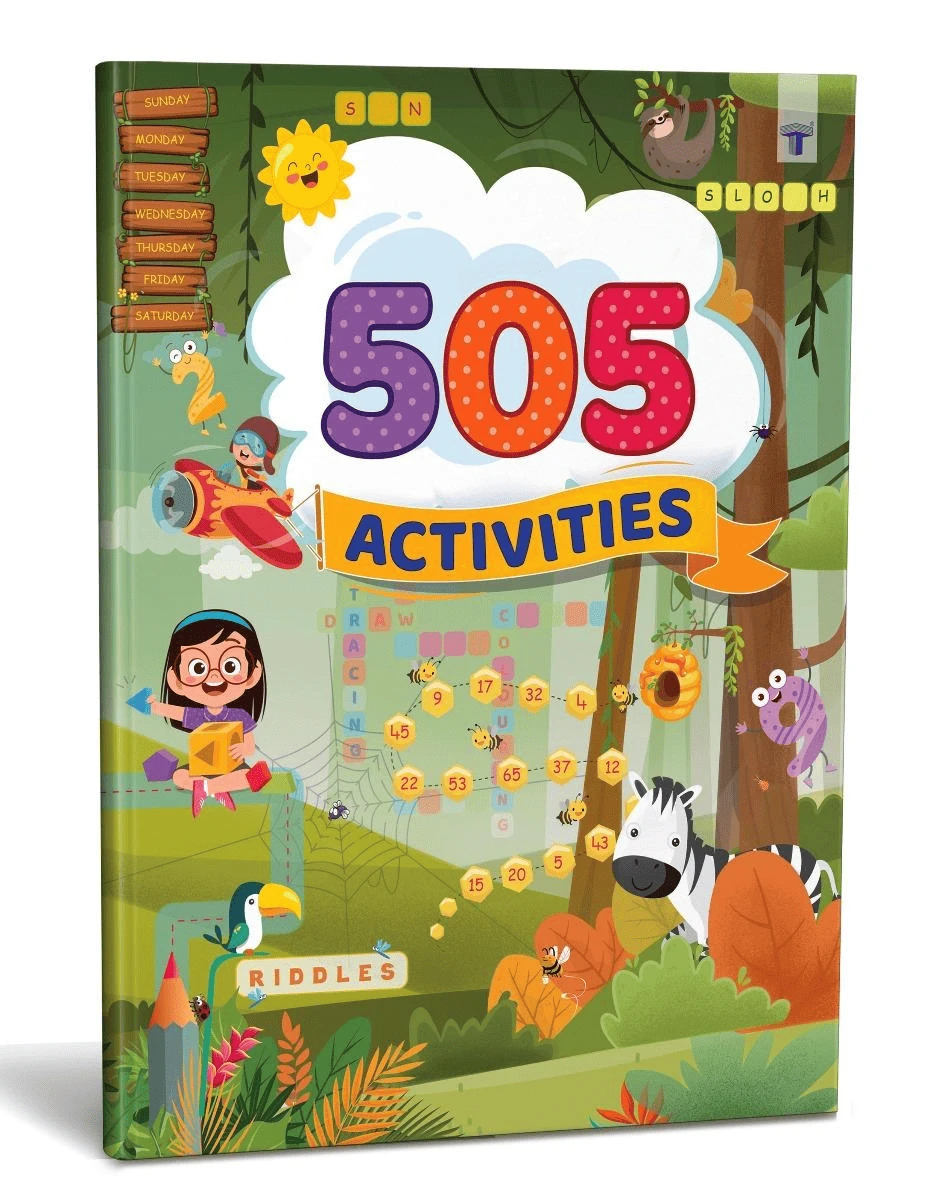
Nurture 505 Activities Book
1. Nurture 505 Activities
Key Skills Learned: Visual logic, motor skills, pattern recognition
Why Parents Love It: Designed by educators for ages 3–6, this book is colourful, structured, and promotes independent play with various fun activities like Art and Craft, GK, Puzzles, Brain Teasers, Crosswords, Join the Dots, Drawing and Colouring.
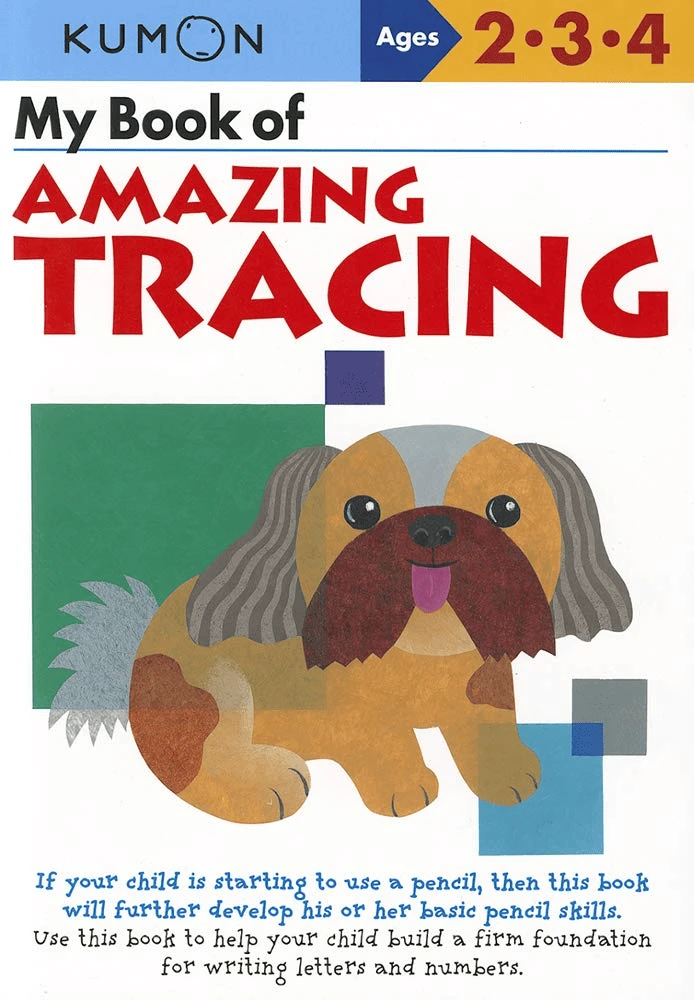
My Book of Amazing Tracing
2. Kumon Workbooks: Tracing, Cutting, and Numbers
Key Skills Learned: Pre-writing skills, number recognition, coordination
Why Parents Love It: Sequential progression makes it easy to build skills step-by-step. Great for beginners.
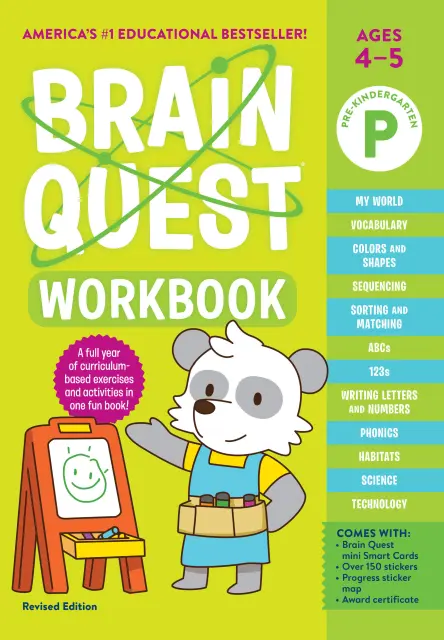
Brain Quest Workbook
3. Brain Quest Preschool Workbook
Key Skills Learned: Early math, vocabulary
Why Parents Love It: Packed with 300+ activities and colourful illustrations. It feels like a game, not homework.
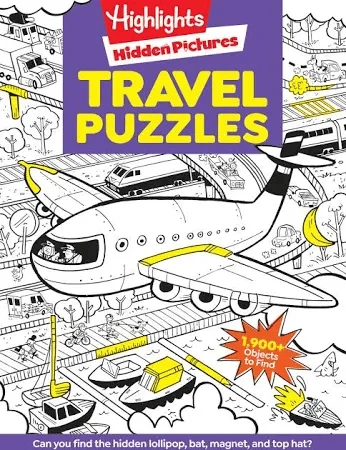
Highlights Hidden Pictures and Travel Puzzles
4. Highlights Hidden Pictures and Travel Puzzles
Key Skills Learned: Focus, visual scanning, visual memory
Why Parents Love It: A classic that never gets old. Perfect for quiet time or travel.
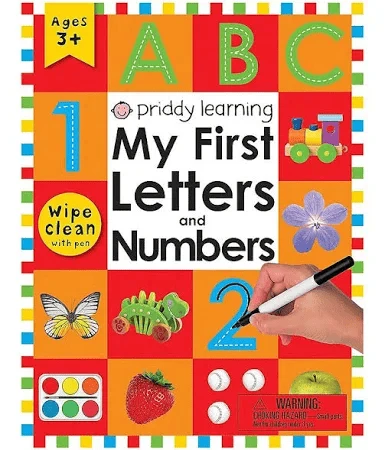
My First Letters and Numbers
5. Wipe-Clean First Letters and Numbers by Priddy Learning
Key Skills Learned: Handwriting, letter/number recognition
Why Parents Love It: Reusable pages with wipe-clean pens mean no waste and unlimited practice.
Related read: Monsoon Special - 7 Indoor Activities for Kids to Try

What to choose?
How to Choose the Right Book for Your Child
Not all books are created equal. Here’s how to pick the right one:
✅ Match to their age: 3-year-olds may need simple tracing; 5-year-olds may enjoy puzzles and math games.
✅ Mix it up: Choose books that offer both creativity (drawing, storytelling) and logic (mazes, matching).
✅ Look for extras: Stickers, storytelling prompts, or wipe-clean features keep them engaged longer.
✅ Reusable = Smart: Books that can be used again and again offer more value.
“There is no substitute for books in the life of a child.”
— Mary Ellen Chase (educator and author)
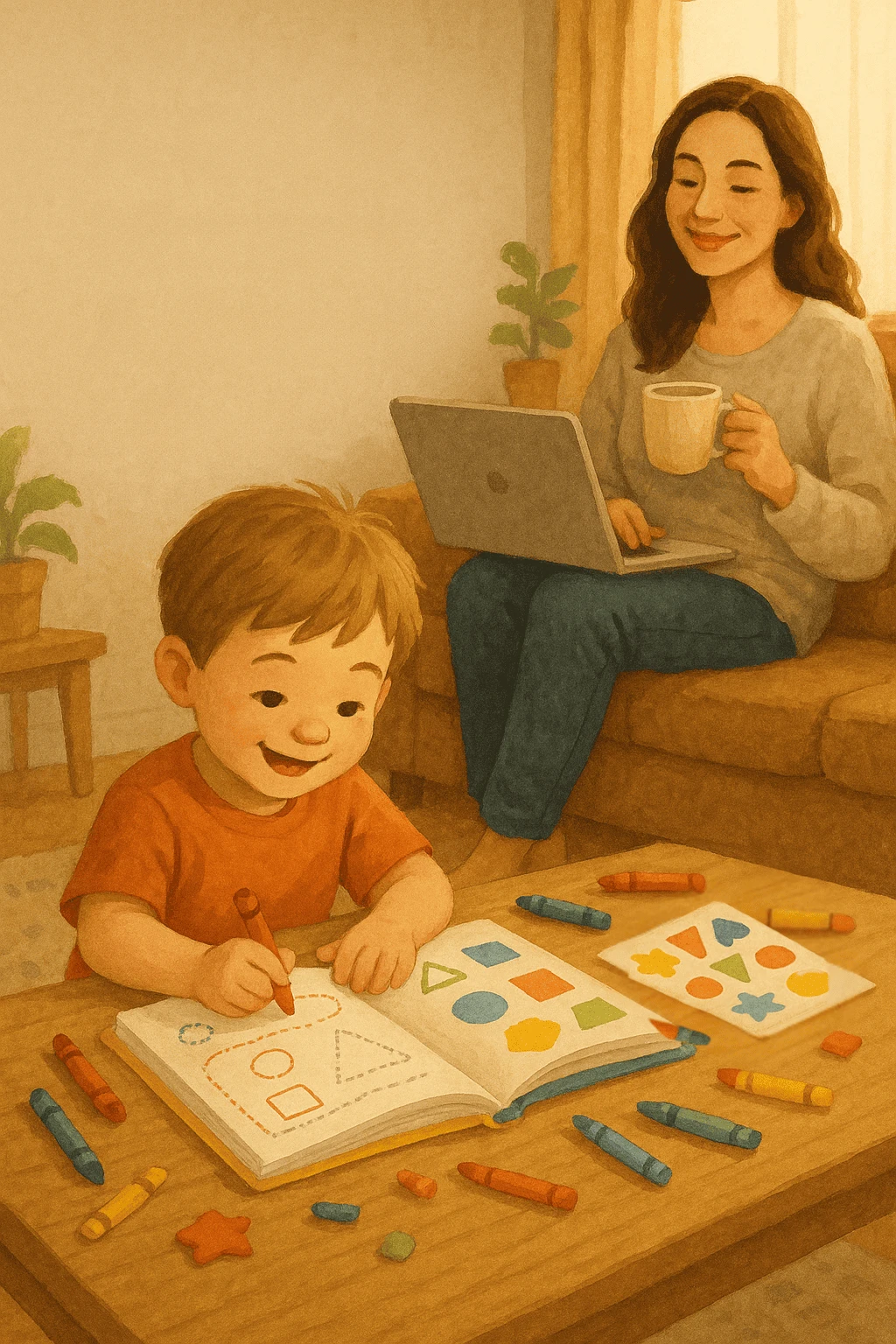
Mom’s break time, child’s learning time. Win-win!
Final Thoughts
In a world full of noise and notifications, activity books bring something rare: quiet joy. They create space for bonding. They help little hands build big dreams. And they remind us that learning doesn’t have to shout—it can happen in the quiet hum of a crayon on paper.
Tried any of these books? Tell us your favorite in the comments below!
Frequently Asked Questions (FAQs)
1. Can activity books replace screen time for kids?
Ans: Yes! Activity books like Nurture 505 offer screen-free learning and entertainment, helping kids stay engaged while developing essential skills.
2. What makes a good activity book for toddlers and preschoolers?
Ans: Look for books that are age-appropriate, varied in activities (creative + logical), reusable, and come with fun features like stickers or wipe-clean pages—just like Nurture 505 Activities.
3. How do I know if my child is ready for an activity book?
Ans: If your child is starting to hold a crayon, show curiosity, or enjoy hands-on play, they’re ready! Kids as young as 2 years can benefit from simple, guided activities.
4. What types of skills do activity books build besides academics?
Ans: Beyond ABCs and 123s, good activity books build problem-solving, patience, concentration, and emotional expression through fun, hands-on tasks.
5. Should I sit with my child while they do an activity book?
Ans: For younger kids (ages 3–6), it’s helpful to guide and engage with them. As they grow, they’ll gain more independence and confidence to explore on their own.
6. Can activity books support speech and language development?
Ans: Yes! Storytelling prompts, vocabulary games, and picture-based tasks in activity books encourage early communication skills and expressive language.
Important links
| How to Plan a Daily Routine for Preschoolers | Easy Origami for Kids – Fun, Benefits & Step-by-Step Guide |