
Watching your little one cling to you at preschool drop-off, a playdate, or even with a caregiver can be heartbreaking. Separation anxiety in preschoolers is a normal part of early childhood development, but that does not make it any less stressful for parents. The good news is that there are practical, effective strategies that can make these transitions calmer for both you and your child. In this post, we share 10 proven ways to ease your preschooler’s separation anxiety, helping your child feel safe, secure, and confident while you’re apart.
Understanding Separation Anxiety in Preschoolers
Separation anxiety usually appears between the ages of two and five. At this stage, children start to understand that they are separate individuals from their parents. This understanding can trigger worry when apart from their primary caregivers. While it is a normal developmental phase, intense or prolonged anxiety can make mornings stressful, disrupt routines, and affect socialisation.
If you see your child struggling with this, naturally, the next question you might have in mind is, ‘How can I help my preschooler with separation anxiety?’ The key is empathy, consistency, and strategies that gradually build your child’s confidence. Below are ten approaches that parents and experts recommend for easing anxiety.
1. Establish a Consistent Goodbye Routine
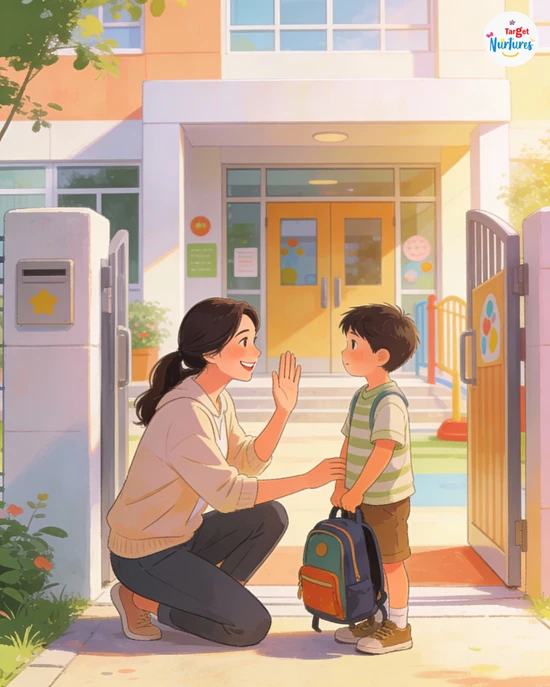
Consistent goodbye routines ease separation anxiety
Children thrive on consistency. A simple, predictable goodbye routine helps your preschooler understand what to expect every day. This could be a special hug, a wave at the door, or a short phrase like, ‘See you later, alligator.’ Over time, these cues reassure your child that you will return.
Ways to make goodbyes feel safe and loving:
- Keep routines short and positive, letting your child feel your confidence
- Say goodbye openly instead of sneaking away, so your child trusts you will return
- Use the same words or gestures each day to create a comforting, familiar rhythm
2. Practice Short Separations at Home
Gradually introducing brief separations at home helps children gain confidence. Start by leaving the room for a few minutes and slowly increase the time. These small steps are an effective separation anxiety technique that makes preschool or daycare drop-offs less stressful.
Gentle ways to help your child feel secure during short separations:
- Step into another room while your child plays, showing them they can feel safe without you nearby
- Invite a trusted adult to spend a few minutes with them, giving your child a sense of familiar support
- Celebrate every small success with praise, letting your child know you are proud of their bravery
3. Encourage Independence Through Small Tasks
Fostering independence helps preschoolers feel capable and secure. Completing small tasks independently can reduce separation anxiety symptoms and build self-confidence.
Simple ways to help your child feel confident and independent:
- Encourage them to put on their shoes or coat by themselves, celebrating their small victories
- Let your child choose their snack or activity, showing trust in their decisions
- Invite them to tidy up toys after playtime, fostering a sense of responsibility and accomplishment
Every small success is a step toward confidence, teaching your child that they can cope and thrive even when you are not right beside them.
4. Read Books About Separation
Children often learn best through stories. Reading books about separation anxiety helps your preschooler understand their feelings and see examples of coping strategies. Choose stories where characters successfully manage their worries.
Ways to make storytime a comforting, learning experience:
- Talk with your child about how the character feels and the choices they make, helping your child recognise their own emotions
- Ask your child how they might handle a similar situation, giving them a safe space to explore feelings
- Encourage role play based on the story, letting your child practise coping skills in a fun and supportive way
5. Use Comfort Objects
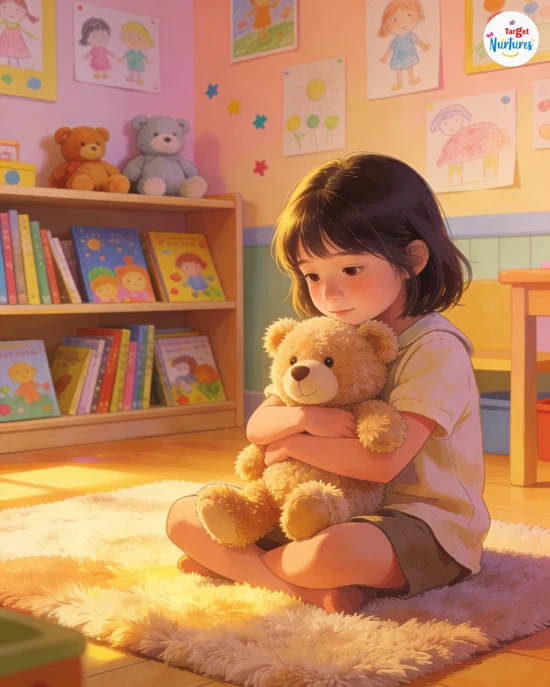
Comfort objects support separation anxiety coping
A comfort object, such as a small toy, blanket, or family photo, can provide reassurance during separations. These familiar items remind children of home and help them feel secure when you are away.
How to make comfort objects truly reassuring:
- Let your child pick the object themselves, giving them a sense of ownership and security
- Encourage them to hold or look at it during drop-offs, reminding them of home and your love
- Use the object as a gentle support, not a substitute, so your child learns to feel safe while gradually building independence
A comfort object can become a small anchor of reassurance, helping your preschooler face separations with confidence and calm.
6. Maintain Calm and Confident Behaviour
Children pick up on parental emotions. Demonstrating calm, confident behaviour during drop-offs reassures your preschooler that everything is safe.
What helps your child feel safe:
- Keep goodbyes short and positive, showing your child that being apart is okay
- Smile and make gentle eye contact, reassuring them with your calm presence
- Speak lovingly about coming back, so your child knows you will always return
What can increase anxiety:
- Long, emotional explanations that may overwhelm your child
- Leaving without saying goodbye can break trust and make separations harder
A warm and confident farewell gives your preschooler security, helping them face separations with courage and calm.
7. Gradually Introduce New Environments
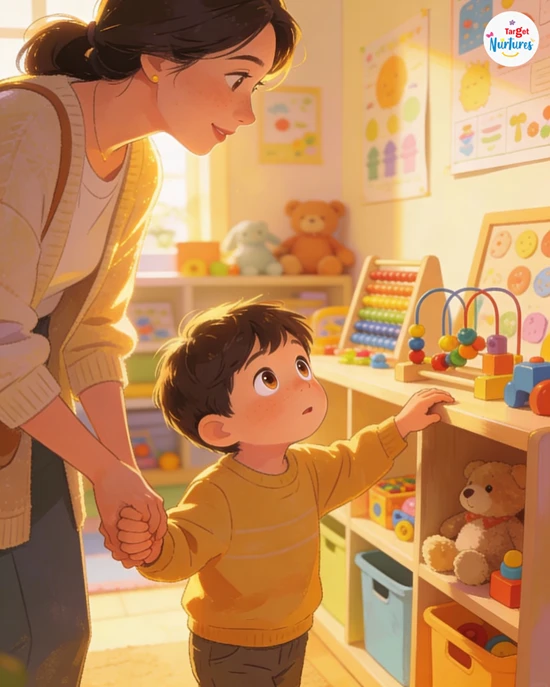
Gradual transitions reduce separation anxiety stress
Sudden changes can heighten separation anxiety in preschoolers. Gradually introducing your child to new environments or caregivers allows them to adjust comfortably.
Gentle ways to help your child feel comfortable in new environments:
- Visit the preschool or playgroup together before the first day, letting your child explore with you by their side
- Arrange short visits with trusted caregivers or friends, giving your child a sense of familiar support
- Attend orientation sessions or parent-child activities, so your child can gradually get used to the new setting
Gradual, supportive introductions help your preschooler feel safe, making transitions smoother and building confidence in unfamiliar places.
8. Communicate Openly About Feelings
Helping your preschooler recognise and express emotions is a key separation anxiety coping strategy. Open communication validates their feelings and gives them tools to manage their worries.
How to encourage emotional expression:
- Name feelings: ‘I see you feel sad because I am leaving’
- Use drawing or role play to express emotions
- Reassure your child that it is normal to feel anxious sometimes
9. Avoid Negative Language or Punishments
Reacting negatively can worsen separation anxiety behaviour. Avoid saying, ‘Stop crying’ or ‘You are being silly,’ as this can make your child feel ashamed.
Support your child’s emotions in positive ways:
- Gently acknowledge their feelings, letting your child know it’s okay to feel sad or worried
- Encourage and reinforce small moments of bravery, helping them see they can cope
- Celebrate calm behaviour, even in tiny steps, to build confidence and reassurance
Showing empathy and praise helps your preschooler feel understood and secure, making separations easier over time.
10. Seek Professional Guidance When Needed
Mild separation anxiety is a normal part of growing up, but if your child experiences strong or lasting distress, seeking support can make a big difference. A child psychologist or counsellor can offer gentle, personalised guidance, helping your preschooler feel safe, understood, and confident while preventing anxiety from becoming overwhelming.
When it may help to seek professional guidance:
- Your child shows persistent distress that lasts more than a few weeks, despite gentle support at home
- They experience physical symptoms such as stomach aches, headaches, or trouble eating or sleeping
- Anxiety begins to interfere with daily activities like play, school, or social interactions
Seeking guidance early can provide extra support, helping your preschooler feel safe, understood, and more confident during separations.
Conclusion

Confidence grows beyond separation anxiety
Separation anxiety in preschoolers is a common, natural stage of development. By using strategies to ease separation anxiety, such as consistent routines, short practice separations, comfort objects, reading supportive books, and maintaining calm, confident behaviour, you can help your child navigate this stage with confidence.
Every child is unique, so it may take a combination of approaches to find what works best. Engaging in open conversations, practising gradual separations, and seeking professional support when necessary ensures your preschooler develops resilience and trust.
By implementing these 10 proven ways to ease preschooler separation anxiety, you are helping your child cope with daily transitions. You are also strengthening the parent-child bond. This creates a foundation of security that will benefit them for years to come.
FAQs
1. What causes separation anxiety in preschoolers?
Ans: Separation anxiety in preschoolers is caused by a child’s growing awareness of separation from their primary caregiver. New routines, unfamiliar environments, developmental stages, and changes at home can intensify these feelings.
2. At what age does separation anxiety usually peak?
Ans: Separation anxiety commonly peaks between ages two and five. While it is a normal developmental phase, some preschoolers may experience stronger or longer-lasting anxiety depending on temperament and environment.
3. How long does preschool separation anxiety last?
Ans: For most children, preschool separation anxiety improves within a few weeks once routines become familiar. Consistent strategies, reassurance, and patience play a key role in easing symptoms over time.
4. What are the most effective strategies to ease separation anxiety?
Ans: Effective strategies to ease separation anxiety include consistent goodbye routines, gradual separations, comfort objects, calm parental behaviour, and open communication about feelings.
5. When should parents seek help for separation anxiety symptoms?
Ans: Parents should consider professional support if separation anxiety symptoms persist for several weeks, worsen over time, or interfere with daily activities such as school attendance, sleep, and/or social interaction.