
The magic isn't in following lines, it's in making them. We often see a child with a crayon as simply enjoying a fun pastime. But the real gold for a developing mind lies in the blank page. When a child grabs a tool and faces that vast white space, they aren't just doodling; they are creating something that has never existed before.
This raw, unfiltered act of drawing is a direct connection to their inner world, building a colossal imagination, developing emotional intelligence, and forging unbreakable confidence. Forget the idea that drawing is play; it's time to recognise this foundational life skill for the powerful developmental tool it truly is.
And imagination is the first place where these changes begin.
How Drawing Boosts Imagination and Creative Thinking
Children have wonderfully wild minds. Drawing gives them the freedom to bring those ideas to life. From drawing their pet dog to a character from a favourite show, their imagination blossoms. This creative play is one of the strongest benefits of drawing.
Plus, let's be honest, sometimes their drawings are so abstract that only the child knows what it is. And we nod proudly like, Of course love, that circle with legs is obviously mummy doing yoga.
This is why many parents introduce drawing books for kids to spark new ideas, and that’s okay, too.
Imagination flows straight into another benefit, growing confidence.
How Drawing Builds Confidence in Young Children
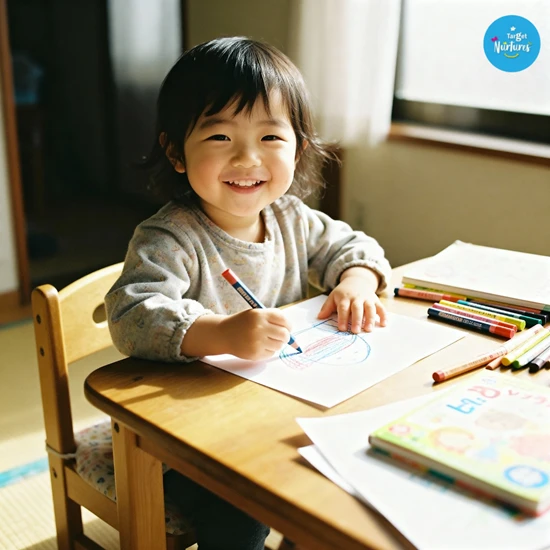
Creative child exploring the benefits of drawing
Every time your child completes a drawing, mixes colours, or tries a new technique, they feel a tiny boost of self-belief. They start realising, I can make things, I can create something myself. This confidence grows sketch by sketch and when their artwork goes straight to the fridge gallery, confidence doubles instantly.
This emotional boost naturally connects to another important benefit.
Drawing Helps Children Express Emotions More Clearly
Children do not always know how to explain big feelings. Drawing gives them a quiet, gentle way to express joy, frustration, curiosity, or excitement. A child who draws regularly improves emotional clarity and communication. Parents often notice their children feel calmer and more regulated after a creative session. This emotional release also highlights the importance of drawing in early development.
Why Drawing Improves Focus, Patience, and Problem Solving
Sitting down to draw teaches children to concentrate on one task. They observe shapes, make choices, and practise sticking with something until it feels finished. This boosts patience and builds problem-solving skills in a natural, play-focused way. Drawing also encourages children to figure out solutions creatively, which is a skill they use in schoolwork and life.
Better focus supports stronger motor development, which is essential at preschool age.
Drawing Strengthens Fine Motor Skills Needed for Writing
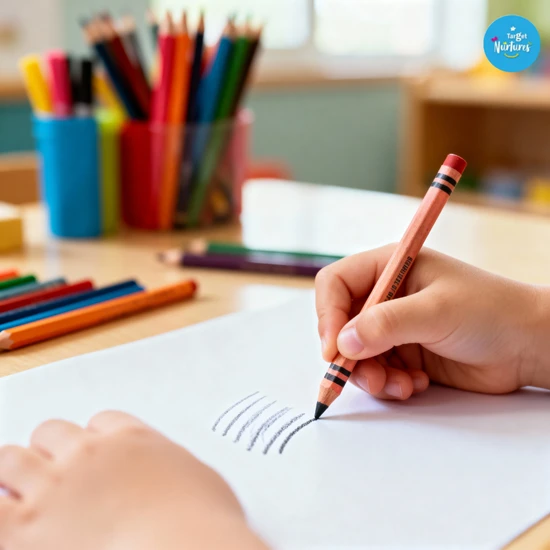
Fine motor skills activities for preschoolers drawing
When children hold crayons, pencils, or markers, they are building essential hand muscles. These fine motor movements are the foundation for writing, cutting, and daily tasks. Drawing is one of the most effective fine motor skills activities for preschoolers, because it feels fun rather than instructional. The more they draw, the more coordinated and confident they become.
Drawing Encourages Curiosity and Independent Thinking
Drawing turns children into little explorers. They mix colours, experiment with patterns, ask questions, and try new ideas without fear of being wrong. This curiosity builds independence and flexible thinking.
Conclusion: The Benefits of Drawing Stay With Children for Life

Parent-child drawing boosts confidence and creativity
Drawing is far more than a hobby. It helps children build confidence, express emotions, strengthen motor skills, and think creatively. Understanding the deep importance of drawing makes it clear why this simple activity plays such a big role in children's development. Encourage your child to draw a little each day, and you will see imagination turn into confidence, curiosity, and joy.
FAQs
1. At what age should parents introduce drawing to children?
Ans: Parents can introduce drawing as early as 12 to 18 months using safe, chunky crayons. At this stage, toddlers enjoy making random marks, which is an early sign of how drawing helps children's development. As they grow, drawing becomes a wonderful way to build creativity, expression, and the long-term benefits of drawing.
2. What are some signs that drawing is benefiting a child’s emotional development?
Ans: You may notice your child seems calmer after drawing, expresses feelings through colours, or uses art to talk about their day. These are strong indicators that drawing supports emotional intelligence. This is also why many experts highlight the importance of drawing for young children's well-being. If your child reaches for crayons during big emotions, it is working.
3. What materials should beginners use, crayons, pencils, or markers?
Ans: For beginners, crayons are ideal because they help strengthen finger muscles safely. As children grow, you can introduce pencils for better control and markers for fun colour exploration. Using a mix keeps children excited about creating and naturally builds several fine motor skills activities for preschoolers, while strengthening the overall benefits of drawing.
4. How is drawing different from colouring when it comes to child development?
Ans: Colouring helps children practise focus, patience, and neatness, while drawing builds imagination, decision-making, and storytelling skills. Drawing also contributes more deeply to how drawing helps children's development because it encourages original thinking. Both activities are valuable, but freehand drawing offers a wider range of developmental growth.
5. Can drawing activities help improve handwriting skills later?
Ans: Yes, absolutely. Drawing strengthens hand muscles, grip control, and wrist movement, all of which are essential for neat handwriting. This is why educators often use drawing as part of fine motor skills activities for preschoolers. Strong drawing habits make writing smoother, more confident, and more enjoyable for children.
6. Are structured drawing books better than freehand drawing for young kids?
Ans: Both have their place. Drawing books for kids offer guided prompts that build technique, confidence, and familiarity with shapes. Freehand drawing, on the other hand, encourages pure creativity and independence. The best approach is a balance. Together, they maximise the benefits of drawing and support the overall importance of drawing in early learning.