
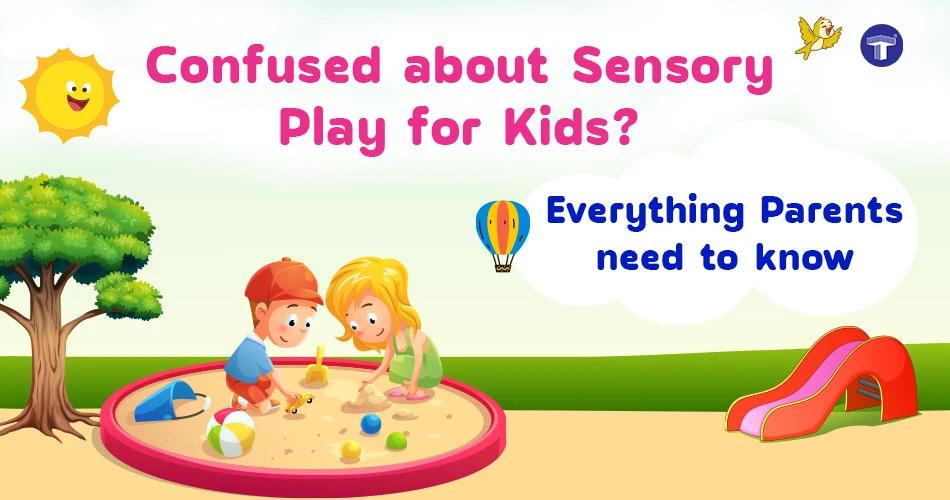
Have you been hearing the term sensory play everywhere lately? Maybe from other parents, teachers, or while scrolling through social media to find yourself reading about sensory activities for preschoolers, and wondering what is sensory play?
You might have even looked it up before, only to find explanations that felt too technical, overwhelming, or just… incomplete.
You’re not alone.
If you’ve ever seen a child happily playing with sand, splashing water, squishing dough, or even just running their fingers through rice, you’ve already seen sensory play in action.
Let’s simplify it.
In this blog, we’re going to break down what sensory play really is, where it comes from, why it is important, and how you can easily bring it into your child’s daily routine (without overcomplicating your life).
What is Sensory Play?
At its core, sensory play is any activity that stimulates a child’s senses. These include touch, sight, sound, smell, taste, movement, and body awareness.
In simple terms, it’s learning through the senses.
The idea of sensory play for kids isn’t new. It’s deeply rooted in early childhood education philosophies developed by experts like Maria Montessori, who believed that children learn best through the Montessori method. Over time, educators and researchers expanded on this concept, recognising that sensory play for preschoolers is essential for brain development, especially in the early years.
So, sensory play activities aren't just ‘playtime.’ It’s actually a child’s natural way of exploring and understanding the world around them.
Why is Sensory Play Important for Kids?
Now that we know what it is, let’s talk about why it matters so much, because the idea behind sensory play goes far beyond keeping kids entertained.
1. Builds Brain Connections
When children engage in sensory play activities, their brains are working overtime. Every texture they feel, sound they hear, or movement they make strengthens neural pathways. This is especially crucial during early childhood development when the brain is growing rapidly.
2. Enhances Fine and Gross Motor Skills
Simple actions like pouring water, picking up small objects, or kneading dough help develop fine motor skills. Meanwhile, activities like jumping, balancing, or spinning support gross motor development.
These skills are foundational for everyday tasks like writing, buttoning clothes, or even playing sports later on.
3. Encourages Problem-Solving and Creativity
Sensory play for toddlers is open-ended, there’s no ‘right’ or ‘wrong’ way to do it. This allows children to experiment, explore, and think independently.
For example, when a child mixes colours or builds something with sand, they’re naturally learning cause and effect, decision-making, and creative thinking.
4. Supports Language Development
You might not realise it, but sensory play for infants is a great way to build vocabulary. Words like soft, rough, sticky, cold, heavy become meaningful when children experience them firsthand.
For teachers and parents, this creates a natural opportunity to engage in conversations and expand a child’s language skills.
5. Helps with Emotional Regulation
Ever noticed how calming it is for a child to play with clay or water? Sensory play activities can be incredibly soothing. They help children manage big emotions, reduce anxiety, and improve focus.
This is especially helpful for children who get overwhelmed or have sensory processing challenges.
6. Encourages Independent Play
One of the biggest wins for parents, sensory play keeps children engaged. Since these activities are immersive, kids tend to stay focused longer, giving them a chance to explore independently.
How to Inculcate Sensory Play Activities for Kids at Home
You don’t need a bunch of toys or expensive setups to introduce sensory play. In fact, the best sensory integration activities often come from everyday items you already have at home or in the classroom.
Let’s look at simple, practical ways to make sensory play a part of your routine.
1. Start Small and Keep It Simple
Start with something easy:
- A bowl of water and cups
- Rice or lentils in a container
- Homemade dough
Even 15–20 minutes of sensory play activities can make a difference and offer great value.
2. Use Everyday Moments
Sensory play doesn’t have to be a separate activity, it can be part of daily life:
- Bath time → water play
- Mealtime → exploring textures and smells
- Outdoor walks → touching leaves and grass
3. Create a Safe Exploration Space
Kids learn best when they feel free to explore. Set up a space where mess is okay. Lay down a mat or use a tray to contain materials.
This is especially helpful when conducting sensory activities for kindergarten classrooms or group settings.
4. Let the Child Lead
It’s tempting to ‘teach’ during play, but sensory play works best when children explore independently.
Let them explore freely—even if it gets messy or doesn’t look ‘productive.’ That’s where real learning happens.
5. Incorporate Sensory Play in Learning
For teachers especially, it can be integrated into lessons:
- Use textured letters for alphabet learning
- Counting with beads or grains
These are highly effective sensory activities for kindergarten that make learning more engaging and memorable.
6. Adapt Based on Age
The way you introduce sensory play can change depending on your child’s age.
At the infant stage, sensory play focuses heavily on visual input. Black-and-white or bold patterned materials, such as high contrast flashcards, can be a simple way to introduce this.
For younger children, simple exploration works best. But as kids grow, especially during preschool years, you can introduce slightly more structured sensory activities for preschoolers, like sorting objects, playing with textures, or simple themed sensory bins.
Conclusion
Sensory play isn’t just another parenting trend, it’s a powerful, research-backed approach to helping children grow, learn, and thrive.
From building brain connections and motor skill development to supporting emotional well-being and creativity, the benefits are both immediate and long-lasting.
Whether you’re a parent trying simple activities at home or a teacher planning structured sensory play for preschoolers, the impact remains the same. Children learn best when they can truly experience the world around them.
And guess what? It doesn’t require perfection.
So the next time your child gets a little messy while playing, take a step back and smile. Because at that moment, they’re not just playing, they’re building the foundation for lifelong learning.
Because as we all know,
“Play is the highest form of research.” – Albert Einstein
FAQs
1. What is the difference between sensory play and sensory integration therapy?
Ans: Sensory play is simple, everyday exploration through activities, while sensory integration therapy is a structured, professional approach used by specialists to support children with specific sensory challenges.
2. When should you stop sensory play for children?
Ans: You don’t really need to stop, sensory play evolves with age, becoming more structured and skill-based as children grow.
3. Can sensory play delay or accelerate speech development?
Ans: Sensory play often supports speech development by building vocabulary and encouraging interaction, especially when adults actively engage and talk during play.
4. What are the risks of sensory play and how to avoid them?
Ans: Sensory play is generally very safe, especially when guided thoughtfully, just choose age-appropriate materials and stay nearby to ensure a smooth and enjoyable experience.
5. Are sensory play kits worth buying?
Ans: They can be convenient, but they’re not necessary. Simple, everyday items at home can offer equally meaningful sensory experiences.
6. Can too much sensory play overstimulate a child?
Ans: Yes, some children can feel overwhelmed, so it’s important to watch their cues and balance active play with calm, quiet time.