
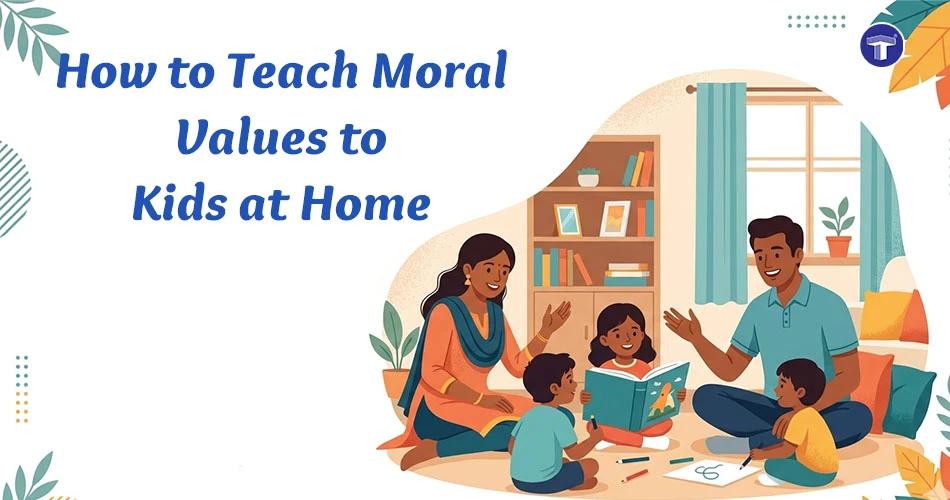
Every parent wants to raise a kind, honest, and responsible child, but teaching moral values to kids at home can feel overwhelming at times. The good news? Parents do not need a classroom for it.
The most powerful moral values lessons happen right at home, in the little moments, daily conversations, and even the mistakes. Let’s walk through this together.
The Foundation of Character: Why Values Begin at Home
Before a child ever steps into school, home is where they absorb everything. The way their parents speak, react, and treat others becomes their very first lesson in moral education for children.
Research consistently shows that children whose caregivers talk about emotions and lead by example grow up with stronger empathy and self-control, and it all starts right at home.
The Right Age to Begin Moral Education for Children
There is no perfect age to teach moral values to kids at home, but the earlier, the better. Here is a simple guide:
- Ages 1–3: Introduce basic concepts like sharing and saying sorry.
- Ages 3–5: Begin moral-based storytelling, role-plays, and learning.
- Ages 5–8: Discuss emotions, fairness, and consequences in simple terms.
- Ages 8+: Encourage self-reflection, responsibility, and independent moral thinking.
Every stage in a toddler's journey is an opportunity. Do not wait for the ‘right’ moment to introduce moral education for kids; create it.
Practical Ways to Teach Moral Values to Kids at Home
This is where the real magic happens. You just need consistent habits every single day.
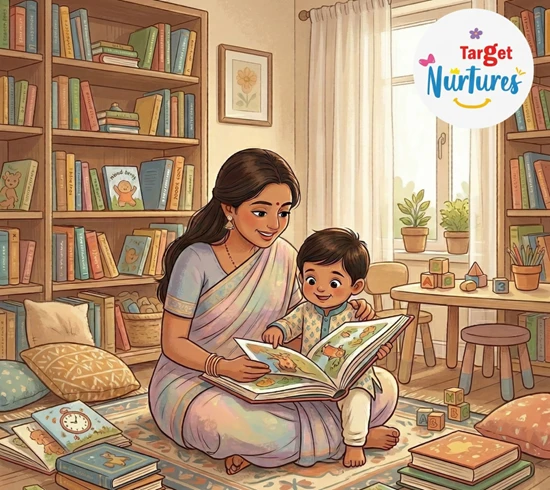
Teaching Moral Values to Kids at Home Through Stories
1. Using Bedtime Stories to Teach Honesty and Kindness
Stories are a child’s first window to the world. Choose storybooks for children where characters face moral dilemmas, where honesty wins, kindness is celebrated, and courage shines.
After your child finishes reading, ask: ‘What would you have done?’ This one simple question builds moral thinking naturally.
2. Use Daily Chores to Build Responsibility in Kids
Assigning small tasks like tidying toys and setting the dinner table teaches children that their actions affect the whole family. Responsibility, practised daily, becomes second nature.
3. Turning Conflicts into Teaching Moments
While playing, when your toddler snatches a toy, ask: 'How do you think the other person felt?' Conflict is one of the best opportunities for teaching moral values to kids. Guide them through it, do not just stop the behaviour.
| Moral Value | What It Teaches | Simple Way to Start |
| Honesty | Building trust | Praise truth-telling always |
| Empathy | Understanding others | Ask: How does the other person feel? |
| Responsibility | Owning actions | Give small daily chores |
| Kindness | Compassion for all | Practise random acts of kindness |
| Respect | Honouring differences | Model respectful speech |
Core Moral Values Every Child Should Learn at Home
Mistakes Parents Make When Teaching Values, and How to Avoid Them
No parent gets it right every time, and that is completely fine. Here are a few things to keep in mind:
- Preaching instead of showing: Children learn far more from what you do than what you say.
- Being inconsistent: If honesty matters on Monday, it must matter on Friday too.
- Punishing instead of guiding: Replace punishment with calm conversation wherever possible.
- Missing small wins: Always acknowledge when your child does the right thing, even if it seems tiny.
Conclusion
Teaching moral values to kids at home is not about grand speeches or perfect parenting; it is about showing up, every single day. The little moments, the honest conversations, and even the mistakes are all part of it.
Parents are already their child's greatest teacher. Just trust the process, stay consistent, and the moral values in kids will follow naturally.
Frequently Asked Questions
1. At What Age Should I Start Teaching My Child Moral Values?
Ans: Begin as early as age one through gentle modelling, simple praise, and short stories. Children absorb moral values long before they can express them verbally.
2. How Do I Teach Honesty to a Toddler Without Scaring Them?
Ans: Create a safe space where truth is always rewarded. Stay calm, acknowledge your child's honesty warmly, and explain gently why truth matters in simple words.
3. What If My Child Does Not Follow the Values I Teach?
Ans: Be patient, moral development in kids may take years. Model the behaviour yourself and guide your child rather than punish.
4. Can Moral Values Be Taught Through Play?
Ans: Absolutely! Games involving sharing, turn-taking, and teamwork are excellent tools to teach moral values to kids. Play is a child’s most natural and joyful way to learn values organically.
5. How Important Is a Parent’s Own Behaviour in Shaping a Child’s Values?
Ans: It is the most important factor. Children mirror what they see at home. How their parents speak and treat others is their strongest moral guide.