
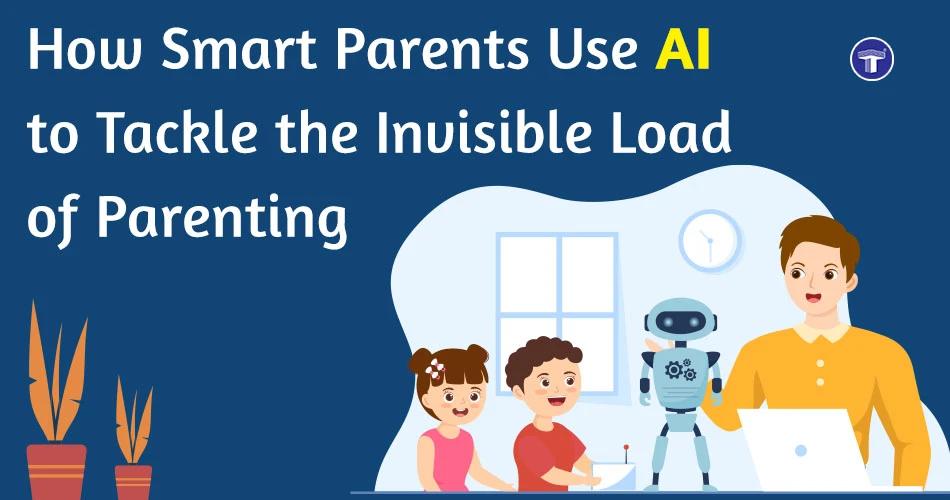
If you’ve ever found yourself lying awake mentally planning tomorrow’s lunchbox, school drop, or work meeting, you’ve felt the invisible weight that most parents silently bear. This unseen mental strain is often called the ‘invisible load’, and it weighs heavily on parents, especially working mothers.
But what if technology could lighten that load? Welcome to the era of AI in parenting, where smart tools, intelligent routines, and personal assistants are helping families reclaim time, focus, and peace of mind.
What Is AI Parenting?
AI parenting refers to the use of artificial intelligence technologies to support and simplify various aspects of raising children. It involves using AI-powered parenting apps, smart devices, and digital assistants to automate daily tasks, offer personalised guidance, and even provide emotional support to parents.
These tools help with everything from tracking a baby’s sleep and nutrition to giving AI parenting advice tailored to a child’s developmental stage. For Indian parents juggling busy schedules, AI in parenting serves as a virtual co-parent, which offers convenience, structure, and insights that make day-to-day life smoother and peaceful.
Why Indian Parents Are Turning to AI for Parenting

Indian family engaging with AI parenting tools
Indian parents are increasingly embracing AI in parenting because it offers practical solutions for modern family challenges. With busy urban lifestyles, demanding careers, and limited extended family support, the daily ‘invisible load’ can feel overwhelming.
AI-powered parenting apps help by automating reminders, personalising learning for children, and suggesting easy parenting tips that fit Indian routines and values. Parents find that these smart tools not only save time but also help them make better decisions, from tracking immunisation schedules to finding reliable parenting tips for Indian parents.
For working parents, the ability of AI parenting assistants to organise calendars, suggest healthy meals, and even support children’s emotional health turns technology into a virtual helping hand. That’s why more families are discovering that parenting with AI means both less stress and more quality time together.
For a deep dive into AI's impact on parenting and preparing children for future careers, watch this insightful video.
5 Best AI Parenting Tools (and Parenting Apps)
Indian parents looking to lighten their invisible load with technology have several excellent AI-powered parenting apps to choose from. Here are five of the best tools that combine smart features with user-friendly design:
1. BabyG
A popular Indian app that helps parents track developmental milestones, monitor baby health, and receive stage-specific parenting tips for Indian parents. Its AI component offers personalised advice and growth insights.
2. ParentLane
Designed for toddlers and preschoolers, ParentLane uses AI to deliver customised activity ideas, developmental checklists, and nutritional recommendations suited to your child’s age and needs.
3. Kyt
Kyt focuses on extracurricular learning through live classes and workshops. Its AI-backed system personalises learning paths, helping parents ensure their children’s holistic development.
4. ParentUp
A global favourite, this app aids in milestone tracking, scheduling, and family organisation, making busy Indian households run more smoothly with AI-assisted notifications and insights.
5. Google Assistant/Alexa (Smart Home Integrations)
While not dedicated parenting apps, smart speakers powered by AI offer tremendous support for bedtime stories, homework help, reminders, and keeping children entertained in healthy ways.
These tools empower parents with easy parenting tips and reliable structure, enabling more time for quality family moments and less stress managing daily logistics.
For more practical advice on incorporating AI into your family routines, watch this insightful video.
AI Empowering Indian Parents: A Success Story
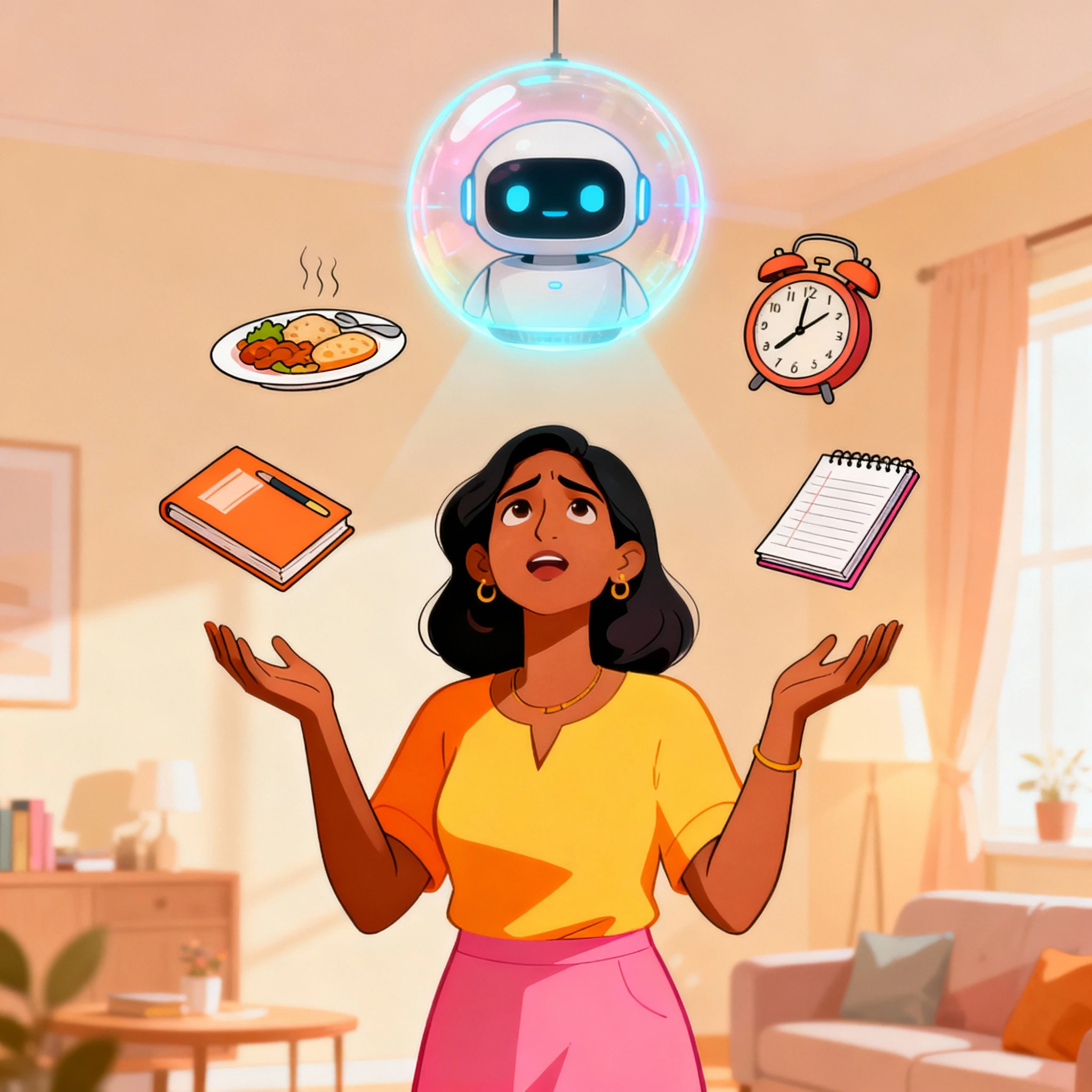
AI easing invisible parenting load
One inspiring example of AI making a real difference in parenting comes from Indian families managing children with diverse learning needs. Manish Mohta, Founder of Learning Spiral, shares how AI tools act like a patient tutor at home, customised to each child's pace and style. For instance, AI apps help children with dyslexia by breaking down tricky words and reading aloud, while children with ADHD benefit from gamified learning plans that keep studying engaging and joyful. This allows parents to step back from constantly policing homework and instead be encouraging supporters. AI even helps with daily routines by reminding children to take breaks or drink water, easing parental stress invisibly. While AI cannot replace human connection, it provides invaluable clarity, reduces stress, and offers hope to busy parents on the complex journey of raising confident children (Source: Times of India).
Key Benefits of Parenting with AI
- Personalised guidance: Intelligent tools analyse routines and preferences to share customised parenting tips for Indian parents, helping them make better day-to-day decisions.
- Time management: AI can automate routine tasks like daily schedules, reminders, or grocery lists, allowing more quality family time.
- Emotional support: Some apps monitor stress levels or emotional cues, providing comforting, healthy parenting tips when things get tough.
- Education boost: AI-powered learning platforms can help parents understand how AI helps in education by personalising study plans and interactive lessons that motivate children to enjoy learning.
These tools don’t promise perfection; they promise relief, a chance to breathe, reflect, and focus on what truly matters: happy, mindful parenting.
Challenges and Limitations of AI in Parenting
While AI-powered parenting tools can bring remarkable convenience, they should always be used thoughtfully and with care. Parenting is ultimately a deeply human journey, one that thrives on emotional connection, cultural understanding, and lived experience. Relying solely on AI risks missing the nuances and warmth that only real parents can provide. Embrace technology as a support, not a substitute, so your guidance and love remain at the heart of your child’s world. Consider these important factors before relying fully on AI for your family:
- AI cannot replace human emotions, intuition, and cultural understanding essential for parenting.
- Privacy and data security concerns about sensitive family and child information remain significant.
- Over-reliance on AI may reduce critical thinking and problem-solving skills in both parents and children.
- AI tools sometimes lack a nuanced understanding of diverse family dynamics and cultural contexts.
- Parental controls and monitoring features are still evolving and not yet foolproof.
- Ethical issues arise regarding AI’s influence on children's development and emotional well-being.
- Access to AI parenting apps may be limited by affordability or digital literacy in some families.
These challenges highlight that AI should support, not replace, the deeply human aspects of parenting.
Tips for Indian Parents Starting With AI Tools
- Start Small and Explore Together: Begin using simple AI apps with your child and discuss their experiences to build familiarity.
- Set Clear Study Goals: Encourage children to use AI tools for specific tasks like research or writing, and review the results together.
- Balance AI and Real Life: Use AI as a support, but prioritise outdoor play, family bonding, and traditional learning methods.
- Teach Critical Thinking: Encourage questioning and verifying AI-generated information to build judgement and scepticism.
- Protect Privacy: Choose apps that respect data privacy and teach children not to share sensitive personal information online.
- Stay Updated: Keep learning about new AI tools and trends, so you can guide your child safely and effectively.
- Cultural Adaptation: Select AI parenting apps that understand Indian cultural contexts and values for personalised guidance.
These practical tips help Indian parents confidently integrate AI tools into their parenting journey for a better balance and results.
Wrapping Up: Embracing AI in Parenting
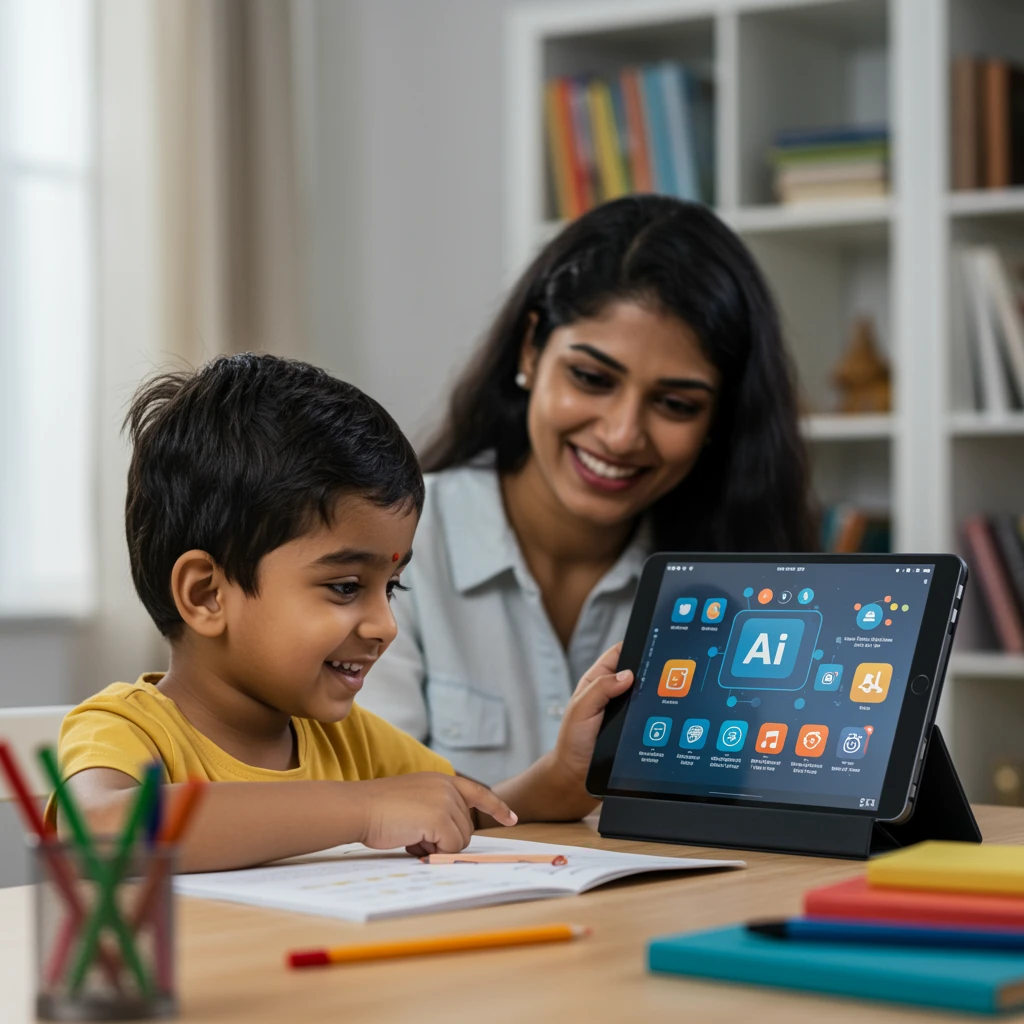
AI-powered educational assistant for child
AI tools are transforming parenting by helping Indian parents manage the invisible load with greater ease and insight. From personalised learning support to task automation, AI in parenting offers practical relief for busy families striving to balance tradition and modernity. While AI cannot replace the essential human touch, it acts as a valuable assistant, enabling parents to focus more on mindful connection and joyful moments with their children. Embracing AI thoughtfully, with attention to privacy and critical thinking, can empower Indian parents to navigate the challenges of today and prepare their children for a rapidly evolving future. The journey is one of balance—blending the best of technology and humanity for healthier, happier families.
FAQs
1. What does the ‘invisible load’ in parenting mean?
Ans: It refers to the nonstop mental effort of managing family routines, emotional needs, and household tasks that often go unnoticed.
2. How can AI tools help parents manage the invisible load?
Ans: AI simplifies decision-making through reminders, insights, task automation, and emotional guidance.
3. Are AI parenting apps safe for family and child data?
Ans: Most reputable apps follow strict privacy standards. Always review terms and use trusted platforms with transparent data policies.
4. What kind of parenting tasks can be automated using AI?
Ans: Scheduling, reminders, home routines, learning recommendations, and even nutrition planning.
5. Do AI tools replace human care in parenting?
Ans: No. They support, not replace, a parent’s instinct and empathy.
6. How can AI help new parents or first-time mums?
Ans: AI-guided tips, baby trackers, and real-time emotional wellness checks can ease anxiety and build confidence.
7. What are the limitations of AI tools in parenting?
Ans: AI lacks emotional intelligence and cultural understanding. It’s best used as an assistant, not a decision-maker.
8. How AI helps in education?
Ans: AI helps in education by personalizing lessons to each child’s needs and giving instant feedback, making learning more engaging and effective.