
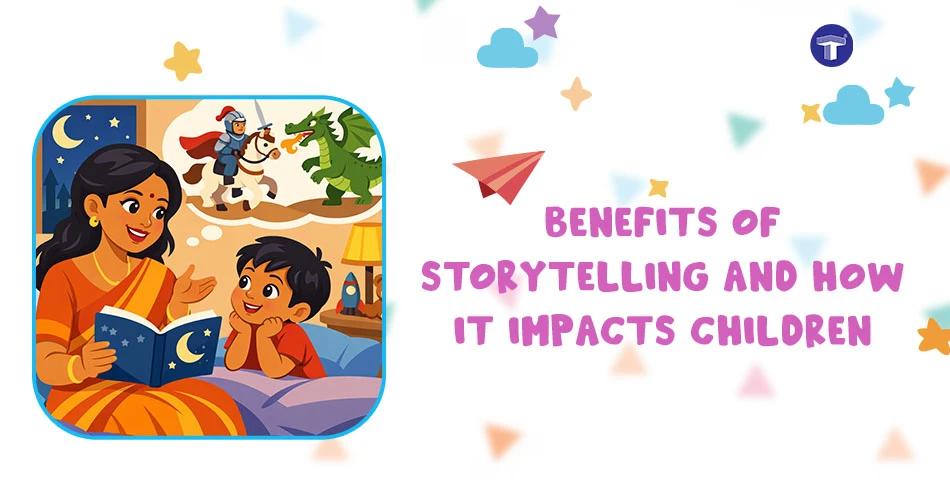
Picture this: your toddler, wide-eyed, hanging on your every word as you describe a dragon who is afraid of the dark. That right there is storytelling for kids, and it is doing far more than keeping them entertained.
From the moment you say, 'Once upon a time,' your child's brain lights up. You may wonder what the importance of storytelling is, really. It turns out, storytelling for children does a whole lot; language improvement, fostering empathy, creativity, and even better sleep are all quietly packed into every story you share.
Key Benefits of Storytelling for Kids
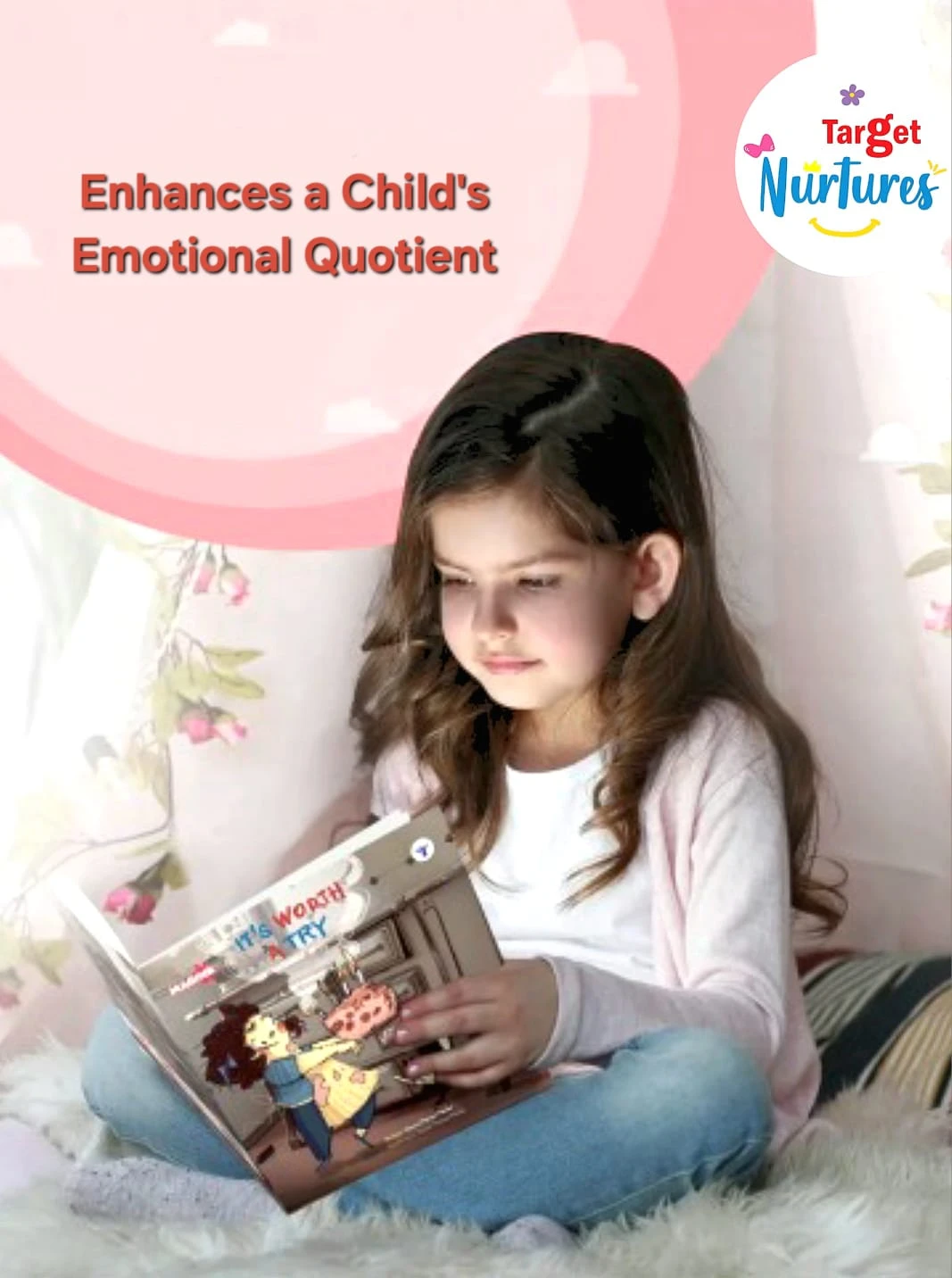
A Child Reading an Engaging English Storybook
1. Storytelling Boosts Language and Communication Skills
Toddlers are language sponges; they absorb new words and sentence patterns without even trying. Research by the National Literacy Trust shows that reading to your child at home regularly gives their language skills a significant boost.
English storybooks for kids with rhymes and repetition are especially effective for building this foundation early.
2. Stories Build Emotional Intelligence in Children
When a character feels scared or lonely, your child starts to recognise and name those feelings in themselves. This is emotional intelligence in the making; the ability to understand and respond to emotions with sensitivity. Good storytelling for kids creates a safe space where toddlers can explore big emotions freely; something no worksheet can ever quite replace.
3. How Storytelling Teaches Moral Values and Empathy to Kids
Stories are not lectures; they are lived experiences. When a child sees a character choose honesty over a lie, or kindness over cruelty, the lesson lands differently than being told outright.
Popular storybooks for kids carry values that children quietly absorb and carry into real life long after the book is closed.
4. Storytelling Sparks Creativity and Imagination
A talking cloud? A lion who bakes biscuits? Your child's brain does not just hear these ideas; it builds them. This imaginative exercise is the early foundation of creative thinking and problem-solving. Ask your toddler, 'What do you think happens next?' and watch their confidence grow.
Engaging learning kits pair wonderfully with story time, turning narratives into hands-on exploration.
Bedtime Stories and their Impact on Children's Sleep and Routine
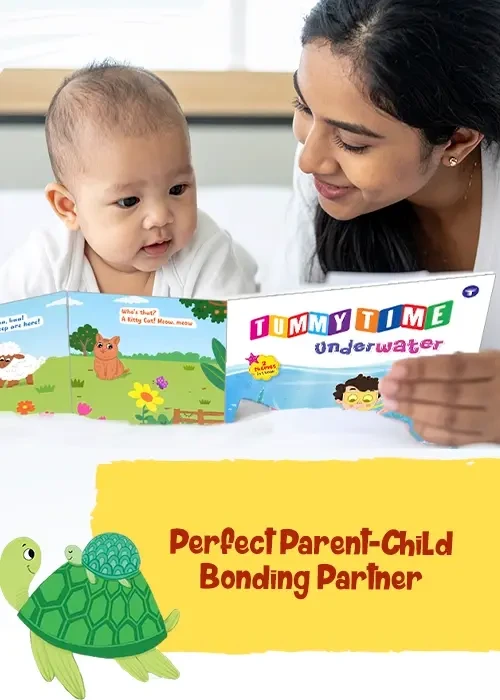
Cosy Bedtime Storytelling Ritual for Toddlers
Bedtime can feel like a battle, but a quiet story can change everything. Here is why making storytelling for kids part of your nightly routine is worth it:
- A natural sleep cue: The rhythm of your voice, a soft lamp, and a gentle narrative work together to signal to your toddler's brain that sleep is coming; far more effectively than screen time ever could.
- Builds routine and safety: Over time, your child begins to associate story time with calm and comfort. That consistency becomes a powerful anchor in their day, one they genuinely look forward to.
- The right books matter: Interesting storybooks for kids with warm illustrations, simple language, and soothing themes work especially well at this hour.
- Your ten minutes, their whole world: That short story before lights go off builds trust, closeness, and memories that last far longer than any toy ever could.
Conclusion
Storytelling for kids is one of the simplest, most powerful things you can offer your child every day. No fancy equipment, no special skills, no planning; just your voice, a story, and a little imagination. Yet the impact it leaves is anything but small.
Every story you tell is quietly building your child's vocabulary, shaping their empathy, sparking their creativity, and strengthening the bond between you and your child. It is one of those rare parenting tools that gives back far more than it asks of you. And the best part? You do not need to be a perfect storyteller; you just need to show up and begin.
Frequently Asked Questions (FAQs)
1. At what age should I start storytelling with my child?
Ans: You can begin from birth. Newborns benefit from parents’ voice, and by six months, babies actively respond to the rhythm and tone of stories.
2. How long should a storytelling session be for toddlers?
Ans: Five to ten minutes of storytelling time is ideal for toddlers. As their attention span grows, you can gradually increase the duration without losing engagement.
3. Can I make up stories, or do I need to use books?
Ans: Both work beautifully. Made-up stories allow personalisation; books add vocabulary and structure that spontaneous storytelling may naturally miss.
4. Does storytelling help with my toddler's screen time habits?
Ans: Yes. A strong storytelling routine significantly reduces the screen time in toddlers, especially at bedtime.
5. What kinds of stories are best for toddlers aged two to four?
Ans: Simple stories with repetition, familiar settings, and relatable animal characters work best for toddlers. Tales about everyday emotions are particularly engaging at this age.