
Choosing a storybook for your child should feel exciting. Yet for many parents, it quickly becomes overwhelming. Walk into a bookstore or scroll online, and you are faced with endless colourful covers, age labels, and bold promises about learning and development.
So how do you know which storybook is actually right for your kids, by age?
The answer is simpler than it seems. Children benefit most from books that match their developmental stage, not just their ability to recognise words. When a book feels right, children stay engaged, confidence grows, and reading becomes something they enjoy.
This guide will help you choose age-appropriate story books that truly support your child’s growth.
Why Choose a Storybook for Kids by Age?
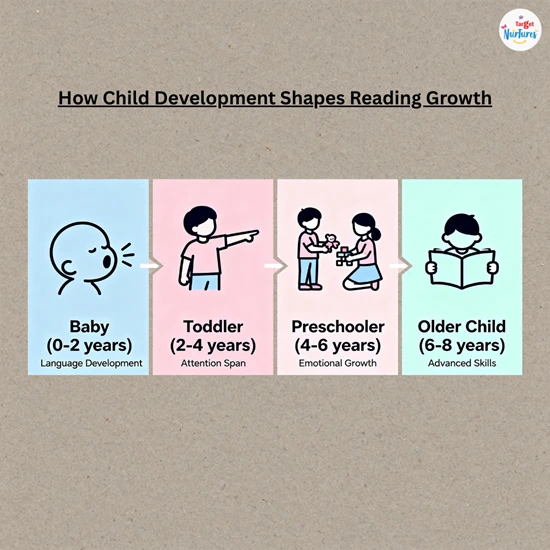
Child development stages and reading growth
Children grow quickly, especially in the early years. Their attention span changes, language skills expand, and emotional understanding deepens.
Because of this rapid development, a book that works well at one age may feel confusing or uninteresting just a year later.
When storybooks for children by age are chosen thoughtfully:
- Children remain focused for longer
- New vocabulary is absorbed naturally
- Stories feel enjoyable, not frustrating
- Reading becomes a positive habit, not a struggle
A book that is too advanced can discourage a child, and one that is too simple may fail to hold interest. The goal is to choose books that gently develop abilities without causing stress.
A Simple Way to Choose Age-Appropriate Story books
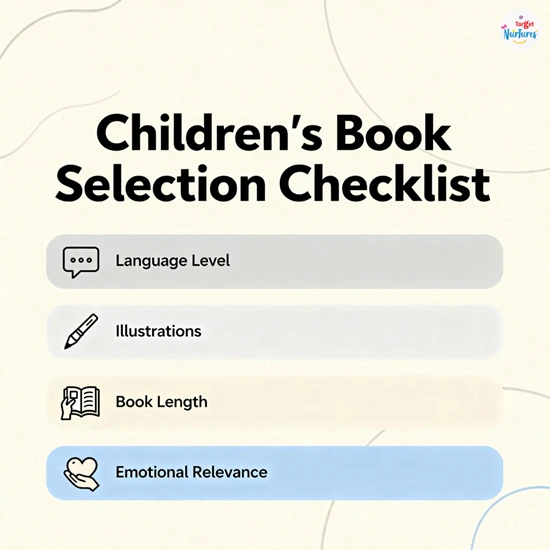
Age-appropriate storybook selection checklist
No matter your child’s age, you can assess any book using this simple framework:
1. Language level
Is the vocabulary simple, repetitive, or complex?
2. Visual support
Do the illustrations help explain the story?
3. Length and structure
Is the content made up of a few words per page, full paragraphs, or chapters?
4. Interactivity
Does the book invite participation, prediction, or discussion?
5. Emotional relevance
Do the themes reflect your child’s everyday experiences?
Keeping these points in mind makes choosing children’s books far easier.
Storybooks for Babies and Toddlers (Ages 0 to 3)
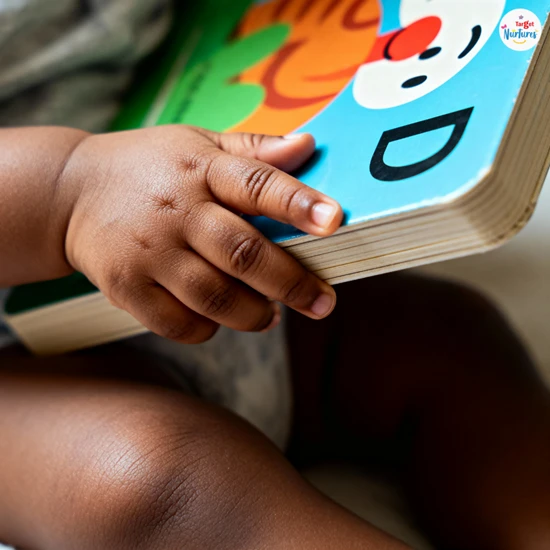
Storybooks for babies and toddlers
At this stage, reading is not about following a storyline. It is about connection, sound, and sensory experience.
Children at this stage need:
- Comfort and familiarity
- Rhythm and repetition
- Visual and tactile stimulation
Important Points to Consider When Choosing the Right Storybook for Your Child:
- Made with thick, durable pages that can be handled easily
- Designed with bold, high-contrast illustrations
- Written using simple words and repeated phrases
- Focused on familiar faces, animals, and scenarios
These books help children tune into language long before they begin to speak.
Common mistakes to avoid
Avoid choosing books with too much text or overly detailed illustrations. At this age, simple books work best for maintaining interest and comprehension.
Do not discourage repeated reading. Reading the same book again and again helps build strong language foundations, reinforces understanding, and makes reading a comforting routine.
Storybooks for Preschoolers (Ages 4 to 5)
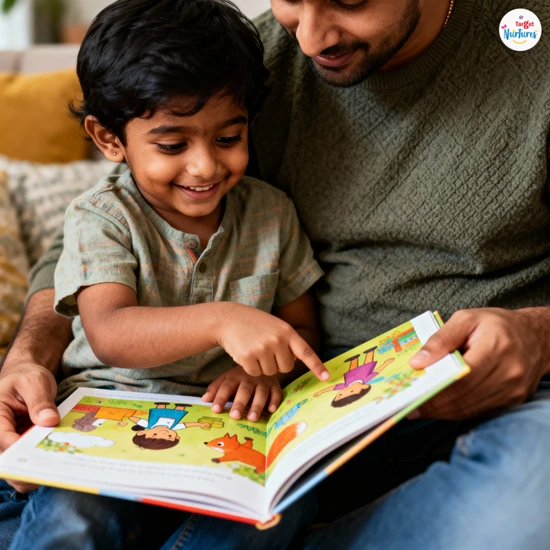
Best storybooks for preschoolers
This is a stage of rapid language growth and boundless imagination.
Children at this stage need:
- Opportunities to predict events
- Emotional understanding through characters
Important Points to Consider When Choosing the Right Storybook for Your Child
- Picture books where illustrations add meaning
- Rhyming or patterned language
- Repetitive lines children can join in on
- Relatable characters and everyday situations
Pro Tip: Preschoolers love to participate. They may finish sentences, describe pictures, or retell the story in their own words. Pause occasionally and ask questions such as:
‘What do you think will happen next?’
‘How do you think the character feels?’
These interactions strengthen comprehension and engagement.
Storybooks for Early Readers (Ages 6 to 7)
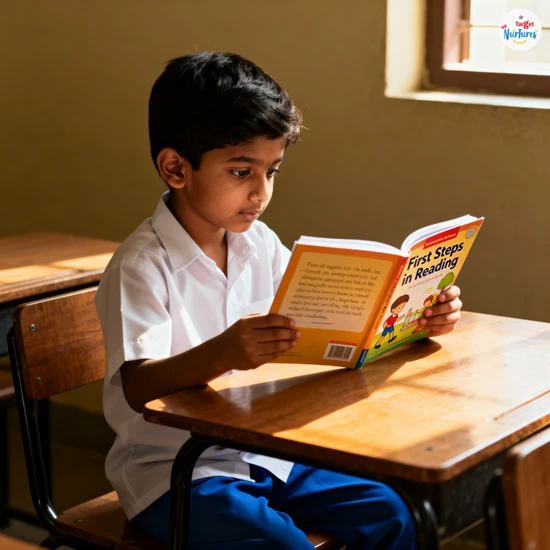
Storybooks for early readers
As children begin reading independently, books help build confidence and fluency.
Children at this stage need:
- Achievable challenges
- A sense of progress
- Clear and supportive structure
Important Points to Consider When Choosing the Right Storybook for Your Child:
- Controlled vocabulary
- Short chapters and larger fonts
- Illustrations that support understanding
- Familiar series that encourage regular reading
Even when children can read on their own, reading stories together still plays an important role.
Avoid introducing long or complex chapter books too early. Confidence grows when children feel capable.
Storybooks for Older Children (Ages 8 to 10)
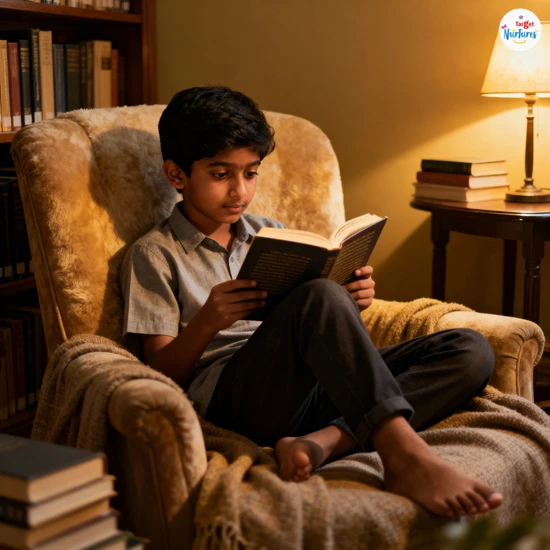
Storybooks for older children
Older children are ready for stories that reflect independence and identity.
Children at this stage need:
- Deeper themes and emotional depth
- Strong characters and layered plots
- Freedom to explore personal interests
Important Points to Consider When Choosing the Right Storybook for Your Child:
- Chapter books with complex storytelling
- Genres such as fantasy, mystery, adventure, or realistic fiction
- Themes of friendship, courage, responsibility, and self discovery
At this age, interest often matters more than reading level. When children care about a story, they push through challenging language willingly.
Talking about the book after reading helps develop critical thinking.
How to Know If a Book is Right for Your Child
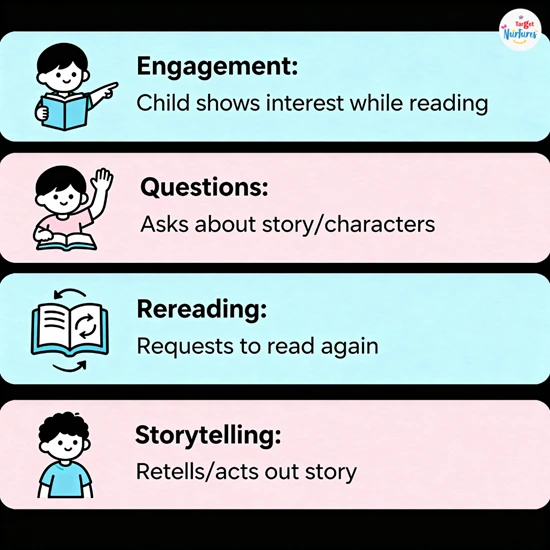
How to know if a book is right for your child
A well chosen book shows clear results:
●Your child stays engaged without frustration
●They comment, react, or ask questions
●They ask to read the book again
●They can retell parts of the story
If a book consistently feels like a struggle, it may not be the right fit, and that is perfectly normal.
Common Myths About Choosing Children’s Storybooks
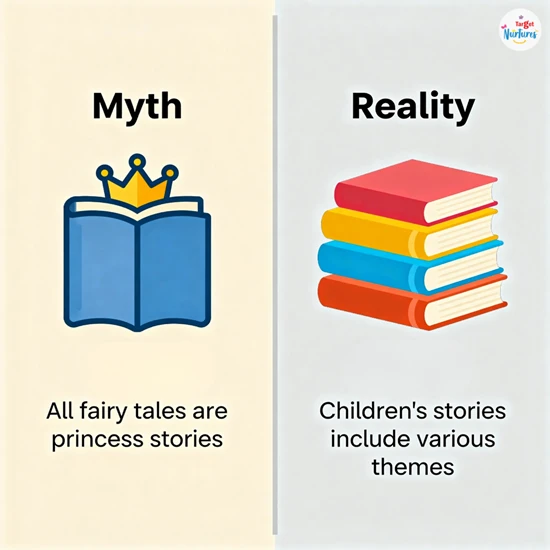
Children’s storybook myths and facts
Myth One: Difficult books make children smarter
Reality: Children learn best when books provide gentle challenges suited to their age and ability.
Myth Two: Screens can replace storybooks
Reality: Digital content cannot replace the language development, focus, and parent-child bonding created by books.
Myth Three: Parents should stop reading aloud once children can read
Reality: Reading aloud continues to support comprehension, vocabulary growth, and emotional connection well beyond the early years.
Conclusion: The Right Storybook Grows With Your Child
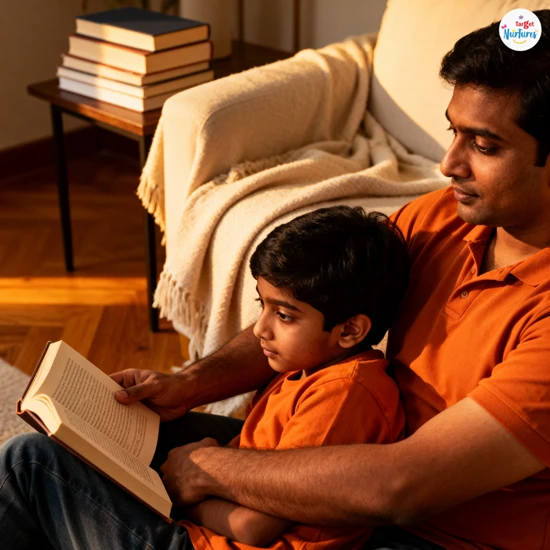
Parent and child sharing a calm storybook reading moment
Choosing the right storybook is not about finding the perfect book. It is about finding the right storybook for your child’s age at this moment.
When books match development:
- Reading feels natural
- Children feel more confident
- A love for stories begins to grow
Observe your child, follow their interests, and revisit your choices as they grow.
The storybook your child loves today may shape how they feel about reading for years to come.
What kind of reader are you helping your child become today?
FAQs
1. How do I choose the right storybook for my child’s age?
Ans: Choosing the right storybook for your child’s age depends on their development stage, attention span, and interests. Look for age appropriate storybooks that match your child’s language level, include engaging visuals, and encourage interaction rather than passive reading.
2. Why are age appropriate storybooks important for children?
Ans: Age appropriate storybooks support reading development in children by matching content with their cognitive and emotional abilities. When books are suited to a child’s age, they build confidence, improve comprehension, and help develop a lasting love for reading.
3. What type of storybooks are best for babies and toddlers?
Ans: The best storybooks for babies and toddlers are board books with simple words, bold pictures, and repetitive patterns. These books help with sensory development, word recognition, and early listening skills during shared reading time.
4. How can I tell if a storybook is too easy or too difficult?
Ans: If your child feels bored, the book may be too simple. If they feel frustrated or disengaged, it may be too challenging. The right storybook keeps your child curious, encourages questions, and allows them to understand the story with gentle support.
5. Should children read books above their age level?
Ans: Children can explore books above their age with adult support, especially during read aloud sessions. However, for independent reading, storybooks for children by age help strengthen fluency, comprehension, and confidence without pressure.