
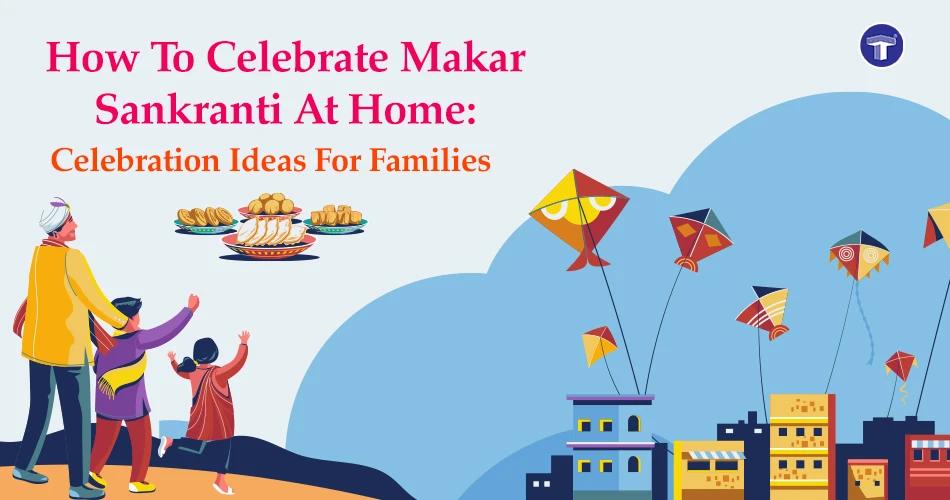
Makar Sankranti is one of those festivals that feels simple, warm, and deeply rooted in Indian culture. There are no elaborate rituals or late-night preparations. Just sunshine, colourful kites, and the quiet joy of seasonal change.
If you’re wondering how to celebrate Makar Sankranti at home in a way that feels meaningful for your family, especially with children, here are thoughtful and easy ideas that blend tradition with everyday life.
What Makar Sankranti Celebrates
Makar Sankranti marks the sun’s transition into Capricorn, signalling longer days and the end of winter. Across India, it is celebrated as a harvest festival and a reminder of gratitude, renewal, and fresh beginnings.
Different regions have their own names and customs for Makar Sankranti, but the heart of the festival remains the same. Sharing food, spreading sweetness, and welcoming positive change.
1. Start the Day With Simple Traditions
You don’t need elaborate rituals to mark the occasion.
Begin the day by explaining the Makar Sankranti festival to your children in simple words. Talk about the sun, the harvest, and why people celebrate together. Even a short conversation in the morning helps children connect meaning to the day.
Wearing comfortable traditional clothes, lighting a diya, or offering a small prayer of gratitude can set a calm and festive tone without pressure.
2. Make Tilgul Together at Home
Tilgul, made from sesame seeds and jaggery, is the main ‘prasad’, i.e. offered during Makar Sankranti. It symbolises warmth, nourishment, and sweetness in relationships.
When children help make Tilgul, the festival comes alive. Younger ones enjoy mixing and rolling, while older kids learn why sesame plays such an important role in winter traditions.
This also opens the door to conversations about seasonal foods, mindful eating, and cultural traditions passed down through generations.
3. Celebrate with Kite Making and Play
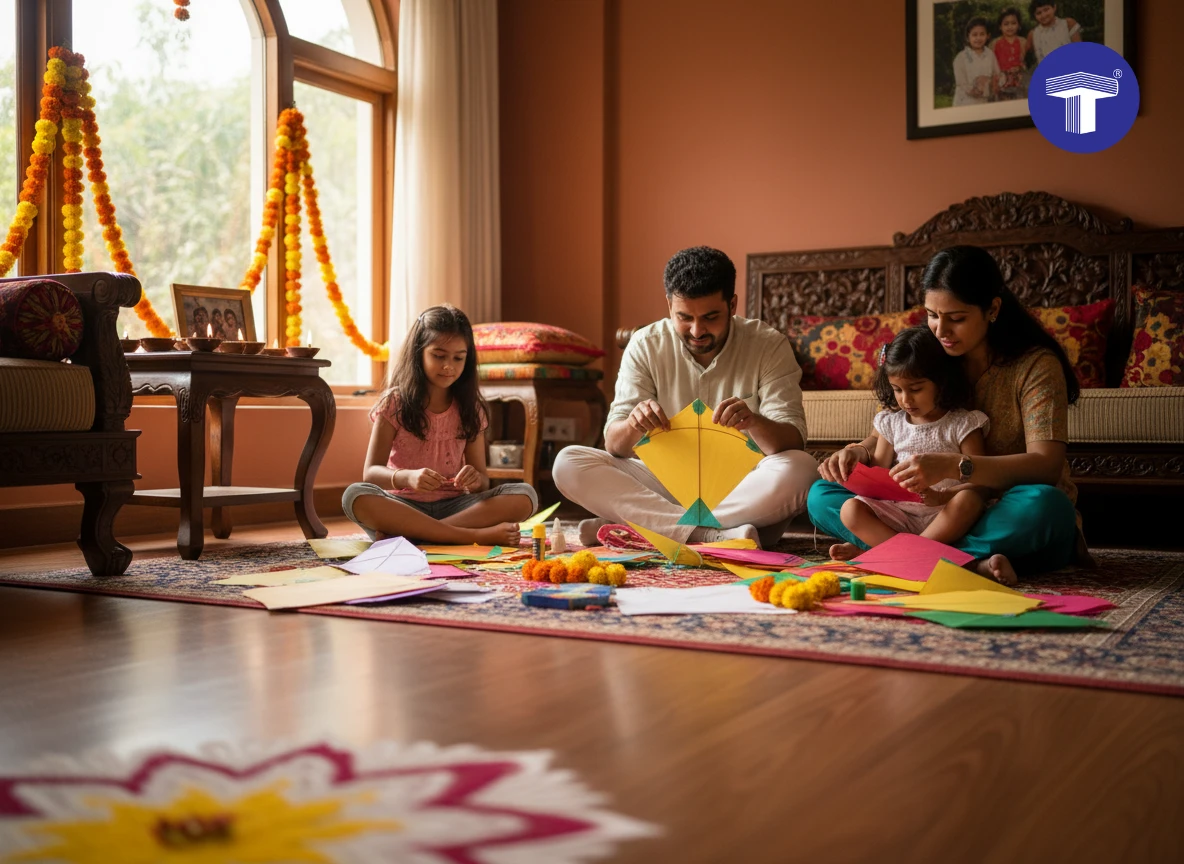
Makar Sankranti activities at home with kids
Traditionally, kite flying is one of the most loved Makar Sankranti rituals, filling the sky with colour and excitement. But not every family can fly kites from terraces or open grounds, and that’s okay.
You can still bring the spirit of kite flying indoors by:
- Making paper kites together
- Drawing and colouring kites
- Reading stories about Makar Sankranti and harvest festivals
For children, it’s less about the activity itself and more about shared joy and attention.
4. Share Sweetness Beyond Your Home
Makar Sankranti is about sharing, not just food, but kindness, gratitude, and warmth.
Encourage children to pack small portions of Tilgul for neighbours, building staff, or friends. This simple act teaches kindness, generosity, and the joy of giving without making it a lesson.
If going out is not possible, even sharing virtually by sending festival wishes keeps the spirit alive.
5. Celebrate Makar Sankranti with Minimal Screen Time
Festivals don’t need screens to feel special.
Use the day as an opportunity to slow down. Keep phones aside during meals, talk more, laugh a little longer, and let the festival feel different from an ordinary day.
Festivals live on in children through feelings, not screens.
6. End the Day with Gratitude
Before the day ends, ask each family member to share one thing they are grateful for. It could be something small, silly, or heartfelt.
This simple practice aligns beautifully with the meaning of Makar Sankranti and helps children associate festivals with reflection, not just celebration.
Final Thoughts
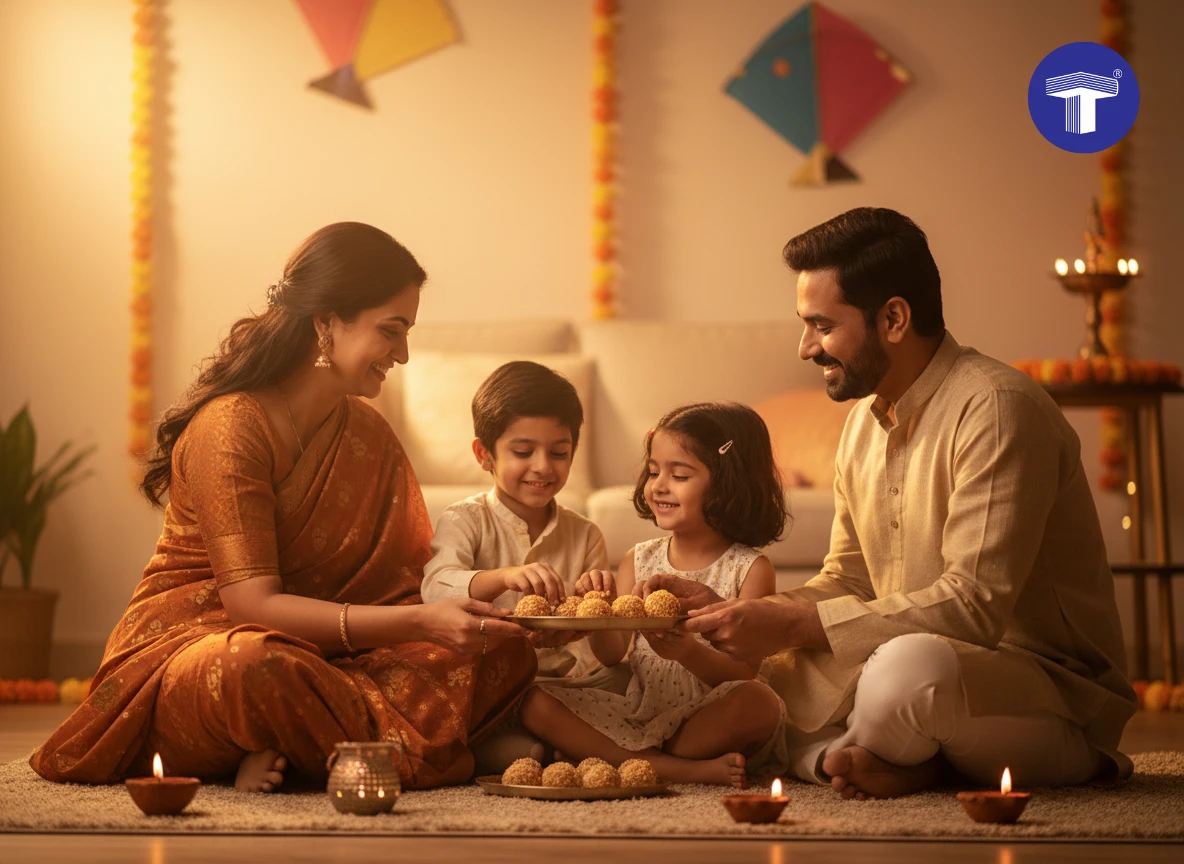
Makar Sankranti family celebration at home
Celebrating Makar Sankranti at home does not require perfection or grand plans. It is about warmth, togetherness, and passing on values gently.
When children see festivals celebrated with intention, simplicity, and joy, they carry those memories far beyond childhood.
And sometimes, the most meaningful celebrations are the quiet ones.
FAQs
1. Can Makar Sankranti be celebrated in apartments without open terraces?
Ans: Yes. Makar Sankranti can be celebrated meaningfully indoors through crafts, festive food, storytelling, and simple rituals. Kite flying is symbolic, not essential. Families living in apartments often focus on Makar Sankranti activities at home that emphasise togetherness and tradition rather than outdoor space.
2. What are some virtual Makar Sankranti celebration ideas for extended families?
Ans: Virtual celebrations can include shared prayers over video calls, cooking the same festive dish together, or having grandparents narrate Sankranti stories. These Sankranti celebration ideas help children feel connected to family traditions even when loved ones are far away.
3. How can working parents celebrate Makar Sankranti with limited time?
Ans: Working parents can choose one intentional activity, such as a shared meal, a short craft session, or a bedtime story about the festival. Even a brief family ritual keeps the spirit of Makar Sankranti alive without adding pressure to already busy schedules.
4. Is it okay to celebrate Makar Sankranti without kite flying?
Ans: Absolutely. Kite flying is only one aspect of the festival. Celebrating through food, prayers, crafts, and family time is equally meaningful. Many families today focus on Makar Sankranti traditions at home that suit their space and lifestyle.
5. How can Makar Sankranti be explained to children in a simple way?
Ans: You can explain Makar Sankranti as a festival that celebrates sunshine, new beginnings, and sharing with others. Using stories, drawings, or food-related activities helps children understand the meaning without complex religious or astronomical details.
6. What is the best way to include grandparents in Makar Sankranti celebrations?
Ans: Involving grandparents through storytelling, cooking together, or sharing memories of how the festival was celebrated earlier strengthens emotional bonds. Their presence adds depth and authenticity to Makar Sankranti family celebration ideas.