
Pop culture in India has transformed the way children experience childhood. From classic cartoons to blockbuster movies, every screen, story, and superhero is shaping a new generation of Indian kids. For parents, understanding the impact of cartoons on children's behaviour and the broader pop culture impact isn’t just helpful, it’s essential.
What is Pop Culture and Its Impact?
Pop culture, short for popular culture, refers to the collection of ideas, trends, entertainment, fashion, and values that dominate mainstream society at a given time. It is shaped by movies, music, television, social media, and digital content that people engage with daily.
In today’s digital world, pop culture travels across borders instantly, influencing how young people think, dress, speak, and connect. For Indian youth, it’s a mix of Bollywood, cricket, memes, K-pop, Western sitcoms, and viral internet trends. This blend not only defines their identity and social interactions but also inspires creativity, global awareness, and new forms of self-expression. However, it can also affect behaviour, preferences, and expectations, often shaping how children perceive success, beauty, and relationships.
What is the Influence of Pop Culture on Indian Children?
Pop culture’s impact is stronger than ever, blending Japanese cartoons, American pop culture influence, Bollywood references, and social media trends. Shows like ‘Doraemon’, ‘Shinchan’, and ‘Chhota Bheem’ are favourites among young viewers, often serving as a babysitter during meals or free time. Indian kids now learn values, language, and social rules not just from family elders, but increasingly from TV and gadgets. This transition means cartoons and movies play a vital role in shaping manners, vocabulary, and daily habits, a phenomenon supported by studies in pop culture psychology.
Along with just playing a vital role, exposure to inappropriate content can also negatively affect a child's mental health, self-esteem, and understanding of age-appropriate behaviour. Experts stress the importance of parental awareness and control to prevent children from prematurely encountering such content at home or during social occasions.
Let’s first take a look at how children’s beloved cartoons play a role in shaping their behaviour.
Impact of Cartoons on Children’s Behaviour
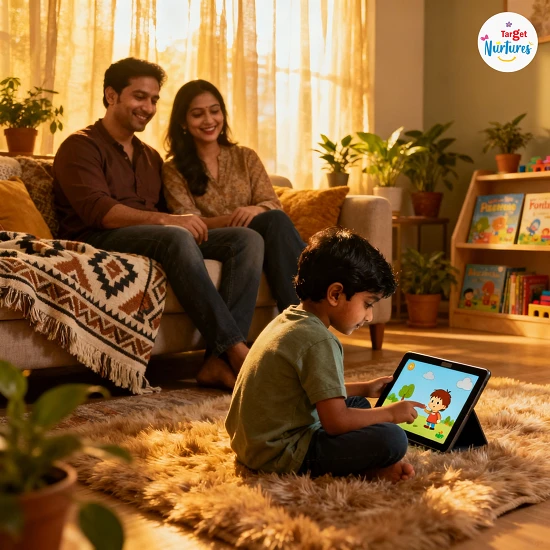
Indian child watching educational cartoon with parents
Research highlights that children imitate and memorise the behaviour of cartoon characters. Picture this: a child watching their favourite cartoon, Milo the Mischievous Monkey, giggling as the character plays harmless pranks on his friends. A few hours later, that same child tries to copy the joke at home, without quite understanding why it might not be funny in real life.
It’s moments like these that remind us how strongly children absorb what they watch. Studies show that young viewers often mirror the expressions, tone, and actions of animated characters they admire.
For example, shows where teamwork and problem-solving take centre stage can inspire collaboration and curiosity. But others that rely on over-the-top antics or teasing humour might influence children to adopt similar behaviour without grasping the difference between fiction and reality.
Cartoons are powerful tools for learning and imagination. They can teach empathy, courage, and creativity when balanced with the right guidance. What truly makes a difference is how parents and educators engage with children about what they watch, helping them enjoy the fun while understanding the values behind it.
It's also vital to recognise the negative impact of movies and cartoons while promoting positive media choices.
How Do Movies Influence Children’s Behaviour?
Now that we know how cartoons play a major role in a child’s development. Have you wondered how movies are also an impactful factor that you must consider? Movies' effects on children in India often depend on the content and context. Emotional and patriotic movies reinforce cultural pride and values. Yet, movies with violence or adult themes may desensitise children and promote risky behaviours. The reach of OTT platforms and Western trends means that American pop culture influence and global series are now part of everyday conversations for Indian youth and kids, blending seamlessly with local traditions. As a result, children today grow up referencing both Indian folklore and Western superheroes, often mixing languages, attitudes, and social values drawn from diverse sources. While this global blend encourages openness, creativity, and cross-cultural understanding, it also subtly shapes behavioural aspects, from communication styles and consumer preferences to aspirations and lifestyle choices.
Balancing Entertainment with Healthy Habits
In today’s world, screens are a big part of childhood, from colourful cartoons to catchy jingles, children are constantly surrounded by pop culture impact. But just like every story has two sides, the content they watch can offer both valuable lessons and a few habits worth keeping an eye on.
The goal isn’t to shield children from every piece of media, but to help them understand what they’re seeing. When parents watch alongside their kids and talk about the characters’ choices, children begin to see the difference between what’s fun on-screen and what’s right in real life.
For example, discussing why sharing makes a character a good friend or why being honest helps everyone can turn an ordinary cartoon into a quiet learning moment.
Encouraging outdoor play, creative hobbies, and family activities also helps children limit screen time. Over time, they learn to enjoy entertainment while forming their own sense of judgement, such as picking up the courage, kindness, and teamwork that good stories have to offer, and letting go of the rest.
Healthy Alternatives: Screen-Free Activities to Engage Your Child
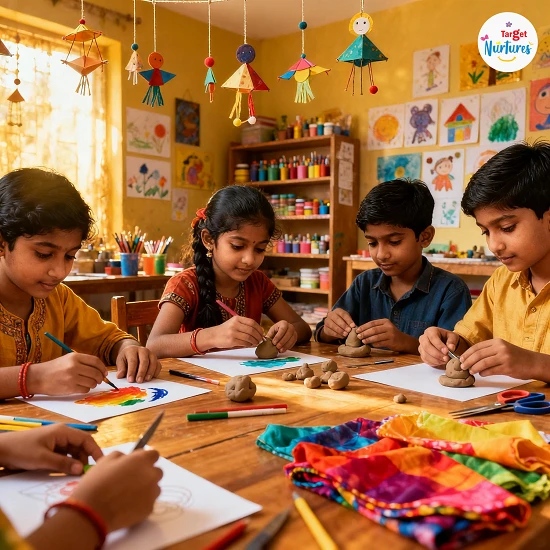
Indian children enjoying creative arts and crafts screen-free
Encouraging screen-free activities is vital for a child's holistic development and helps balance the influence of pop culture media. Activity books and story books are excellent tools that stimulate creativity, imagination, and language skills while offering a welcome break from screens. Beyond reading, children benefit greatly from outdoor play, arts and crafts, music and dance, board games, and simple household adventures like cooking or gardening. These activities foster social skills, physical health, and emotional resilience, providing rich, memorable experiences that technology cannot replace. Indian parents can create a nurturing environment by incorporating these alternatives into their child's routine, nurturing well-rounded growth while preserving the joy of childhood unplugged.
Frequently Asked Questions
1. What is the impact of cartoons on children's behaviour?
Ans: Children tend to imitate cartoon characters, leading to both positive habits and negative actions. Parental involvement is critical to help filter and discuss content.
2. What are the side effects of watching cartoons?
Ans: Common side effects include increased screen dependency, reduced attention span, imitation of undesirable behaviour, and sometimes a clash with parental expectations of respect and manners.
3. How do movies influence children's behaviour?
Ans: Movies shape beliefs, attitudes, and sometimes risk-taking among children; positive content can foster empathy, while inappropriate material may promote aggression or unrealistic expectations.
4. How can parents reduce screen time or limit screen time and cartoon consumption?
Ans: Set clear boundaries, offer alternative activities like reading or sports, and watch movies and cartoons together, encouraging dialogue and healthy media habits.
5. What is the pop culture impact on Indian society?
Ans: Pop culture has changed how children and youth perceive themselves, communicate, and interact, blending Indian traditions with global trends, making it vital for families to stay involved and informed.