
Somewhere between your toddler's first scribbles and their hundredth 'why', a quiet question starts nagging at most parents: is it time to add some structure to all this play?
It is a fair thing to wonder, especially when the toddler years shape so much of how a child later focuses, listens and learns.
Research consistently shows that even small, well-timed doses of structured learning in these early years can build stronger attention spans and problem-solving skills down the line. So let's look at what actually works, and when.
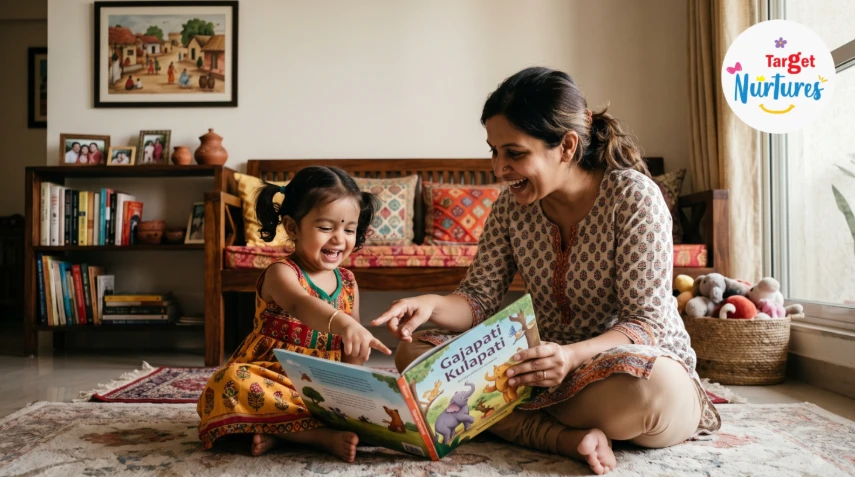
Parent and toddler enjoying story time together
What Does 'Structured Learning' Actually Mean for Toddlers?
Structured learning simply means activities with a bit of routine and purpose, like a short story session or a sorting game, rather than free, unplanned play. It does not mean desks, worksheets or pressure. Even a little structure helps toddlers build focus, patience and confidence early on. These are skills they will lean on for years, in school and beyond.
The Right Age to Start Structured Learning
There is no strict cut-off, but child development experts do point to some helpful yet flexible age windows.
- 18 Months to 2 Years: Sensory and Play-Based Beginnings: At this age, focus on playful sensory activities. Simple songs, textured toys and picture books lay the groundwork for structured learning later, without overwhelming your toddler.
- 2 to 3 Years: Building Routine and Early Concepts: By this age, Toddlers start to understand and follow simple routines. Short, five-to-ten-minute activities around colours or shapes fit nicely during this time.
- 3 to 5 Years: The Prime Window for Structured Learning: This is the age when children are genuinely ready for more structured learning, including early literacy and numeracy, since attention spans and social skills have grown enough to support it.
Interestingly, a study following children in India found that early exposure to structured early learning was linked to stronger cognitive outcomes later in childhood, which shows just how much these foundational years matter.
| Age Range | What Learning Looks Like |
| 18 Months to 2 Years | Sensory play, songs and picture books |
| 2 to 3 Years | Short routines, colours, shapes and sounds |
| 3 to 5 Years | Prime window for structured, focused learning |
Age-wise readiness for structured learning
Signs Your Child Might Be Ready
Age is only part of the picture. Watch for these readiness cues too:
- Sitting through a short story without wandering off
- Showing curiosity about letters, numbers or patterns
- Managing brief separations from you calmly
Gentle Ways to Introduce Structured Learning at Home
You do not need a formal classroom to begin. Start small and keep it joyful.
- Set a short, predictable daily routine, like story time after breakfast
- Use colouring pages and simple activity kits to build focus in fun bursts
- Turn story time into a shared ritual with a favourite picture book series
- Celebrate small wins instead of focusing on getting things 'right'
Conclusion
Every toddler settles into structured learning at their own pace, and that is completely fine. Trust your instincts and follow your toddler's cues rather than a calendar.
Whenever you do begin, keep it warm, playful and pressure-free. That is what makes early learning stick, and what makes it something your child genuinely looks forward to.
Important Links
Frequently Asked Questions
1. What is the best age to start structured learning for toddlers?
Most children show readiness between three and five years, though gentle, play-based structure can begin as early as eighteen months in small doses.
2. Is structured learning necessary before preschool?
Not necessary, but light routines like bedtime story sessions or sorting games help toddlers ease into preschool structure and build focus gradually.
3. How long should a structured learning activity last for toddlers?
Keep sessions short, around five to fifteen minutes depending on age, since toddlers naturally have limited attention spans at this stage.
4. What if my child resists structured activities?
This is common and usually temporary. Keep sessions playful, shorter and pressure free, and try again after a few days.
5. Can structured learning happen through play alone?
Yes, absolutely. Play-based activities like sorting, storytelling and simple songs count as valuable structured learning for young toddlers.