
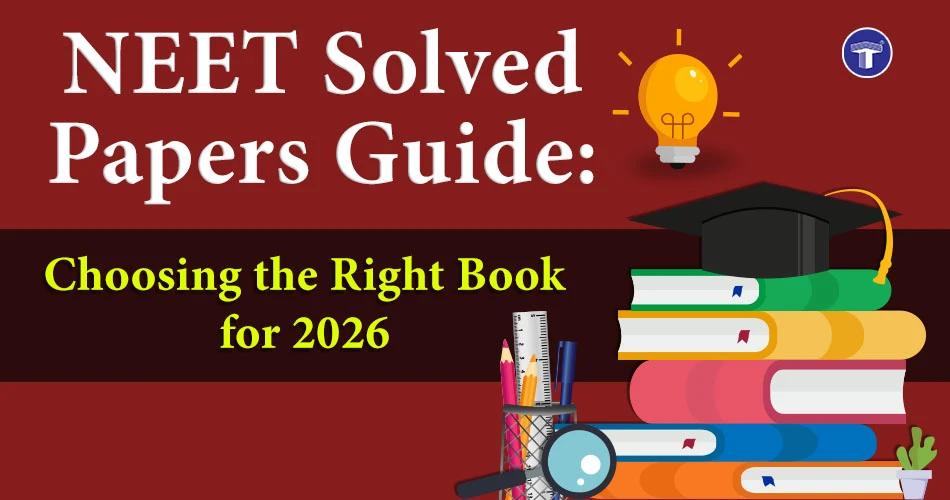
Picture this: You’re preparing for NEET 2026, surrounded by stacks of books. Each promises to have the ‘must-do’ questions, but flipping through them leaves you overwhelmed. Which questions should you attempt first? Are you missing recurring concepts? How do you track your progress effectively?
This is a challenge nearly every NEET aspirant faces. With so many practice books on the market, it can be quite confusing. While some cover just NEET PYQ with solutions, others offer fragmented NEET chapter-wise solved papers collection. Deciding what to attempt first and in which order can become more exhausting than the practice itself.
If you want to gain a broader perspective on NEET trends, resources that compile AIPMT and NEET chapter wise solved papers from 1988 to 2025 can be a start. Such a compilation helps aspirants spot recurring questions, identify high-weightage topics, and understand trends in NEET exams over decades.
Enter Target Publications’ 38 Years NEET Previous Solved Papers (PSP) series for Physics, Chemistry, and Biology. This series consolidates 38 years of AIPMT and NEET PYQ (1988–2025) in a chapter wise and topic-wise structure.
Why 38 Years of NEET Solved Papers Matter?
For NEET preparation, knowing which chapters or concepts appear most frequently can save hours of effort. Newer NEET exam practice books focus on questions from the last decade. But what if you also want to go deeper? The NEET 38 Years PYQ book bridges the pre-NEET (AIPMT) and the current NEET pattern. This can help you:
- Track the evolution of question types and trends.
- Identify recurring concepts that appear every few years.
- Prepare with an understanding that sharpens intuition for any variation the exam may throw at you.
It’s a choice for aspirants who want both breadth and depth, complementing focused options like the 13 Years PSP for NEET-only preparation.
What Does NEET 38 Years PYQ Book Contain?
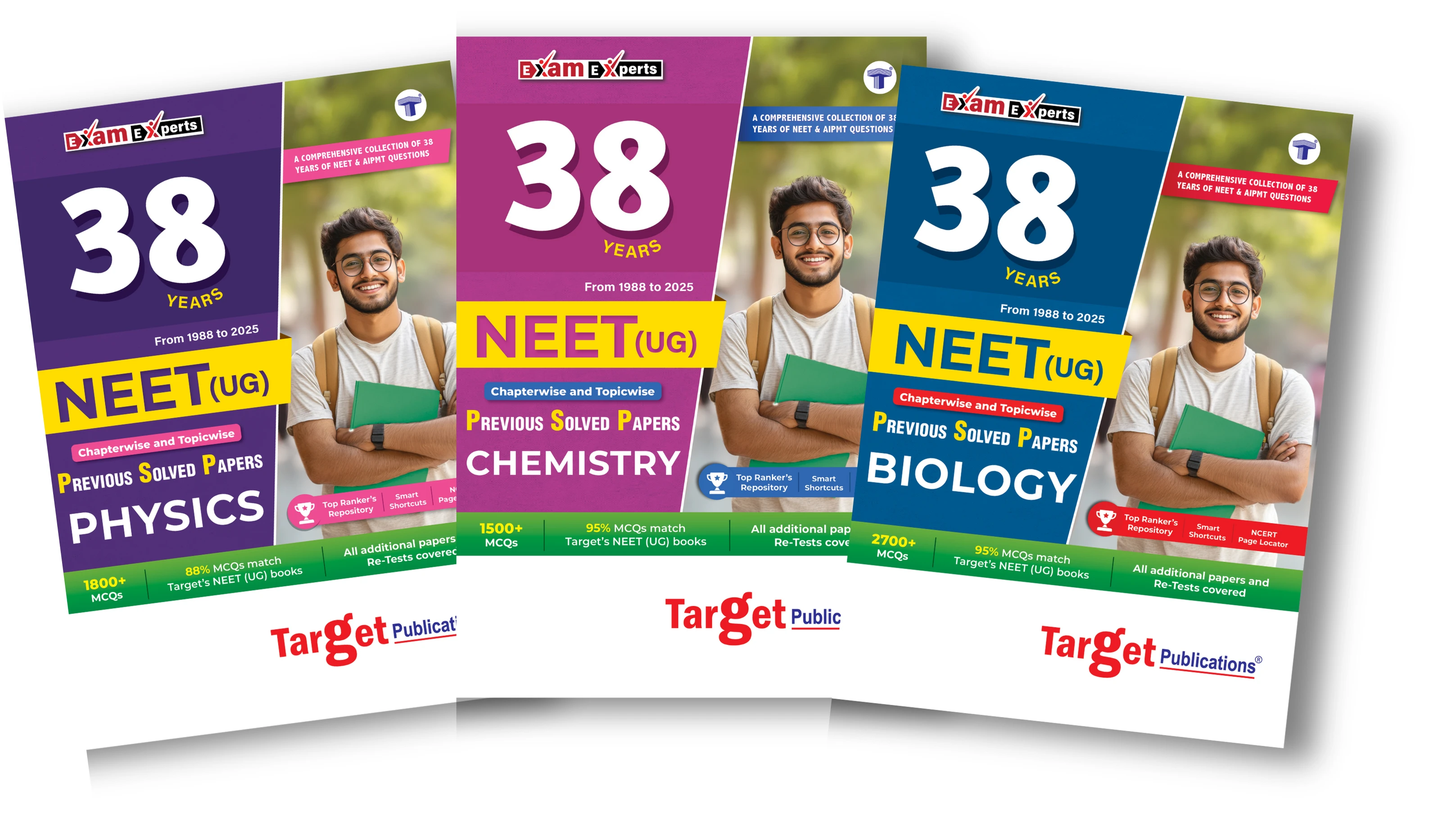
NEET 38 Years PYQ Book
- Chapter-wise and Topic-wise Organisation
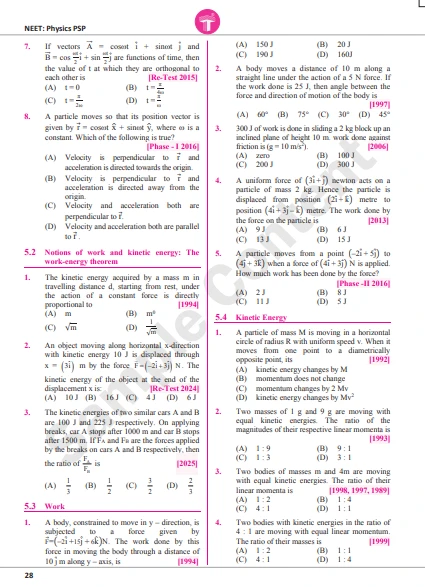
NEET Previous Year Questions Chapter wise
With over 6,000 PYQs organised chapter-wise and subtopic-wise, the NEET 38 Years Book ensures you can prepare systematically rather than randomly. Focus on one chapter at a time without losing track of subtopics. Plan revisions based on weak areas. Cross-reference topics across years to reinforce concepts.
- Stay Current with Latest Syllabus and NEET 2025 Questions
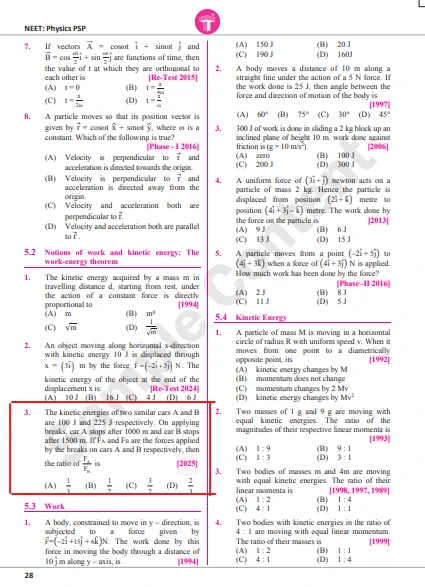
NEET 2025 Previous Year Question
Even with decades of questions included, the series is fully aligned with the NMC-prescribed NEET syllabus. The inclusion of MCQs from NEET 2025 ensures aspirants don’t miss what’s relevant today.
- NEET Additional and Re-Test Papers, Answer Keys, and Smart Keys
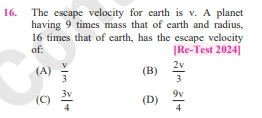
NEET Re-Test Paper Question
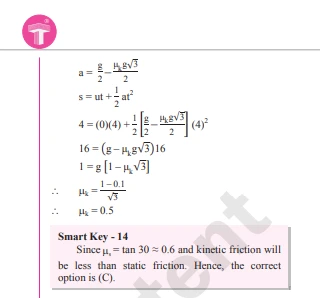
NEET Smart Keys for Problem-Solving
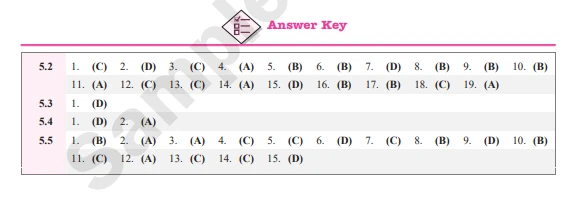
NEET Previous Year Paper with Answer Key
The NEET previous year paper series comes with Answer Keys, Smart Keys, and All NEET Additional Papers and Re-Tests Papers to help you track your progress efficiently. Identify areas that need extra focus. Apply strategic hints to boost problem-solving confidence.
- Analyse Trends and Weightage to Maximise Scores
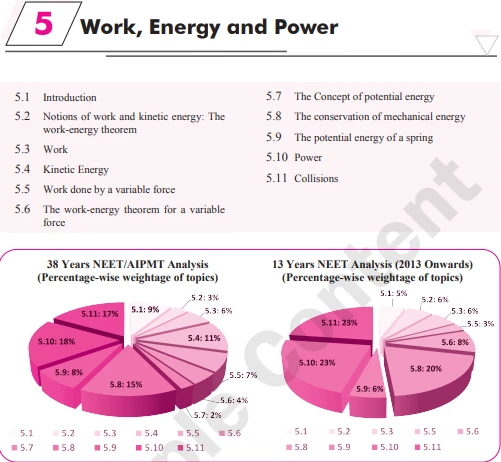
NEET 38 Years’ PYQ Book Weightage Analysis
The topic-wise weightage analysis spanning the past 13 years of NEET and topic-wise graphical insights in the PYQ book covering all 38 years help aspirants in spotting high-yield chapters and recurring questions. It also aids in refining NEET study strategy with data-backed insights rather than guesswork.
Find the features useful? Explore them yourself! Here’s a sample PDF of the NEET 38 Years PYQ Book so you can experience its clarity and structure firsthand.
Note: The NEET 38 years PYQ books are available by subject group or can be selected by individual subject. View our NEET Previous Solved Question Papers series here.
Choosing the Right PSP for Your NEET Preparation 2026
NEET Chapter wise Solved Papers
Not all aspirants need the full NEET 38 years PYQ archive. Some may prefer the 13 Years PSP if their focus is solely on recent NEET patterns.
Many NEET toppers rely on analysing past trends to fine-tune their strategy, something both the NEET 13 Years PSP and NEET 38 Years PYQ Book make easier.
- NEET 13 Years PSP: Recent NEET-only focus, quick pattern recognition.
- NEET 38 Years Book: Comprehensive, historical insight, deep understanding of recurring questions.
The key is to match your preparation style and timeline with the right resource or even combine PSPs for a balanced approach.
To Sum It Up
Preparing for NEET 2026 is challenging, but choosing the right NEET study resource can make your preparation focused, strategic, and efficient. The 38 Years NEET PYQ Book series offers a historical perspective, chapter-wise clarity, and trend-backed strategy, all in one place.
Frequently Asked Questions (FAQs)
1. Why should I practice NEET previous year question papers?
Ans: Practising NEET previous year question papers helps you understand the exam pattern, identify frequently asked topics, and improve speed and accuracy through real exam-like practice.
2. How is the NEET 38 Years PYQ Book useful for NEET 2026 preparation?
Ans: The NEET 38 Years PYQ Book offers a comprehensive collection of past exam questions, helping students analyse trends over the years, strengthen core concepts, and prepare for NEET 2026.
3. Does the NEET 38 Years PYQ Book include the latest NEET 2025 questions?
Ans: Yes, the NEET 38 Years PYQ Book includes the latest NEET 2025 questions, ensuring students practice with the most updated and relevant exam material.
4. Are answer keys and solutions included in the NEET 38 Years PYQ Book?
Ans: Yes. The NEET 38 Years PYQ Book provides answer keys to help students understand concepts and improve problem-solving accuracy.
5. How can topic-wise weightage analysis help in NEET preparation?
Ans: Topic-wise weightage analysis highlights the most important and frequently asked chapters in NEET, allowing students to prioritise their study time efficiently for maximum marks.
6. Is the NEET 38 Years PYQ Book suitable for beginners?
Ans: Yes, the NEET 38 Years PYQ Book is ideal for beginners as it builds a strong conceptual foundation while familiarising students with real exam questions and difficulty levels.