
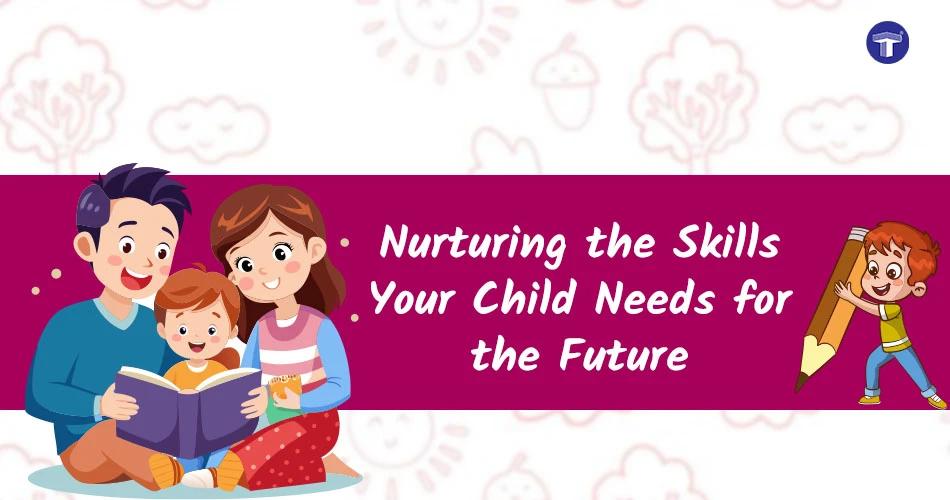
As a parent, you probably find yourself wondering: what does my child actually need to thrive in the years ahead? It is a beautiful question, and the fact that you are asking it already puts you ahead.
The good news is that nurturing skills that will matter the most for your child’s future do not require expensive tools or elaborate programmes. It starts at home, in everyday moments, with a little intention. Let us walk through the future-ready skills that will matter most and how you can gently build them.

Toddler Dreaming About His Successful Future
Why Today's Learning Shapes Tomorrow's Success
A 2018 study by McKinsey Global Institute found that skills like critical thinking, creativity, and adaptability will be among the most in-demand by 2030 as automation reshapes work. Starting early, even at the toddler stage, gives your child a head start that truly lasts.
-
Let Questions Lead the Way
When your child asks 'why is the sky blue?' or 'where do worms go when it rains?', resist the urge to answer immediately. Ask them what they think first. This small habit builds critical thinking skills in a way no worksheet ever could.
-
Make curiosity a part of everyday life
During your daily walks, point out interesting things and talk about them together. When children start observing and asking questions, their thinking naturally becomes sharper.
Critical Thinking Starts with Simple Questions
-
'What Happens If We...?'
Give your toddler open-ended play materials like blocks, clay, or sand, and watch them experiment. When something falls over, gently ask, 'what do you think went wrong?' Problem-solving skills grow best when children are allowed to try, fail, and try again without fear.
-
Resist Fixing It for Them
It is tempting to step in, but holding back is one of the kindest things you can do. Letting them work through small challenges builds confidence alongside skill.
Creative Thinking Grows Through Everyday Play
-
Art, Stories, and Imagination
Creative thinking in toddlers does not need a craft kit. Give them old magazines, some glue, and blank paper. Encourage storytelling by asking them to narrate their drawings. These small acts build creative confidence that shapes innovators.
-
Let Boredom Do Its Job
Unstructured time is not wasted time. When children are bored, their minds find solutions. Resist filling every moment with a screen or scheduled activity.
Simple Daily Habits for Future-Ready Kids
-
Routines That Build Skills Quietly
Building future-ready skills does not always look like learning. It can also look like making their own bed, setting the table, or choosing their outfit. Use activity-based learning materials designed to blend into exactly these daily moments.
-
Read Together Every Day
Reading storybooks aloud builds vocabulary, imagination, and focus all at once. Even ten minutes a day makes a measurable difference.
Raising a Digitally Aware Child
-
Teach Them 'How,' Not Just 'What'
Digital literacy for kids is not about more screen time. It is about teaching them to use technology with curiosity and caution. Show them how to find answers and create rather than just consume.
-
Balance Is the Real Skill
Model healthy tech habits yourself. When they see you put your phone down, they learn more about balance than any conversation could teach.
Conclusion
Your toddler does not need to be extraordinary. They just need a parent who believes in small, consistent moments. Every question you encourage, every problem you let them wrestle with, every story you read together adds up to something remarkable.
Nurturing future-ready skills is not a checklist. It is a way of seeing your child as already capable, already curious, already growing.
Frequently Asked Questions
1. At what age should I start building future skills in my child?
Ans: You can begin from infancy. Even simple games and conversations with toddlers aged one to three meaningfully support cognitive and social development.
2. How do I teach critical thinking to a toddler?
Ans: Ask open-ended questions during play or meals. Say 'what do you think?' instead of giving answers. Curiosity is the foundation of critical thinking.
3. Is screen time ever helpful for developing future-ready skills?
Ans: Yes, when used intentionally. Age-appropriate, interactive content can support digital literacy. The key is balance and parental involvement during screen time.
4. What is the most important skill for a child's future?
Ans: Adaptability, paired with curiosity. Children who can think flexibly and stay curious tend to navigate change and challenges far more successfully.
5. How can I make skill-building fun and not feel like homework?
Ans: Weave it into play, cooking, and outdoor time. Skills built through joy remain far longer than those taught through pressure or rigid routine.