
Many parents find themselves struggling to help their children with grammar homework. Worksheets are often left incomplete, frustration builds, and children lose interest quickly.
If you’re balancing work, household responsibilities, and school updates, grammar practice for kids can feel overwhelming. But grammar doesn’t have to be a daily battle. With the right approach, it can become a rewarding, even enjoyable, part of your child’s routine.
Why English Grammar Is Still Important (Even in the Age of AI)
Some may wonder if grammar is still relevant when technology can correct mistakes.
The truth is, a strong foundation in English grammar is about much more than test scores or error-free writing. Grammar equips children to speak confidently, write with clarity, follow instructions, think logically, and express themselves effectively. These skills are essential not only for academic success but also for developing clear communication and critical thinking that will benefit them throughout life.
Moreover, children who develop strong grammar skills are better equipped to:
- Communicate their thoughts and feelings with confidence
- Participate actively in discussions and group activities
- Lay the groundwork for learning additional languages in the future
These advantages extend well beyond the classroom, helping children become effective communicators and adaptable learners in a rapidly changing world.
Why Most Kids (and Parents) Struggle with Grammar
The challenge often lies in how grammar is introduced. Traditional methods tend to focus on memorizing rules and completing repetitive worksheets, leaving little room for creativity or engagement. Children may quickly lose interest or feel overwhelmed, especially if they struggle to grasp abstract concepts. Parents, too, may feel unprepared to explain grammar in a way that makes sense. The key is to make grammar relatable and interactive, connecting lessons to real-life situations and encouraging curiosity.
Making Grammar Fun and Effective at Home
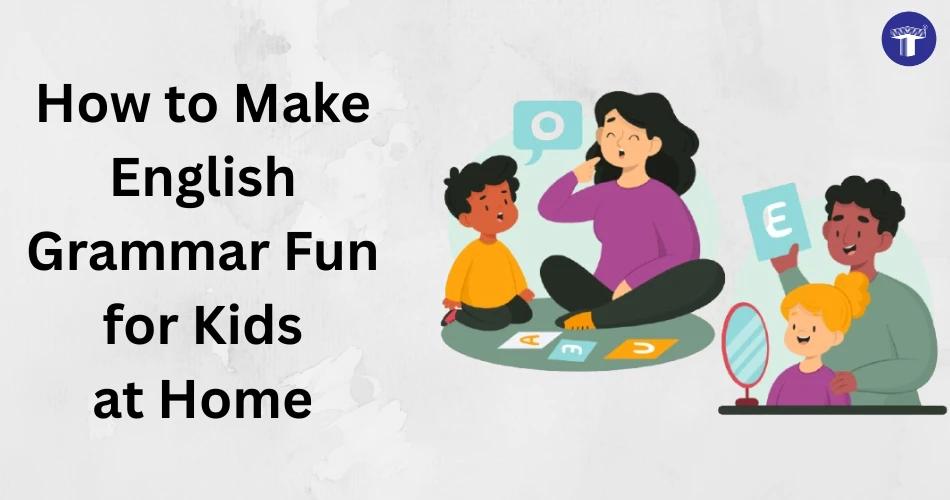
You don’t need to be a language expert to help your child enjoy grammar. Setting aside just 15 to 20 minutes each day can make a significant difference. Try to establish a simple, consistent routine—perhaps after school or before bedtime—when your child is relaxed and receptive. Instead of focusing solely on rules, turn grammar into a story: discuss examples from daily life, read aloud together, or play word games and puzzles that challenge your child’s thinking.
Celebrate small achievements, such as identifying a new part of speech or completing a worksheet, to keep motivation high. Mixing in activities like flashcards, storytelling, or creative writing can keep the experience fresh and engaging. Tracking progress with a sticker chart or journal can also help build a sense of accomplishment and excitement about learning.
It is said that it takes 21 days to build a habit. So we created a 21 days grammar challenge tracker for you.
What Parents Are Saying
Many families who have adopted a more engaging approach to grammar report positive changes:
‘My daughter actually looks forward to grammar time now.’
‘It’s the perfect balance of fun and learning. We fit it into our daily routine easily.’
‘My son finally understands parts of speech—and he’s only in Class 2!’
Is This Approach Right for Your Family?
If you want to support your child’s learning without added pressure, believe education should be joyful, and are searching for practical, value-packed resources for children aged 5 to 10, consider making grammar a regular, enjoyable part of your home routine. The benefits will last far beyond the primary years.
How can we help you?
To help your child in their learning journey, we have created grammar books for 5–10-year-olds with relatable examples and activities that align with school curricula. Your kid will love learning at their own pace with the book, making learning both effective and enjoyable.

Making grammar fun with activity-based grammar books
Pro Tip:
Pair grammar lessons with everyday conversations—point out nouns, verbs, and adjectives as you talk about your day. This reinforces learning and makes grammar feel natural.
Which topic in English Grammar does your child struggle with? Let us know in the comments!