
You’ve spent months singing the ABC song, reading alphabet books, and celebrating as your child proudly points out letters everywhere. But now, faced with simple words like ‘cat’ or ‘sun,’ your confident little learner suddenly hesitates, guesses, or loses interest. If this sounds familiar, you’re not alone. Many parents find that after mastering the alphabet, their child’s reading journey hits an unexpected speed bump: blending letters into words.
What Is Blending and Why Blending Seems Hard?
Learning the alphabet is a huge milestone, but it’s just the beginning. Blending is the skill of smoothly joining individual letter sounds (phonemes) to form words. For a young brain, this is a complex process. It requires the following:
- Identifying each letter
- Remembering its sound
- Keeping several sounds in mind
- Merging them together without pausing
It’s no wonder that even the most enthusiastic learners can find blending tricky. This skill doesn’t develop overnight and often needs focused, playful practice.
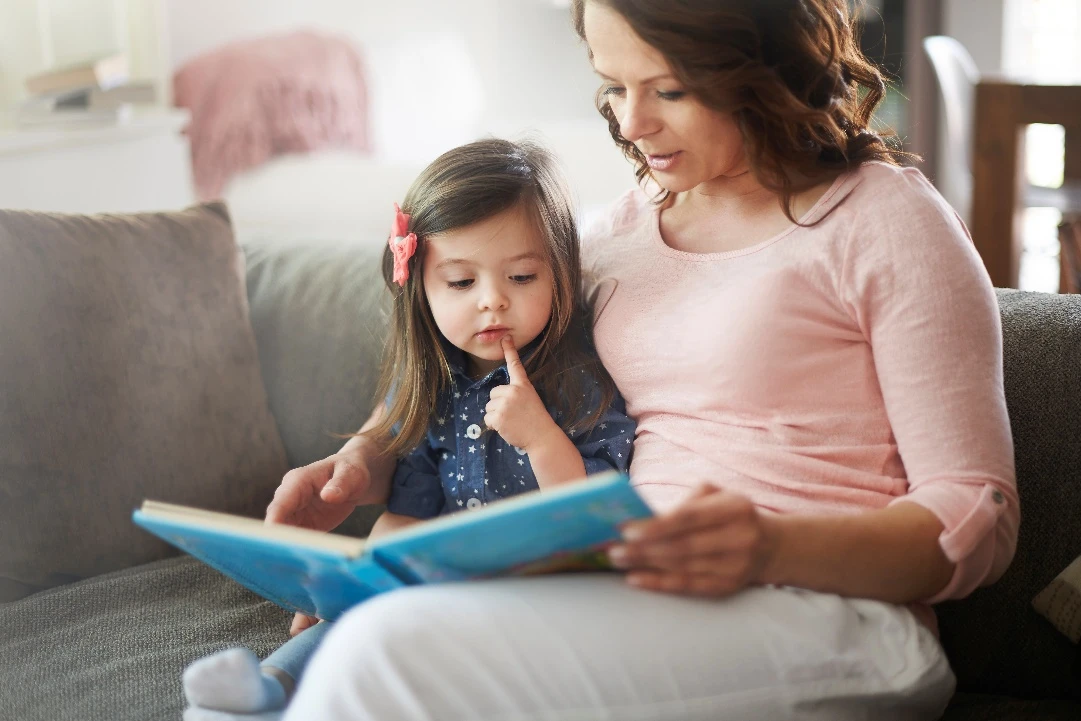
Building early literacy skills
Common Mistakes and Misconceptions
We have seen many parents stumble over these hurdles:
- Choppy Blending: Many a times we teach kids how the letters sound separately (‘c-a-t’), and expect them to connect it into a smooth word (‘cat’).
- Guessing from Pictures: Many parents assume that matching the picture to the word will help the kid remember the word better. But it becomes tough to know if the kid is reading the word or guessing based on the picture.
- Rushing Ahead: Sometimes parents expect their child know the words faster and push them to read words before a child is comfortable blending sounds orally, which can lead to frustration.
Recognizing these common mistakes is the first step to helping your child move forward.
Practical Tips for Teaching Blending
Blending can and should be fun! Here are some proven strategies to help your child master this essential skill:
- Play Sound Games: Start with oral blending. Say, ‘What word am I saying? /m/ /a/ /t/,’ and let your child guess. No letters needed at first!
- Begin with Short Words: Practise with two-sound words (‘at,’ ‘in’) before moving to three-letter words.
- Use Smooth Blending: Encourage your child to stretch the sounds together. For example, say, ‘mmmaaannn’ instead of pausing between each one.
- Play to Learn: Use tracing or even hopscotch with letter sounds to engage all senses.
- Let Them Follow You: Show your child how you blend sounds and let them echo you. Keep sessions short and positive.
When to Worry (and When Not To)
Every child learns at their own pace. Blending skills typically develop between ages 3 and 6 years, but it’s normal for some children to need more time and repetition. Celebrate small victories and focus on progress, not perfection.
Now to make your blending practice easier and more enjoyable, we strongly recommend using our My First 3 Letter Words Book. Filled with vibrant colours and engaging blending exercises for kids, this book has supported more than 2000 parents in teaching their children how to blend letters into words with confidence.
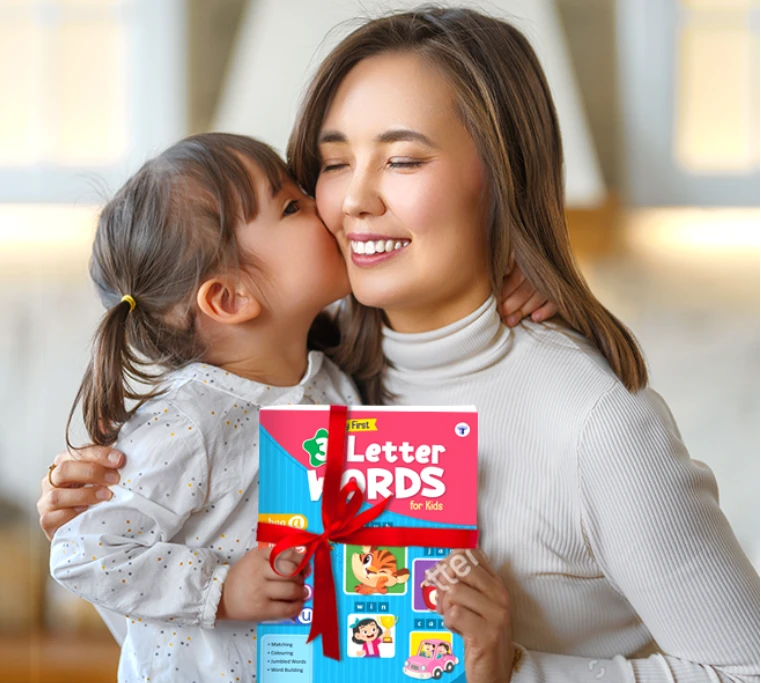
A special moment for a mother and daughter with ‘My First 3 Letter Words’ book.
Every Reader’s Journey Is Unique
Blending is the bridge between knowing letters and becoming a reader. It’s normal for this step to take time and patience. With playful practice, encouragement, and the right tools, your child will soon be blending sounds and reading words with pride.
You’re not alone on this journey. We are there with you at each step.
If you have any questions, feel free to comment. We will be more than happy to answer them.
Important Links:
| Simple ways to build a daily reading routine for kids | The Role of Repetition in Learning—Why Kids Love Re-Reading |