
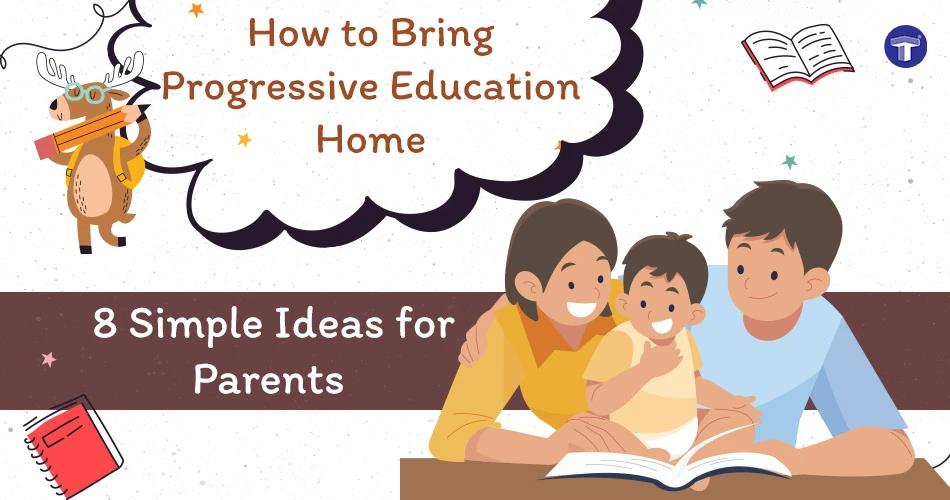
Every parent wants their toddler to enjoy learning, not just sit through it. That is exactly what progressive education is about. It lets your child explore, ask questions, and learn at their own pace, rather than following a strict, one-size-fits-all method that ignores their natural curiosity.
With a few small shifts at home, paired with the right early learning books and playful activity kits, you can bring this approach right into your living room, one gentle step at a time.
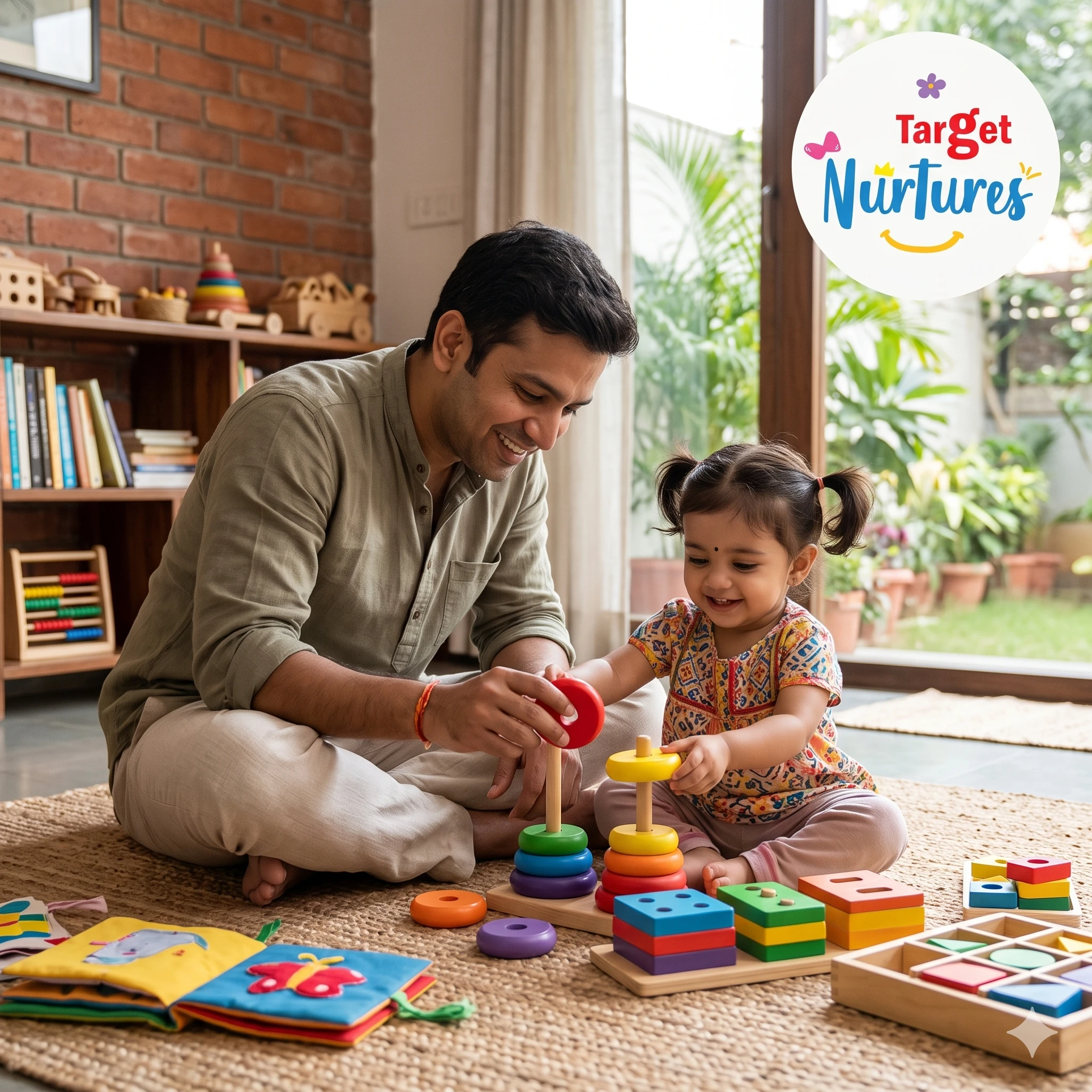
Hands-on play brings progressive education to life at home
8 Practical Ideas to Practise Progressive Education at Home
1. What Does Progressive Education Really Mean at Home
Progressive education simply means learning by doing, not just listening. At home, you can let your toddler build and discover things themselves, while you gently guide from the side.
2. Let Your Toddler Lead the Learning
Children learn best when they are curious, not instructed. Watch closely what catches your toddler's interest and follow that thread instead of sticking strictly to a planned lesson.
3. Turn Everyday Chores into Learning Moments
Folding clothes, watering plants or setting the dinner table can quietly build real, lasting skills without ever feeling like a lesson to your little one.
4. Make Room for Open Ended Play
Blocks, clay, and simple art supplies encourage imagination and problem-solving, which sit right at the heart of progressive learning at home, day after day.
5. Encourage Questions Instead of Just Answers
When your toddler asks 'why', resist rushing to answer right away. Ask 'what do you think' first. This brief pause builds early critical-thinking skills and makes your child feel genuinely heard.
6. Create a Flexible Learning Nook, not a Classroom
A cosy corner with books, crayons, and a soft mat works far better than a rigid study table. It should feel inviting and playful.
7. Celebrate Mistakes as Part of the Process
A toddler stacking blocks that keep falling over and over is not a part of failure; they are learning balance through trial and error. Praising effort over outcome nurtures a growth mindset in children.
8. Involve Your Child in Real Life Decisions
Letting your toddler choose between two snacks or two outfits builds confidence and independence. Children in early learning programmes that emphasise hands-on learning can make more out of their education than those who only practise traditional learning.
Important Links
Conclusion
To bring progressive education home, start with just one or two ideas, perhaps open-ended play or involving your child in small choices and let the rest follow naturally.
Every small moment of child-led learning and curiosity you allow at home is already real, meaningful progress, and that is more than enough for your toddler to thrive on.
Frequently Asked Questions
1. At what age should progressive education start at home?
Ans: Progressive education can begin as early as toddlerhood, around age two, when curiosity naturally takes over the day. Simple, playful routines work best here.
2. Is progressive education the same as Montessori?
Ans: They share similar values like child-led learning, but Montessori education follows a specific, structured method, while progressive education stays broader and more flexible day-to-day.
3. Does progressive education help with school readiness?
Ans: Yes, it builds curiosity, problem solving and independence early on, all of which support a smoother, more confident transition into formal schooling later in life.
4. Can working parents follow progressive education at home?
Ans: Absolutely. Small, consistent moments like cooking together or chatting during evening chores count for far more than long, perfectly planned learning sessions ever could.
5. What are simple progressive education activities for toddlers?
Ans: Sorting objects, pretend play, regular nature walks and open-ended play are all simple, effective activities that fit easily into busy daily family routines.