

If you are in Class 11 or 12 and planning your career after school, you may have heard about CET exams. But what does CET actually do for you? More importantly, should you take it?
For students in Maharashtra, the Maharashtra Common Entrance Test (MHT CET) can be an important pathway to professional undergraduate courses. Your performance can influence the colleges, courses, and branches you can compete for during the applicable admission process.
So, what is the use of the CET exam? Let's look at it from your perspective.
The primary purpose of a CET is to provide a common entrance route for admission to participating professional undergraduate courses.
For MHT CET, the examination is conducted through different subject groups. If you are planning to pursue Engineering, you generally appear for the PCM group, while students targeting Pharmacy and certain Agriculture-related programmes may appear for the PCB group, depending on the applicable admission rules.
Your examination performance is then considered during the relevant admission process.
In simple terms, CET can help you move from:
Class 12 → Entrance Exam → Merit/Rank → Counselling → College & Course
This makes the exam particularly important if you already know that you want to pursue a professional course after Class 12.
Is CET Useful for Every Student?
No. Whether CET is useful depends on your target course and college.
You should consider taking it if you:
- Want to pursue Engineering, Pharmacy, Agriculture, or another course covered by the examination.
- Want to explore participating colleges in Maharashtra.
- Want another admission pathway alongside national-level entrance exams.
- Prefer keeping multiple college and course options open.
What Are the Advantages of Giving CET?
One important advantage is that your score can help you compete for multiple participating colleges and courses, subject to your eligibility and the applicable admission rules.
Other advantages include:
- More college choices: You can consider multiple participating institutions during counselling.
- Course flexibility: Your subject group and eligibility can open different professional course options.
- Structured admission: The Centralised Admission Process (CAP), where applicable, provides a framework for merit, preferences, and seat allotment.
- Another admission pathway: MHT CET can complement other entrance examinations and give you another route to participating institutions.
Who Is Eligible for CET?
For MHT CET, you generally need to have passed or be appearing for Class 12 or an equivalent examination and meet the prescribed subject requirements.
Candidature and domicile conditions may also affect admission eligibility. Always check the latest official notification before applying.
Don’t want to miss important news anymore?
Official Channel:
Target Publications WhatsApp Channel
There is currently no upper age limit for appearing in the examination. However, age is only one part of eligibility. Educational qualifications, subjects, candidature type, and course-specific conditions may also apply.
What Can You Study After CET?
Depending on your subject group, eligibility, and admission rules, options may include:
- B.E./B.Tech
- B.Pharm
- Pharm.D
- Agriculture and allied programmes
- Biotechnology-related programmes
- Food-related technology programmes
- Other professional undergraduate courses covered under the applicable admission process
What Happens After You Give CET?
Eligible students generally need to participate in the applicable Centralised Admission Process (CAP) or counselling process.
This may involve:
- Registering for counselling.
- Completing document verification.
- Checking your merit status.
- Selecting preferred colleges and courses.
- Participating in seat allotment rounds.
- Accepting the allotted seat or participating in further rounds, where permitted.
Therefore, understanding your score is only the first step. Your college preferences and counselling decisions matter too.
How Should You Prepare for CET?
Once you know CET fits your goals, structure your preparation around:
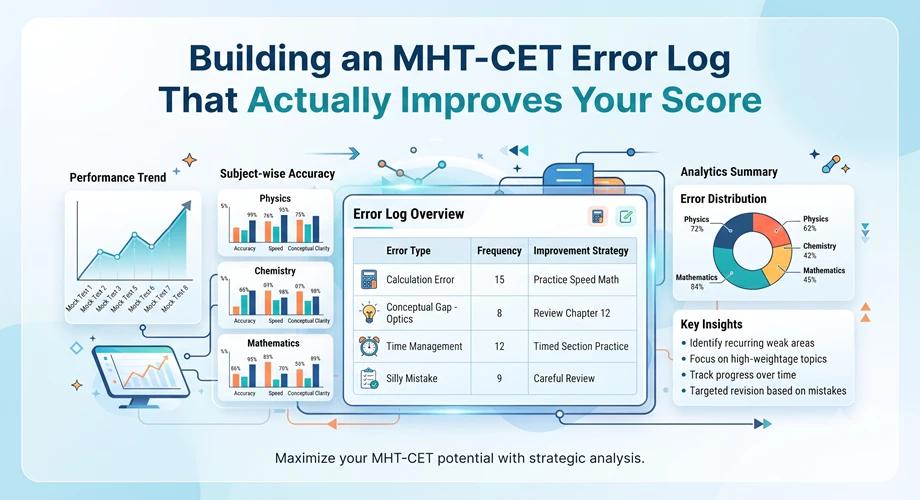
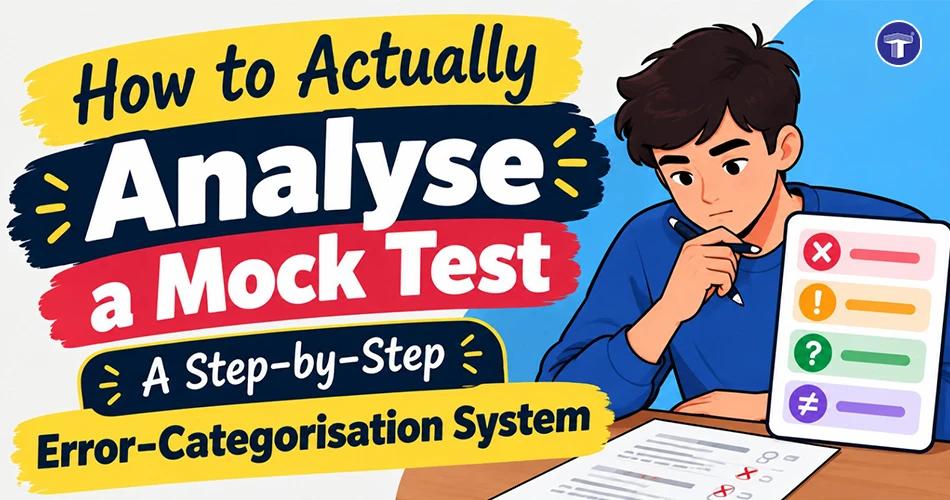
Learn → Practise → Analyse
Trusted Target’s MHT CET books can help you organise your preparation.
Final Thoughts
So, what is the use of the CET exam? For you, it can be an important pathway to professional undergraduate education. In Maharashtra, MHT CET can help eligible students compete for participating Engineering, Pharmacy, Agriculture, and allied programmes.
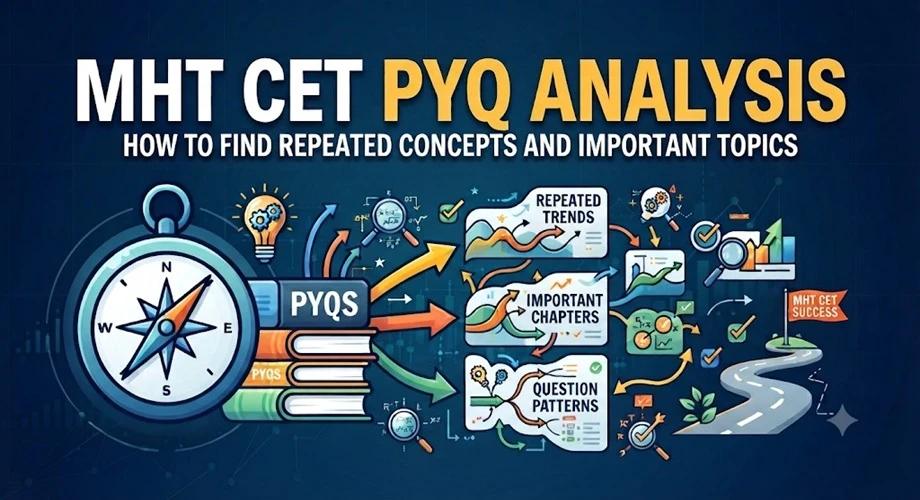
Before choosing CET, identify your target course and colleges and check their admission requirements. Once you decide to take the exam, focus on conceptual clarity, targeted practice, previous years' questions, mock tests, and consistent revision.
Your CET score is not your career but it can help determine the opportunities you get to begin building it.
FAQs
1. Is MHT CET enough for admission to Engineering?
MHT CET is an important entrance route for eligible Engineering admissions in Maharashtra, but admission also depends on eligibility, candidature, merit, and the applicable CAP rules.
2. Can students from outside Maharashtra appear for MHT CET?
Yes. Students from other states can appear, but the admission rules and seat eligibility can differ from those applicable to Maharashtra candidates.
3. Which subjects should I study for MHT CET?
For Engineering, focus on Physics, Chemistry, and Mathematics (PCM). For eligible Pharmacy and Agriculture pathways, Physics, Chemistry, and Biology (PCB) may be required.
4. When should I start preparing for MHT CET?
Ideally, start preparation in Class 11 or early Class 12. Starting early gives you enough time for concepts, practice, revision, and mock tests.
5. Can I prepare for MHT CET along with board exams?
Yes. Since MHT CET preparation overlaps with the Maharashtra State Board syllabus, you can prepare for both by combining concept study with regular MCQ practice.