
In today’s world of constant notifications and endless scrolling, one of the best gifts you can give your baby is your time and attention—no screens needed! Simple, hands-on play helps build their brain, strengthen their tiny muscles, and support emotional growth in the most natural way.
But let’s be honest-parenting can feel overwhelming, with advice coming from every direction. The good news? Your baby doesn’t need fancy toys or expert strategies. What they love most is YOU—your voice, your cuddles, your time!
Let’s dive into 6 simple, enriching, and scientifically backed ways to bond with your baby—with a special focus on one of the most overlooked tools in early development: tummy time.
1. The Magic of Your Voice
Babies are naturally drawn to the sound of their parents' voices—it's comforting and familiar.
Activity: Sing nursery rhymes, hum tunes, or create silly songs. Even if you're off-key, your baby will adore it!
Benefit: Enhances early communication skills and deepens emotional connection.
2. Storytelling & Conversation
Engaging in one-sided conversations might feel odd, but it's laying the foundation for your baby's future speech.
Activity: Describe your surroundings, narrate daily routines, or read books with animated expressions.
Benefit: Promotes language development and encourages attentive listening.
💡Pro Tip: Repetition is key. Reading the same book every night? That’s actually helping build memory and word association.
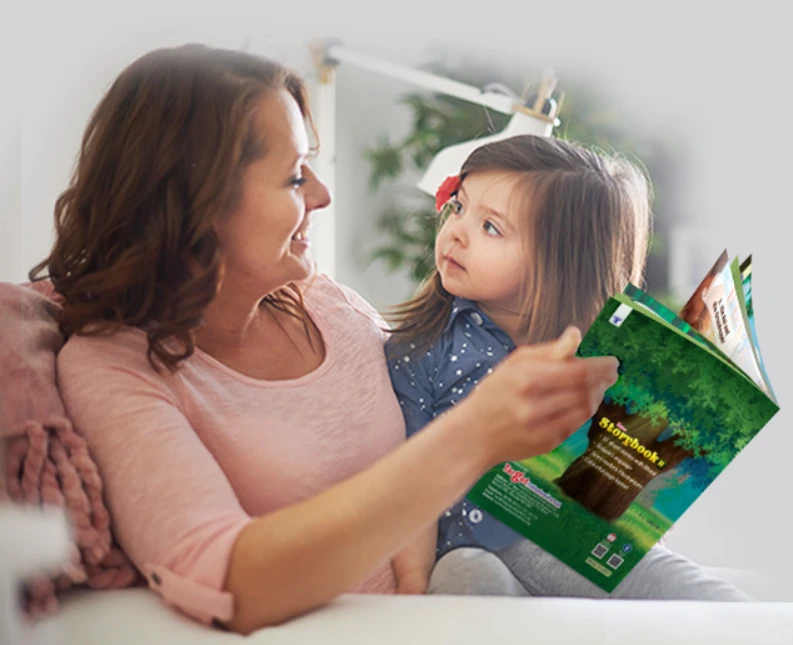 Screen-free storytelling time—nurturing emotional connection and curiosity.
3. Clap, Tap & Mimic
Repetition and rhythm help babies understand patterns and movement.
Activity: Clap your hands, gently tap their fingers, or play mimic games where they copy your movements.
Benefit: Improves hand-eye coordination and fine motor skills.
Try This: Make up a simple clapping rhyme and use it as a daily ritual.
4. Dance & Gentle Movement
Movement soothes babies and aids in developing balance.
Activity: Hold your baby close and sway to music, or gently bounce them in your arms.
Benefit: Encourages sensory processing and strengthens the parent-baby bond.
Science Says: Vestibular stimulation (movement) helps in developing spatial awareness and inner ear balance.
5. Tummy Time
Tummy time isn't just about strengthening muscles—it can be a fun, interactive experience!
Activity: Lay your baby on a soft mat, place colourful toys within reach, and engage them with gentle touch or playful sounds.
Benefit: Builds neck, shoulder, and core strength while preventing flat head syndrome.
💡Pro Tip: We have developed a Tummy Time book just for you.
Struggle Alert: If your baby cries during tummy time, start small—just 2 minutes—and build up.
To help you navigate this, we have developed a Tummy Time book - just for you! This book is made by experts and backed by research — so you know it’s something you can trust. It’s a double-sided book that will keep your baby occupied at tummy time- do they linger a little longer, lift their head a little higher, and have a whole lot more fun while doing it.
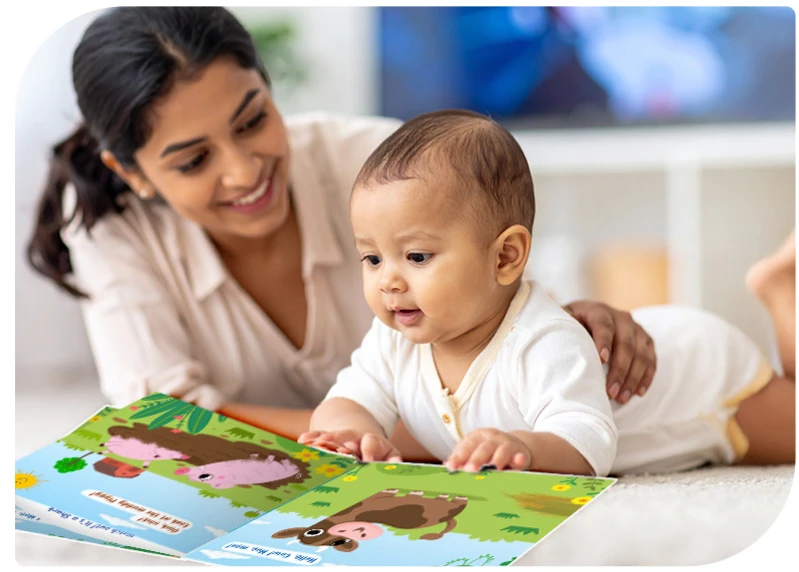 A joyful moment of screen-free bonding—tummy time
6. Nature Exploration
Fresh air and outdoor sights provide endless stimulation.
Activity: Take a walk, let your baby feel different textures like grass or leaves, and point out birds or flowers.
Benefit: Enhances sensory perception and introduces them to the world around them.
Conclusion
If you ever wonder “Am I doing this right?”—you’re not alone. Parenting doesn’t come with a manual—but the right resources can make a huge difference. At Target Publications, we’re not just about books—we’re about building confidence, one parent and one child at a time.
✨ Because parenting doesn’t need to be perfect. It just needs to be present.
💬 Tell us your favourite screen-free bonding moment in the comments. We would love to hear.
Frequently Asked Questions About Tummy Time
1. Can working parents still build meaningful connections without screens?
Ans: Yes. Even 10–15 minutes of focused, screen-free bonding—like singing during bath time or storytelling before bed—makes a huge difference.
2. What if I need to use a screen occasionally to get things done?
Ans: That’s okay! The goal is balance. Use screen-free time for interactive moments, and keep screen time minimal, age-appropriate, and supervised.
3. When should I start tummy time?
Ans: You can start tummy time as early as the first week, once your baby is home and alert. Just keep it short and supervised.
4. How Much Tummy Time is Enough?
Ans: Start with just a few minutes, 2-3 times a day, and gradually increase to at least 60 minutes spread across the day. The key is consistency and making it enjoyable.
5. What are the signs that tummy time is working?
Ans: You’ll notice improved head control, stronger neck and shoulder muscles, and increased time spent on their tummy without fussing.