
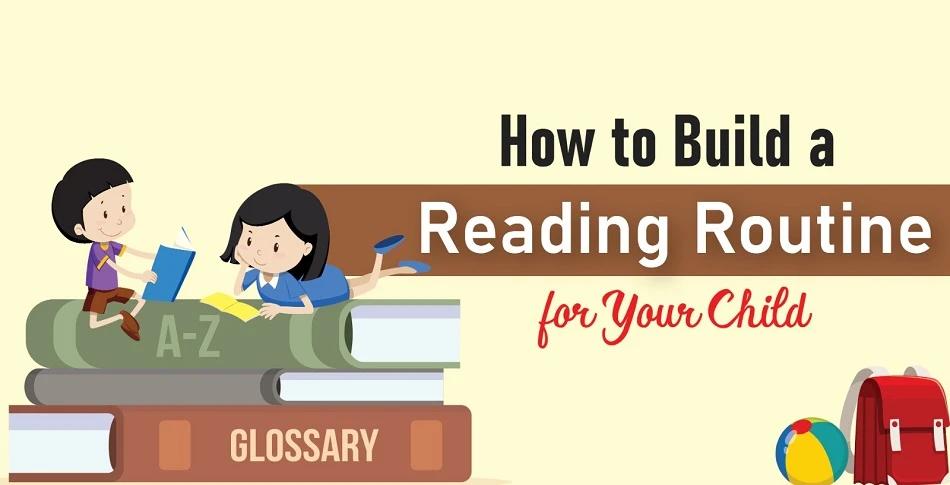
In today’s fast-paced world, bedtime stories often take a backseat. But did you know that reading just 10 minutes a day can make your child a stronger communicator and a lifelong learner?
Most parents want to build a reading habit—but between work calls, errands, and screen time battles, it can feel impossible. The good news? You don’t need an hour—just a moment.
Let us help you create a stress-free reading routine that fits into your busy schedule.
The Science Behind Reading Routines
-
Boosts Brain Development
Reading aloud from a young age is one of the most effective ways to support early brain development. Research confirms that children exposed to regular reading routines develop stronger language skills, improved concentration, and emotional security.
-
Builds Emotional Bonds
Sharing stories creates meaningful interactions, helping kids feel secure and connected. Over time, this connection not only supports emotional development but also encourages open communication as they grow
-
Turns Reading into a Habit
A daily routine, even if short, makes reading second nature—just like brushing teeth! When reading becomes a consistent part of the day, children begin to associate it with comfort, structure, and enjoyment.
Did you know? It takes 21 days to build a habit.
Download our 21 days reading habit tracker to build your reading routine.
7 Practical Tips to Make Reading a Daily Habit
- Set a Fixed Time – Morning snuggles, post-nap, or bedtime? Pick a time that works consistently for you.
- Keep Books Within Reach – It’s a simple but powerful trick. When books are easily accessible—say, in a basket by the sofa or on a shelf near the bed—you’re far more likely to pick one up and read. It subtly nudges both you and your child to make reading a natural part of the day.
- Let Your Child Choose – Whether it's the same book on repeat or something new, choice builds excitement. Keep a close eye on what genre your child is liking, give them some options and let them choose their next book.
- Make It Fun– Change voices, act it out, or add silly sound effects! Ask questions like “What would you do in this situation?” or “How do you think it will end?”
- Ditch the Distractions – No phones or TV during reading time. Keep yourself focused.
- Create a Cozy Reading Nook – A small corner with pillows, a soft toy, and good lighting makes reading feel special.
- Be Flexible – This is the most important one. Some days won’t go as planned—and that’s perfectly okay. Whether it's a skipped reading session or a day filled with chaos, don’t be hard on yourself. What matters is getting back to it the next day. Flexibility is key to building a habit that lasts, not just one that looks perfect.
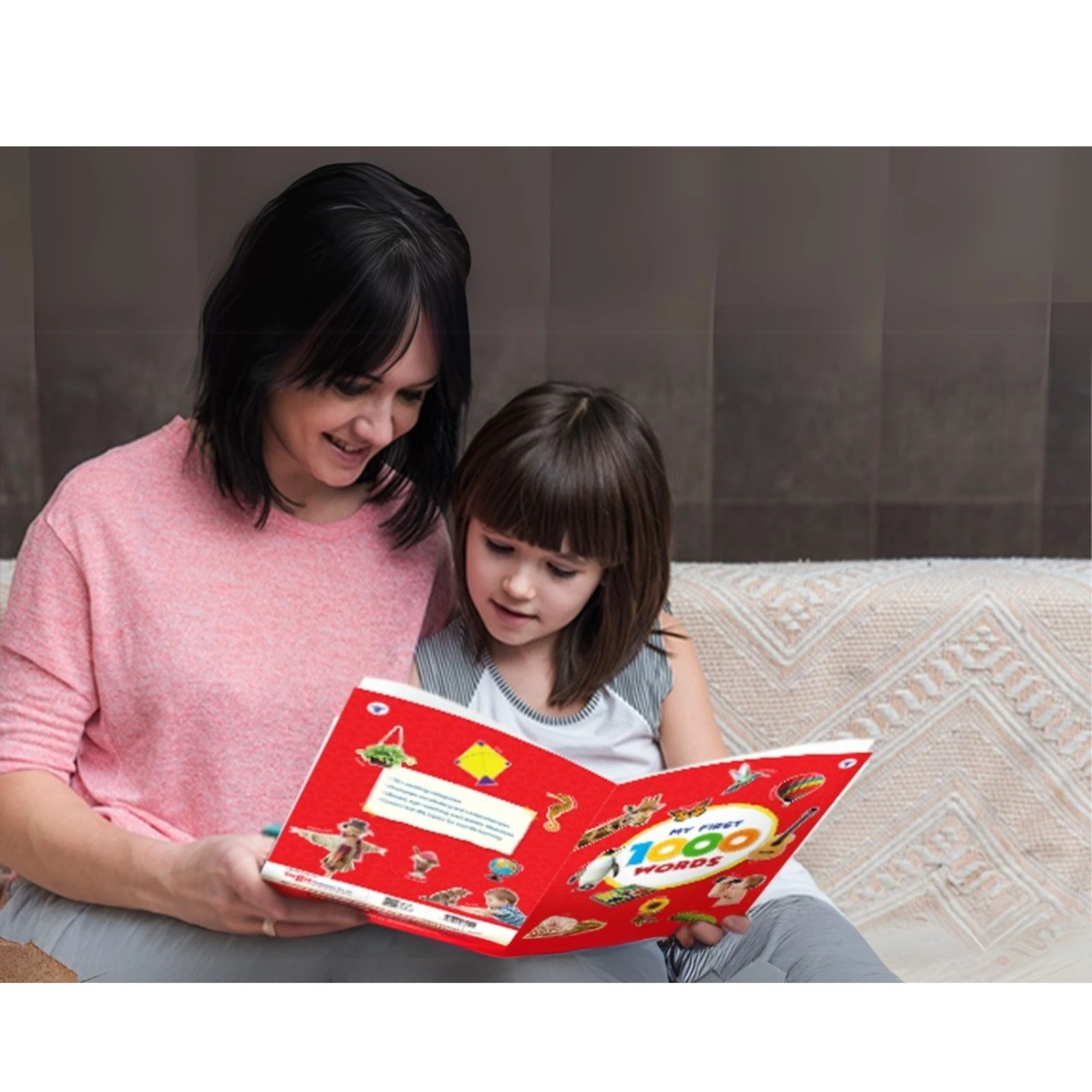 Building a reading habit one picture at a time with 'My First 1000 Words'.
Some Common Challenges that parents have shared with us:
🙄 “My child won’t sit still.”
😴 “I’m too tired at the end of the day.”
📱 “My child prefers screens.”
These are quite common and here’s what we recommend to overcome these challenges smoothly.
- Use interactive books keep sessions short—start with just 5 minutes so that your kid enjoys and stays focused.
- Try morning or weekend reading sessions if you get too tired after work.
- Make reading part of screen-free time and pair it with a fun bedtime ritual.
💡Pro Tip: Try a Sunday reading picnic- outdoors+ books is a perfect mix! We recommend the book My First 1000 Words to start with. It is designed with bright visuals, familiar words, and engaging repetition—perfect for toddlers!
Just remember, Reading isn’t about perfection. It’s about connection; and you are going to ace it with your kid!
Tell us ‘One word your toddler finds difficult to say?’
Comment below— we would love to know your thoughts.
Important Links:
| Visual Learning Method to Build Toddler Vocabulary | Why reading is important for kids? |