

If you want to make a strong NEET 2027 preparation strategy, do not panic or feel pressured. It needs a clear plan that you can follow every week. Two years give enough time to understand concepts, revise NCERT, practise MCQs and build exam confidence.
NEET (UG) is the common entrance test for undergraduate medical education in India. NTA conducts the exam and provides the result and All India Rank.
The latest official NEET (UG) pattern has 180 compulsory questions for 720 marks. Physics has 45 questions. Chemistry has 45 questions, and Biology has 90 questions. The paper has +4 marks for a correct answer and -1 mark for a wrong answer.
Is 2 Years Enough for NEET?
Yes, this question has a positive answer if you use the time properly. The first year should build Class 11 concepts. The second year should cover Class 12 topics with regular Class 11 revision.
A good NEET study plan for 2 year preparation should not only cover the syllabus. It should also improve speed, accuracy and memory. NEET gives 180 minutes for 180 questions, so you need regular practice in exam-like conditions.
The best way to handle NEET preparation in 2 year is to divide it into stages. First, learn the chapter and then practise the questions. After that, revise mistakes. This simple cycle should continue until the final exam.
NEET 2027 Complete Roadmap
A useful NEET 2027 complete roadmap can be divided into four phases.
You should focus on Class 11 basics in Phase 1. Physics demands strong problem-solving habits. Chemistry needs clear concepts. Biology needs careful NCERT reading.
Start Class 12 topics and keep revising Class 11 every week in Phase 2. This helps finish the current chapters without forgetting the old ones.
In Phase 3, you should solve chapter-wise MCQs and previous year papers. NEET PYQ guide suggests solving papers within a time limit, tracking scores, reviewing mistakes and working on weak areas after each attempt.
In Phase 4, you should move to full mock tests, revision notes and error analysis. This is the final stage of a practical 2 year strategy for NEET.
How to Prepare for NEET 2027
You need to start with the latest official syllabus because the NEET (UG) 2027 isn’t out yet. Hence, you are bound to use the latest NEET (UG) syllabus and check NTA updates. As per NMC’s 2026 notice, the syllabus supports preparation for the 2026-27 academic session.
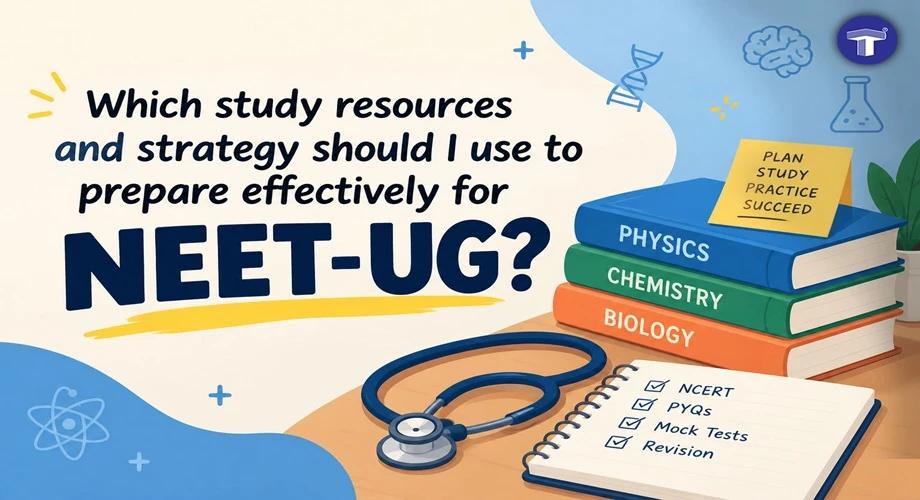
A smart NEET 2027 preparation plan should include five things:
- Syllabus coverage
- NCERT reading
- MCQ practice
- Mock tests
- Mistake correction
If any one part is missing, preparation becomes weak. Also, avoid changing plans too often. One steady plan followed for months is better than a new timetable every week.
NEET 2027 Study Plan for Class 11 and Class 12
The NEET 2027 study plan should give steady time to all three subjects. Biology carries the highest marks. However, Physics and Chemistry together carry half of the paper. A student who ignores Physics or Chemistry may struggle to get a strong rank.
In Class 11, you should study concepts slowly and carefully. Don’t rush into difficult questions before understanding the chapter. In Class 12, you should revise Class 11 topics every week while learning new chapters.
Students starting NEET 2027 preparation from zero should follow a simple order. Read the chapter and understand the concept. Study the NCERT and then solve basic questions. Then move to NEET-level MCQs.
Best Timetable for NEET 2027
The best timetable for NEET 2027 is not the longest timetable. It is the timetable a student can follow without burning out. A school-going student can begin with 4 to 5 focused hours outside school. During holidays, this time can increase.
A balanced NEET 2027 study schedule can include Biology revision in the morning, Physics numericals during the most focused study slot and Chemistry practice later in the day. One weekly slot should be kept for backlog clearing.
You should also practise offline tests because NEET is a pen-and-paper exam. Online tests are useful for practice, but OMR-style practice helps you prepare for the real exam setting.
NEET 2027 Self Study Plan
A NEET 2027 self study plan can work well if you are honest about your progress. Coaching can help with structure, but self-study students can also perform well with the right routine and resources.
Self-study students should keep one main book set, besides one test source and one error notebook. They should not keep switching between many teachers, apps and notes. Too many sources create confusion and delay revision.
For app-based practice, you can use the best app for NEET (UG) preparation: Tayari App by Target.
Best Books for NEET 2027 Preparation
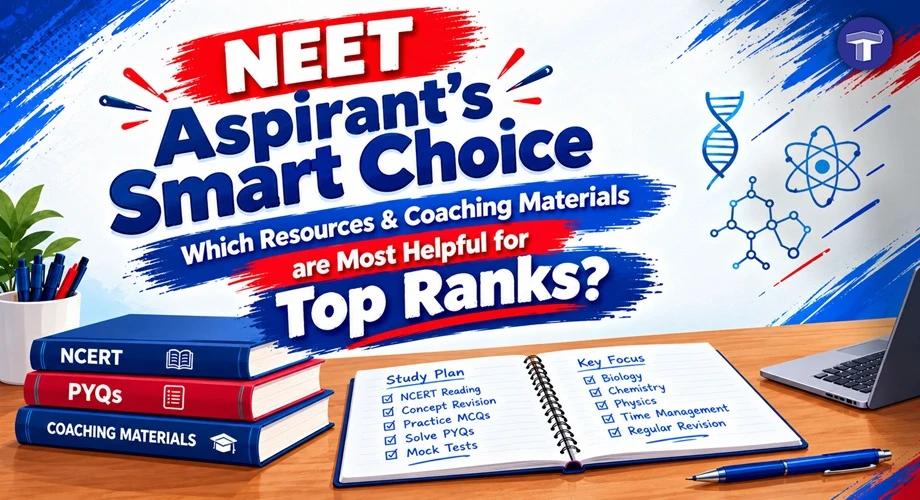
The best books for NEET 2027 preparation should help you learn concepts and practise questions. NCERT should remain the base, especially for Biology and Inorganic Chemistry.
After NCERT, you can use one good practice book for each subject. They should also use a PYQ or mock test book. Focus on reading NEET preparation books and PYQ books for Physics, Chemistry and Biology.
You can check the best books for NEET 2027 preparation for subject-wise practice. The goal is not to collect many books, but to complete the right books properly.
NEET 2027 Revision Strategy
A good NEET 2027 revision strategy should start early. You should not wait for the syllabus to end before revising. A chapter should be revised within 24 hours, again after one week and then during monthly tests.
Biology needs repeated NCERT reading. Physics needs formula revision and numerical practice. Physical Chemistry needs formulas and calculations. Organic Chemistry needs reaction logic. Inorganic Chemistry needs NCERT lines and examples.
Keep an error notebook. Write the chapter name, mistake type, correct idea and next revision date. This makes revision sharper and helps you avoid the same mistakes again.
NEET 2027 Mock Test Strategy
The NEET 2027 mock test strategy should grow with preparation. In Class 11, you can take chapter-wise tests. In Class 12, you can add subject tests and mixed tests. In the final months, full mock tests should become regular.
Students asking how to crack NEET 2027 should remember one thing. A mock test is useful only when it is analysed. Marks show the result. Analysis shows the reason behind the result.
After every mock test, check wrong answers, guessed answers and slow questions. This helps you find weak chapters before the final exam. Target’s PYQ guide also recommends reviewing mistakes and working on weak areas after each attempt.
NEET 2027 Preparation Tips
The best NEET 2027 preparation tips are simple. Follow the official syllabus. Keep NCERT as the base and practise MCQs daily. Revise every week and take tests regularly. Analyse mistakes after every test.
You should also protect sleep and health. NEET preparation is long, so extreme study for a few days will not help much. A steady routine gives better results because it keeps the mind fresh and the memory active.
Final Advice
A clear NEET 2027 preparation strategy gives you enough time to learn, revise and improve. The best NEET 2027 preparation plan is not the most difficult plan. It is the plan you can follow every week with patience, correction and consistency.
FAQs
1. Can an average student crack NEET 2027 on the first attempt?
Ans: Yes. An average student can crack NEET 2027 on the first attempt with regular study and honest revision. The student should focus on NCERT, MCQ practice, mock tests and mistake analysis instead of comparing daily progress with others.
2. Is coaching necessary for NEET 2027 preparation?
Ans: Coaching is not compulsory. It can help with structure and regular testing, but self-study can also work. You need the official syllabus, good books, doubt support, mock tests and a clear weekly routine.
3. How should I divide time between Physics, Chemistry and Biology?
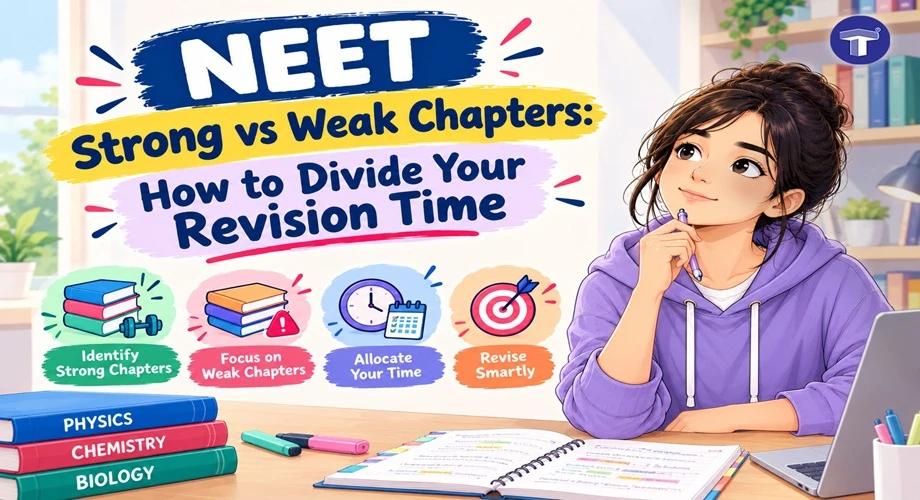
Ans: Biology needs frequent revision because it carries 90 questions. Physics needs daily numerical practice. Chemistry should be divided between Physical, Organic and Inorganic Chemistry. Weak subjects should get extra time without ignoring stronger subjects.
4. Which NCERT chapters are most important for NEET?
Ans: There is no official fixed list of the most important NCERT chapters for NEET. You should complete the full syllabus first. Previous year paper analysis can help decide revision priority, but skipping chapters can be risky.
5. What mistakes should NEET aspirants avoid?
Ans: Avoid too many books, late revision, poor NCERT reading and skipped mock test analysis. They should also avoid studying only high-weightage chapters because NEET questions can test any listed syllabus topic.
6. Which subject takes the most preparation time in NEET?
Ans: Physics usually takes more time for many students because it needs concepts, formulas and numerical speed. Biology needs repeated reading. Chemistry needs steady practice across theory, reactions and calculations.