
HSC Chemistry may feel difficult because it combines calculations, reactions, concepts, formulae and theory. One chapter may require numerical practice, while another may need you to remember reaction conditions or explain chemical properties.
The solution is not to study every chapter in the same way. A good HSC Chemistry preparation strategy should treat Physical, Inorganic and Organic Chemistry differently while keeping textbook study, writing practice and revision connected.
This blog will help you create a practical HSC Chemistry study plan and prepare every part of the subject more effectively. For a complete board preparation view, read Maharashtra State Board HSC 2027 complete guide along with this Chemistry strategy.
Understand the Three Parts of HSC Chemistry
The Maharashtra Board Class 12 Chemistry textbook presents Physical, Inorganic and Organic Chemistry as major parts of the subject. Each part needs a different preparation method.
| Chemistry Branch | Main Preparation Focus |
| Physical Chemistry | Formulae, concepts, graphs, units and numericals |
| Inorganic Chemistry | Properties, trends, reactions, compounds and exceptions |
| Organic Chemistry | Reaction pathways, conversions, reagents, conditions and mechanisms |
Do not spend all your time reading theory. Your routine should include numerical practice, reaction writing, concept revision and board-style questions.
Before dividing Physical, Inorganic and Organic Chemistry, check Maharashtra Std. 12 HSC Science syllabus 2026 overview to understand the full Science subject structure.
Build Your Preparation Around the Textbook
If you’re cherishing the best HSC chemistry preparation tips, begin every chapter with the prescribed Balbharati textbook. Read the concepts carefully and understand the meaning of important terms before using additional notes.
Do not skip solved examples, tables, diagrams, chemical equations or activities. These parts help you connect the explanation with its application. After reading a topic, close the book and explain it in your own words. This will show whether you understood it or only read it.
Once the textbook foundation is clear, use HSC Chemistry notes, question banks and previous years’ papers to strengthen practice. Resources such as Std. 12 Science Chemistry Vol. 1 Perfect 2.0 Notes can help you revise textbook-based answers, numericals, topic tests and tagged PYQs in a more organised way.
How to Study Physical Chemistry
Physical Chemistry requires both understanding and calculation. Memorising formulae without knowing when to apply them can lead to mistakes.
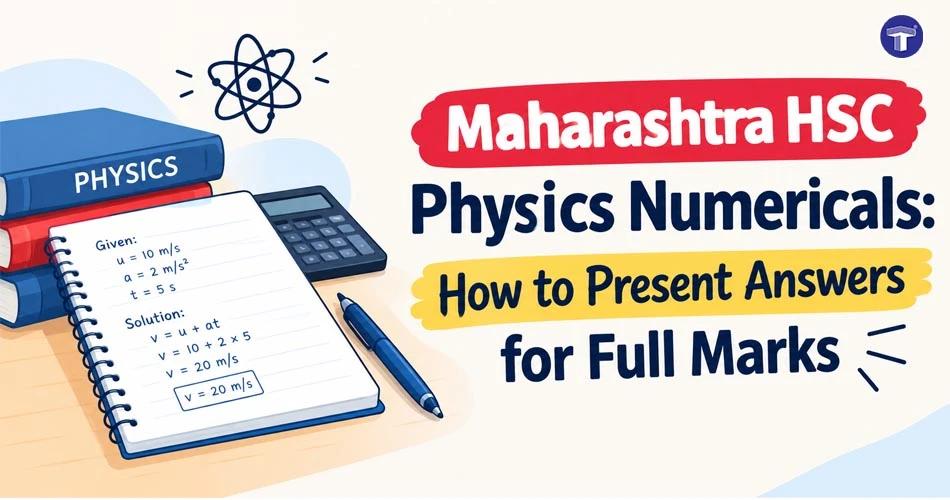
While doing Class 12 Chemistry preparation, for every formula, learn the meaning of each symbol, required units and conditions of application. While solving a numerical, write the given values, formula, substitution, calculation and final answer with the correct unit.
Maintain a separate formula sheet and revise it regularly. Start with textbook examples before moving to mixed or difficult numericals. If you solve a question incorrectly, identify whether the mistake came from the concept, formula, unit conversion or calculation.
For formulae, units, solved textbook questions and numerical practice, Std. 12 Chemistry Vol. 1 and 2 Precise Notes can support regular revision.
How to Study Inorganic Chemistry
Inorganic Chemistry may appear memory-based, but understanding trends and relationships makes it easier to retain.
Prepare short comparison tables for properties, compounds and reactions. Group related information instead of memorising isolated lines. While learning a reaction, note the reactants, products, required conditions and any visible observation.
Revise exceptions separately because they are often forgotten. However, avoid filling your notebook with every textbook sentence. Your short notes should contain only essential trends, equations, properties and confusing points.
How to Study Organic Chemistry
Organic Chemistry becomes easier when you understand how one compound changes into another. Do not treat every reaction as an unrelated equation.
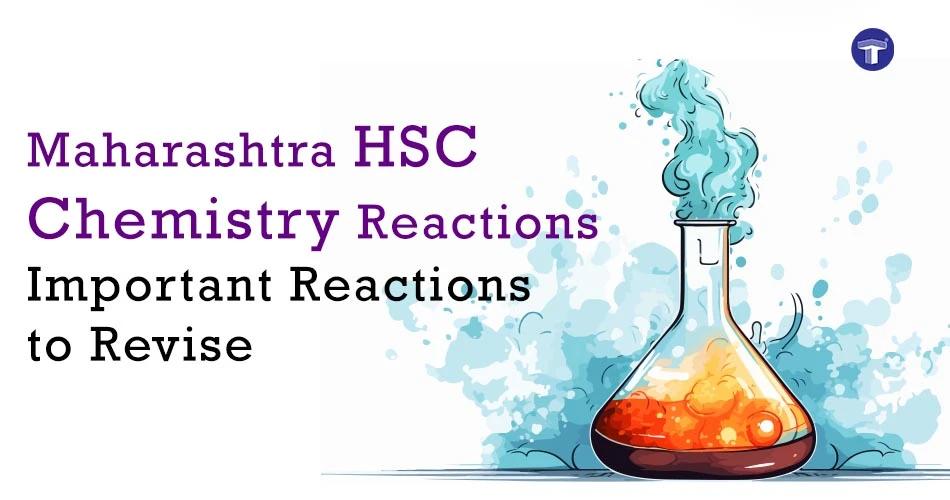
Create reaction maps showing the starting compound, reagent, condition and final product. Revise functional groups and basic naming before studying lengthy conversions. When you learn a named reaction or conversion, write it independently instead of only reading it.
Keep one notebook for reaction charts and commonly confused reagents. Revise these charts repeatedly rather than memorising all reactions just before the examination.
After revising Organic Chemistry reactions and conversions, solve questions from Std 12 Science HSC Previous Year Board Questions to understand commonly tested formats. You can then use Model Question Papers With Solutions to practise complete answers and improve your board-exam approach.
Make Useful HSC Chemistry Notes
Your HSC Chemistry study notes should make revision faster. They should not become a complete copy of the textbook.
Use one-page chapter summaries wherever possible. Add mistakes from tests to the same notes so that you remember what needs extra attention during the next HSC chemistry revision.
Follow a Weekly HSC Chemistry Study Plan
You do not need to study Chemistry for several hours every day. Adjust the routine according to your college schedule, but avoid leaving long gaps between study sessions. Chemistry Class 12 preparation tips include revisiting each completed chapter within a day, again at the end of the week and once more after a few weeks.
After completing several chapters, solve mixed questions to improve concept selection. Students preparing for entrance exams can also include MHT CET Chemistry practice, using MHT-CET Triumph Chemistry notes alongside their regular HSC preparation.
Key Takeaways
Previous years’ papers can help you understand common question formats, improve speed and identify areas that need more revision. Begin with chapter-wise questions while completing the syllabus, then attempt full papers under timed conditions after your first revision.
Use an HSC Science Chemistry question paper to understand recent board-paper style, but do not depend only on repeated questions. Complete the full prescribed syllabus because previous papers cannot predict the exact questions in the examination.
Important Links
| Last 5 Years’ 12th Maharashtra Science Board Papers PDF Download | Maharashtra State Board Books For 12th Science: Perfect, Precise, and Focus |
FAQs
1. Which reference books are most useful for Maharashtra HSC Chemistry preparation?
Ans: Begin with the prescribed Balbharati Chemistry textbook. For additional preparation, you can use Target Publications’ Std. 12 Chemistry notes, chapter-wise question banks, solved examples and previous years’ HSC papers. Choose one suitable reference resource and complete it properly instead of collecting too many books.
2. How can students memorize chemical reactions more effectively?
Ans: Understand the conversion before memorising the equation. Create reaction maps containing the reactant, reagent, condition and product. Write reactions repeatedly and revise them in small groups. Comparing similar reactions also helps reduce confusion.
3. How can students improve accuracy while solving Chemistry numericals?
Ans: Write the given data first, select the correct formula and convert values into suitable units before substitution. Show every step and check the final unit. Maintain a mistake notebook for formula, calculation and unit-conversion errors.
4. How often should students revise completed Chemistry chapters?
Ans: Revise a chapter within a day of studying it, again at the end of the week and once more after a few weeks. Later revisions can be completed using short notes, reaction charts, formula sheets and practice questions.
5. Can students score well in HSC Chemistry through self-study alone?
Ans: Yes, self-study can work well when you follow the textbook, maintain regular practice and clear doubts on time. Coaching may provide extra guidance, but it cannot replace independent revision, numerical solving and reaction practice.